 Orcas Island Siding
 Doe Bay Windows Take a Different Kind of Beating
Doe Bay sits on the exposed east side of Orcas Island, and homes out here deal with a specific combination of weather that inland San Juan County properties never see: salt-laden air off the water, wind-driven rain that hits window frames sideways instead of straight down, and a long, damp moss season that can stretch from fall through spring. None of that is dramatic on its own. What it does, quietly, over years, is find every weak point in a window installation — a gap in the flashing, a cracked bead of caulk, a sill that was never properly sloped to shed water — and turn it into a slow leak, a rotted jamb, or a window that fogs between the panes because the seal finally gave out.
Window replacement in a place like this isn't just a cosmetic upgrade. It's weatherproofing work first, and looks second. A window that's beautiful but installed without attention to how water moves around it will fail here faster than almost anywhere else on the island, because Doe Bay gets more direct weather exposure than the more sheltered west-side communities.
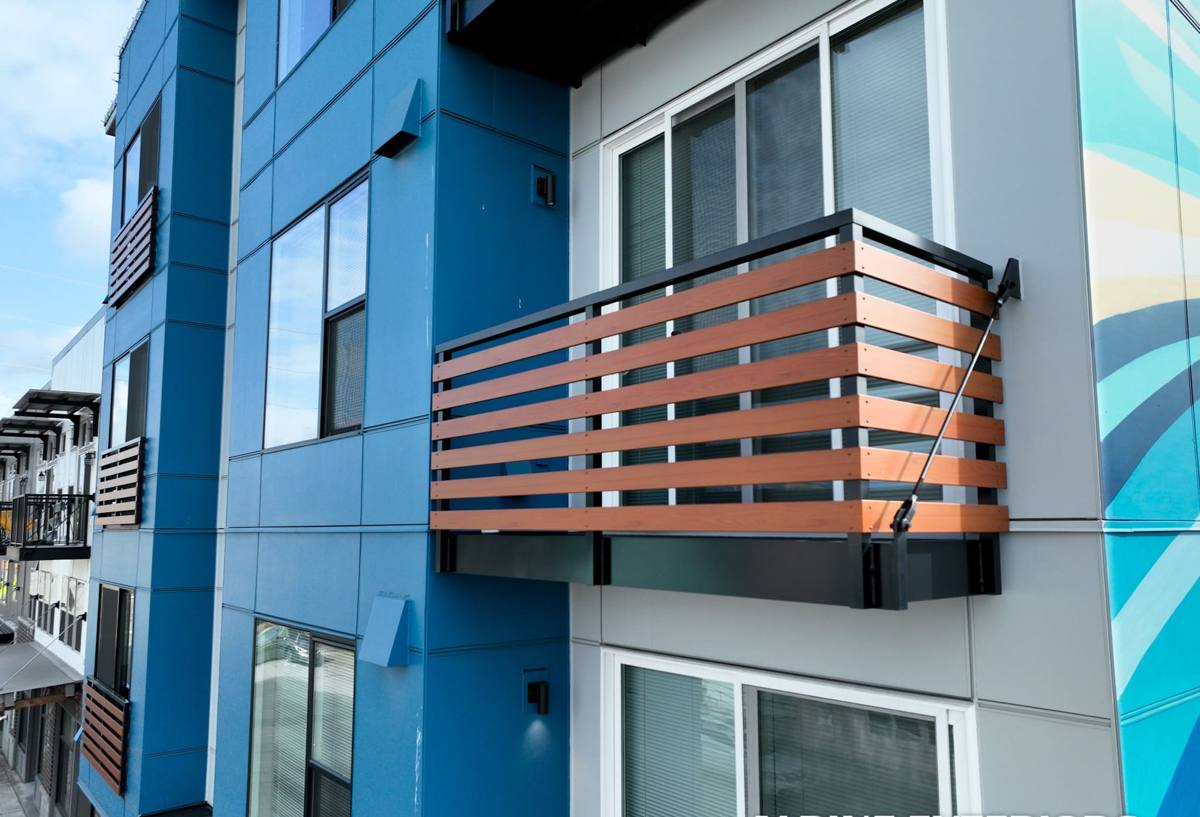
Signs a Window Needs Replacing, Not Patching
Caulking a gap or replacing a sash can buy a little time, but it doesn't fix an underlying installation or material problem. Here's what tells us a window has actually reached the end of its useful life rather than just needing a touch-up:
- Fogging or a permanent haze between the panes — the seal has failed and the gas fill is gone; this can't be repaired, only replaced
- Soft, spongy, or discolored wood at the sill or lower corners of the frame — a sign moisture has been getting behind the trim
- Windows that are hard to open, close, or lock — frames swell and warp once they've absorbed water
- Visible daylight or a noticeable draft around the frame when the wind is up
- Peeling paint or finish concentrated only around the window, not the rest of the wall — usually a moisture signature, not a paint failure
- A musty smell or slight staining on interior trim or drywall near the window
- Single-pane glass in a part of the house you actually heat and use — common in older Doe Bay cabins that started as seasonal structures
If you're only seeing one or two of these and the frame itself is sound, targeted repair may still make sense. Once wood rot or seal failure shows up in more than one spot, replacement is almost always the more honest recommendation — patch jobs on a failing window just delay the same expense while the surrounding wall keeps absorbing moisture.
What a Correct Installation Actually Involves
It's Mostly About Water, Not the Window Itself
Most window failures we see out here aren't a bad window — they're a bad installation around a perfectly fine window. The frame is only one piece of a system that has to manage water: flashing tape, a sloped sill pan, properly lapped house wrap, and sealant placed so water is directed out and down, never trapped behind the trim. Skip any one of those steps and driving rain will eventually find its way in, no matter how good the window itself is.
Our Standard, Every Time
- Remove the old unit and inspect the rough opening for hidden rot or water damage before anything new goes in
- Repair or rebuild any compromised framing — installing a new window into a soft opening just hides the problem
- Install a sloped sill pan so any water that gets past the glass drains back outside instead of pooling
- Flash the opening with proper lapping — top piece over the sides, sides over the sill pan — so water always sheds downward and outward
- Set the window plumb, level, and square, and shim it correctly so it operates smoothly for years, not just on install day
- Seal and insulate the gap around the frame with a compatible sealant and low-expansion foam, not just caulk over a wide gap
- Finish trim and exterior detailing so the whole assembly sheds water instead of collecting it
This is the same standard we hold for siding work, because windows and siding are really one weatherproofing system. A window installed without regard for how the surrounding siding and house wrap are integrated is a leak waiting to happen, and it's a big reason we treat window replacement as part of the exterior envelope, not a standalone carpentry task.
Choosing Materials for Salt Air and Constant Moisture
Every window material handles the Doe Bay climate differently. There's no single "best" option — it depends on your home, your budget, and how much upkeep you want to take on.
| Material | How It Handles Salt Air & Moisture | Maintenance | Honest Trade-Off |
|---|---|---|---|
| Vinyl | Good — won't rot or corrode; UV exposure can cause slow fading over many years | Low — occasional rinse to clear salt residue | Fewer high-end color and profile options than wood or fiberglass |
| Fiberglass | Very good — dimensionally stable, resists warping from repeated wet/dry cycles | Low | Higher upfront cost than vinyl |
| Wood | Poor without diligent upkeep — end grain and joints are vulnerable to the moisture load out here | High — regular repainting or refinishing, more often near the water | Best natural look, but the maintenance burden is real and unforgiving if skipped |
| Aluminum-clad wood | Good exterior protection with wood warmth inside; cladding shields the wood from direct weather | Moderate — watch seams and cladding joints for water intrusion over time | Cladding failure at seams can trap moisture against the wood if not caught early |
For most Doe Bay homes, we steer clients toward vinyl or fiberglass for anything facing the water or prevailing weather, and reserve solid wood for sheltered elevations where someone is genuinely committed to the upkeep. That's a maintenance and moisture-behavior judgment, not a knock on wood windows in general — they're a fine product in the right location and with the right owner.
Glass and Glazing Choices That Matter Here
Beyond the frame material, a few glazing decisions make a real difference on the water side of the island:
- Low-E coatings cut glare off open water and reduce heat loss in winter — worth having on any window with a water view
- Argon-filled double or triple pane glass improves insulation, which matters if the home is heated with propane or a wood stove rather than cheap grid power
- Impact-rated or laminated glass can add durability in the most wind-exposed spots, though it's not necessary on every window in the house — we'll tell you honestly where it's worth the added cost and where it isn't
How the Project Actually Runs
Assessment and Measurement
We start with an on-site walkthrough of every window being considered, checking the condition of the framing and siding around each opening, not just the glass. That tells us whether we're looking at a straightforward swap or whether there's rot repair to price in.
Ordering and Lead Time
Because Doe Bay is on the east side of the island and materials generally move through the ferry system, we build realistic lead times into the schedule from the start. Custom-sized windows especially need to be ordered early — we'd rather set an honest timeline up front than have a job stall waiting on a shipment.
Install Day
We work one window opening at a time so your home is never sitting open to the weather. Old units come out, framing gets inspected and repaired as needed, and the new window goes in following the flashing and sealing sequence described above. We keep an eye on the forecast and won't open up a wall ahead of incoming rain.
Cleanup and Walkthrough
Once installed, we walk through operation, locking, and finish with you, and clean up debris and packaging before we leave.
Why an Island-Experienced Crew Matters Here
Window replacement in Doe Bay isn't the same job as window replacement in a sheltered inland neighborhood. A crew that only works in drier, less exposed conditions can install a window correctly by the book and still miss the extra flashing detail or sealant choice that this specific climate demands. Working across Orcas Island and San Juan County regularly means we've seen how salt air, moss, and driving rain actually behave on real homes over multiple seasons — not just on installation day, but years later when a corner-cut installation finally fails.
There's also the practical side: knowing ferry schedules, realistic material lead times, and how to sequence a project around weather windows instead of fighting them. That planning is part of what keeps a Doe Bay project on schedule and keeps your home protected while the work is underway.
What Drives the Cost
| Factor | Why It Matters |
|---|---|
| Frame material and glazing package | Vinyl is generally the most affordable; fiberglass and clad-wood cost more upfront but can mean less upkeep |
| Condition of the existing rough opening | Hidden rot or water damage found during removal adds repair work before the new window can go in |
| Number and size of openings | Larger or custom-shaped windows cost more to manufacture and install than standard sizes |
| Access and site conditions | Upper-story or hard-to-reach windows take more time and equipment |
| Trim and finish work | Matching existing exterior trim or siding detail adds labor beyond the window unit itself |
We won't quote a number without seeing the actual openings, but we'll give you a clear, itemized estimate that separates the window cost from labor and any framing repair, so you know exactly what you're paying for and why.
Keeping New Windows Performing Long-Term
A correctly installed window still benefits from basic upkeep in this climate:
- Rinse salt residue off frames and hardware periodically, especially on water-facing sides
- Check and touch up exterior caulk lines annually, since UV and moisture cycling will eventually break down any sealant
- Keep gutters and downspouts clear so water isn't sheeting down over window heads
- Clear moss and organic debris from sills and nearby trim before it holds moisture against the frame
- Operate locks and hardware a few times through the winter so mechanisms don't seize from disuse in a rarely-used vacation home
If your Doe Bay windows are fogging, drafty, sticking, or just original to a home that's due for an upgrade, we're glad to take a look and give you a straightforward, no-pressure estimate — use the form below to get started.