 Orcas Island Siding
 Board & Batten on the Southeast Shore of Orcas Island
Obstruction Pass sits on the exposed southeast side of Orcas Island, where homes take a steady mix of salt-laden wind off the water, long stretches of driving rain through the fall and winter, and the deep shade that lets moss and algae take hold on anything that stays damp too long. Board and batten siding — with its clean vertical lines and strong shadow reveal — has become a popular look for both new builds and remodels out here, and it happens to be a style that holds up well to this climate when the underlying material and installation are right. The look is only half the equation, though. What's under the board and batten pattern, and how it's flashed and fastened, decides whether a home looks good for five years or for thirty.
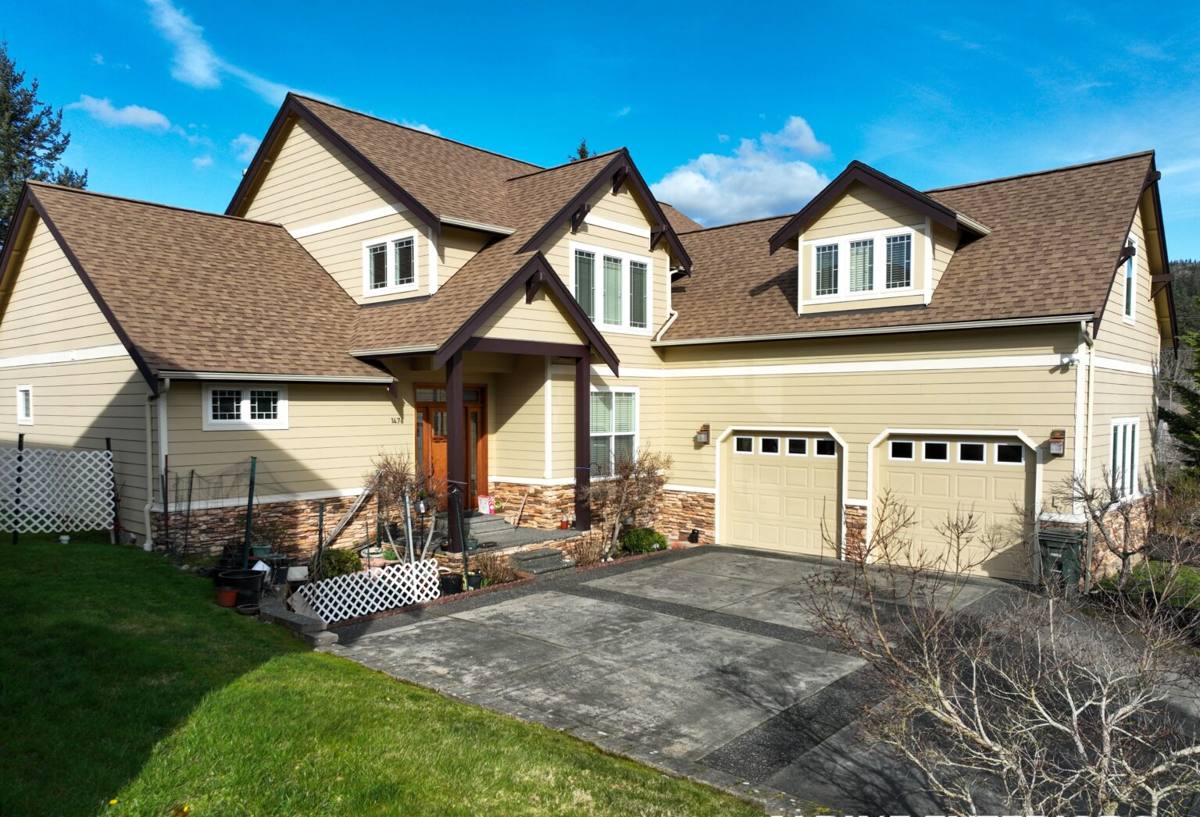
What San Juan County's Climate Actually Does to Siding
Board and batten siding creates more vertical seams and more exposed edges per square foot than a standard lap pattern. That's part of its visual appeal, but it also means more places for water to find a way in if the product or the install is wrong. In and around Obstruction Pass, three conditions do most of the damage over time:
- Salt air: Airborne salt from the surrounding waters accelerates corrosion on fasteners, trim flashing, and any metal components, and it degrades paint and finish coatings faster than an inland climate would.
- Driving rain: Wind-driven rain doesn't just fall on a wall — it's pushed sideways into seams, laps, and butt joints. Battens and panel edges need real flashing detail behind them, not just caulk, or water works its way in over a season or two.
- Moss and algae season: Shaded, north-facing, and tree-lined walls on Orcas Island stay damp for extended stretches, especially fall through spring. Siding that absorbs moisture rather than shedding it becomes a growth surface, and that moisture cycling — wet, dry, wet again — is what breaks down wood-based and composite products over time.
None of this means board and batten is a bad choice for this area. It means the material and the detailing have to be matched to what the site actually experiences, not just picked for the look in a catalog photo.
What a Correct Board & Batten Install Actually Involves
The System, Not Just the Boards
Board and batten isn't a single product — it's an assembly: a base panel or lapped substrate, vertical battens fastened over the seams, flashing and water-resistive barrier behind all of it, and a finish coat on top. Every one of those layers has to work together. A beautiful batten pattern over poorly flashed seams is a problem waiting for the first real storm off the water.
Where Installs Go Wrong
The most common failure points we see (and correct for) on Orcas Island homes are:
- Battens face-nailed directly through the panel without accounting for expansion and contraction, leading to cracked caulk lines and open seams within a few seasons.
- Missing or undersized flashing at window and door heads, letting wind-driven rain track behind the siding at exactly the openings most exposed to weather.
- Panels installed tight to grade or deck surfaces with no drainage gap, which traps moisture at the bottom courses — often the first place we find rot on an older home.
- Butt joints caulked instead of properly flashed or backed, which looks fine on install day and fails quietly over a wet winter.
Why We Install Only James Hardie for This Style
We standardized on James Hardie fiber cement for every siding job we take on, including board and batten, and we don't install LP SmartSide, vinyl, Cemplank, Allura, primed spruce, or cedar. That's not a marketing position — it's a decision based on what holds up on this coastline without turning into a maintenance project for the homeowner.
Non-Combustible, Not Wood-Based
Hardie's fiber cement doesn't absorb and release moisture the way wood-based products do, which matters directly in a climate with a long damp season. It's also non-combustible, which is a real consideration for coastal and wooded properties on Orcas Island where wildfire risk and insurance underwriting both factor into exterior material choices.
Factory Finish, Not Field Paint
Hardie's ColorPlus finish is baked on at the factory under controlled conditions, not brushed or sprayed on-site where wind, humidity, and salt spray can all affect cure quality. That factory finish is engineered to resist fading and holds up to UV and salt exposure far better than a field-applied coat, which is one of the biggest long-term maintenance differences between Hardie and primed wood or spruce products that need to be painted and repainted on a schedule.
Built for This Kind of Coastline
Hardie's HZ5 product line is engineered specifically for climates with freeze-thaw cycling and higher moisture exposure — the Pacific Northwest coastal profile fits squarely in that category. Combined with a strong transferable warranty, it gives Obstruction Pass homeowners a board and batten look that doesn't depend on the next owner keeping up a paint schedule to protect the substrate underneath.
Board & Batten Material Comparison
| Factor | James Hardie Fiber Cement | Wood / Primed Spruce / Cedar | Vinyl |
|---|---|---|---|
| Moisture behavior in wet climates | Doesn't absorb/swell; engineered for coastal moisture cycling | Absorbs moisture, prone to rot and warping over time | Doesn't rot, but can warp or crack in temperature swings |
| Finish durability | Factory-baked ColorPlus finish, long fade resistance | Field-applied paint, needs repainting on a maintenance cycle | Color molded in, but can fade and chalk over time |
| Combustibility | Non-combustible | Combustible | Combustible, can deform under heat |
| Moss/algae resistance in shaded areas | Cementitious surface resists organic growth better than wood | Prone to moss and mildew in persistent shade/damp | Can trap moisture behind panels, promoting growth underneath |
| Warranty structure | Strong transferable manufacturer warranty | Varies, often limited on finish only | Varies by manufacturer, often prorated |
Our Process for Obstruction Pass Jobs
Site Assessment First
Every Obstruction Pass property has its own exposure profile — how close to the water, how much tree cover, which walls take the brunt of the driving rain, and how much shade drives the moss problem. We walk the exterior before quoting anything, because the flashing detail and drainage plan for a wide-open, water-facing wall is different from a shaded, tree-lined one, even on the same house.
Prep and Water Management
Board and batten only performs as well as what's behind it. We install a proper water-resistive barrier, flash every window and door opening, and build in drainage gaps at the base of the wall and at horizontal transitions — the details that don't show up in photos but determine whether the wall stays dry for decades.
Installation to Hardie Spec
We install board and batten to James Hardie's published fastening, clearance, and gap specifications — not shortcuts that speed up the job but compromise the warranty or the wall's long-term performance. That includes correct fastener spacing, proper caulking at battens (not as a substitute for flashing, but as a supplement to it), and clearance from grade, decks, and roof lines.
Local Logistics
Working on Orcas Island means factoring in ferry schedules and material staging that mainland contractors often don't plan around well. We schedule material delivery and crew logistics to avoid the stop-and-start delays that stretch a project out and leave a home's sheathing exposed to the weather longer than it needs to be.
What Homeowners Can Do Between Service Visits
Board and batten Hardie siding is low-maintenance, not no-maintenance. A short seasonal checklist keeps it performing the way it's designed to:
- Rinse siding annually (a garden hose is enough) to clear salt residue and organic buildup before it sets into the surface, especially on shaded or water-facing walls.
- Walk the exterior after major storms and check caulk lines at battens, window trim, and butt joints for cracking or separation.
- Keep gutters and downspouts clear so water isn't sheeting down wall faces or pooling at the base of siding.
- Trim back vegetation and tree limbs that keep walls shaded and damp — the biggest driver of moss growth on Orcas Island homes.
- Check for any visible fastener corrosion or trim damage near ground level, where splash-back and moisture linger longest.
Is Board & Batten Right for Your Obstruction Pass Home?
Board and batten works especially well on Orcas Island homes with simpler wall planes, cabin-style or modern coastal architecture, and owners who want a cleaner, more vertical look than traditional lap siding gives. It's not the right call for every wall — highly complex trim work or very tight budgets sometimes point toward a different Hardie profile — but for the right home, it's a look that performs as well as it photographs, provided the material and the install are built for what this coastline actually throws at it.
If you're planning a new build or replacing tired siding near Obstruction Pass, we're happy to walk the property, look at your specific exposure, and give you a straight answer on whether board and batten fits the house — no pressure, no upsell. Reach out for a free estimate using the form below.