 Orcas Island Siding
 Siding Built for West Sound's Marine Climate
West Sound sits along the sheltered western shoreline of Orcas Island, and homes here take on a specific mix of punishment: salt-laden air off the water, driving rain that comes in sideways during winter storms, and long stretches of shade and dampness that keep moss and mildew active for most of the year. Siding that works fine in a dry inland climate often fails early here, not because it's a bad product everywhere, but because it was never engineered for this environment.
A siding installation on Orcas Island isn't just a cosmetic upgrade. It's the primary barrier standing between your framing and a climate that is wet, salty, and slow to dry. Get the material or the installation wrong, and the consequences show up as rot, delamination, or paint failure well before the siding's expected lifespan is up.
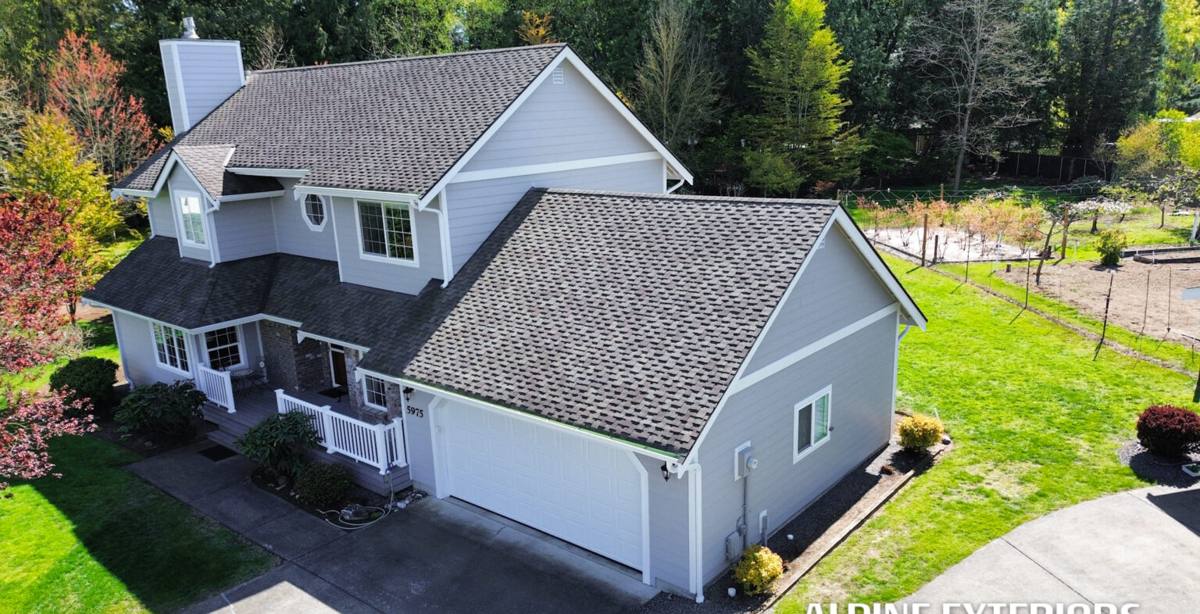
What Salt Air, Rain, and Moss Actually Do to a House
Salt Air and Corrosion
Homes near the water absorb airborne salt on every surface, including siding, fasteners, and trim. Salt is hygroscopic — it pulls moisture out of the air and holds it against whatever surface it lands on. Over years, that constant low-grade dampness accelerates corrosion in fasteners and metal flashing, and it degrades paint and coatings faster than a typical inland exposure would.
Driving Rain and Wind-Driven Moisture
San Juan County storms don't just drop rain straight down; wind pushes it sideways and up under laps, trim, and penetrations. Siding systems depend on gravity and properly shingled layers to shed water. When rain is wind-driven, any shortcut in flashing, caulking, or lap spacing becomes an entry point for moisture rather than a minor cosmetic flaw.
The Long Moss Season
Orcas Island's tree cover and marine humidity mean many homes stay shaded and damp for much of the year. That's exactly the environment moss, algae, and mildew need to establish themselves on a siding surface. Once organic growth takes hold, it holds moisture against the siding face and, on absorbent materials, can accelerate deterioration underneath.
What Correct Siding Installation Involves in This Environment
Weather-Resistive Barrier and Flashing
Everything starts behind the siding. A properly lapped weather-resistive barrier, correctly integrated window and door flashing, and flashing at every horizontal trim break are what actually keep wind-driven rain out of the wall assembly. Siding is the second line of defense, not the only one.
Fastening and Clearances
Fastener type, spacing, and depth matter more in a marine climate because corrosion-resistant fasteners are non-negotiable, and over-driven or under-driven nails create gaps that let moisture track behind the panel. Ground clearance and clearance from roof lines, decks, and hardscaping also need to follow manufacturer minimums so water can't wick up into the bottom edge of the siding.
Trim, Caulking, and Joint Details
Every seam, corner, and penetration is a potential water path. Correct joint treatment, quality sealant at the right locations (and no sealant where it isn't needed), and properly back-primed cut edges all reduce the number of places moisture can get a foothold.
Why We Install Only James Hardie Fiber Cement Siding
We don't install vinyl, LP SmartSide, Cemplank, Allura, primed spruce, or cedar. That's a deliberate standard, not a lack of options, and it's worth explaining honestly rather than just asserting it.
Non-Combustible Material
Fiber cement doesn't burn, warp, or feed a fire the way some wood-based and engineered wood siding products can. In an island community where wildfire risk and emergency response times are real considerations, that's a meaningful difference in what's on the outside of a home.
Engineered for This Kind of Climate
James Hardie manufactures region-specific HZ product lines, including versions engineered for high-humidity, marine, and freeze-prone climates. That's not marketing language — the formulation and moisture-management engineering are built for exactly the salt air and sustained dampness that West Sound homes deal with, rather than being a general-purpose product used everywhere regardless of exposure.
Factory-Applied ColorPlus Finish
Hardie's ColorPlus finish is baked on at the factory under controlled conditions, which gives more consistent, UV- and moisture-resistant color than field-applied paint achieves on most siding materials. In a climate where damp conditions and salt exposure are hard on finishes, starting with a factory-cured coating is a real advantage, not a cosmetic upsell.
Warranty That Reflects Confidence in the Product
Hardie backs its siding with a long, transferable limited warranty, and the ColorPlus finish carries its own separate finish warranty. That structure exists because the manufacturer expects the product to perform for decades in demanding climates — which is the same standard we hold our installations to.
How Fiber Cement Compares to the Alternatives Here
| Factor | James Hardie Fiber Cement | Vinyl | Wood / Engineered Wood (e.g. LP SmartSide) |
|---|---|---|---|
| Salt air / marine exposure | Engineered HZ lines for this exposure | Can become brittle and discolor over time in coastal UV and salt exposure | Wood fibers are more vulnerable to sustained moisture |
| Moisture and moss resistance | Dense cement composition resists moisture intrusion | Resists rot but seams and moisture behind panels can trap water | Organic wood content is more susceptible to fungal growth if moisture gets in |
| Fire performance | Non-combustible | Melts/deforms under heat exposure | Combustible, engineered wood especially so |
| Finish durability | Factory-cured ColorPlus finish | Color molded through material but can fade and chalk | Field-applied or factory primer, more maintenance-dependent |
| Long-term maintenance | Periodic washing, repaint on much longer cycle | Low maintenance but limited repair options if damaged | Regular inspection and refinishing needed to prevent moisture damage |
Our Process for a West Sound Installation
Site Assessment and Logistics
Island projects need real planning around material delivery and crew scheduling, since everything reaching Orcas Island depends on ferry timing. We build that into the project timeline up front rather than treating it as a surprise, and we assess the specific exposure of your home — how close it sits to the water, how much shade and tree cover it gets, and what the existing siding and sheathing tell us about past moisture behavior.
Removal and Substrate Check
Once old siding comes off, we inspect the sheathing and framing underneath for rot or existing moisture damage before anything new goes up. Covering a compromised substrate with new siding just hides a problem instead of solving it.
Weather Barrier, Flashing, and Installation
We install the weather-resistive barrier and flashing details first, then install the Hardie siding to manufacturer specifications for fastening, clearance, and joint treatment — the details that determine whether a job holds up through a decade of West Sound winters or starts failing in year three.
Final Inspection and Cleanup
We walk the finished siding for consistent reveals, tight joints, and proper caulking before calling a job complete, and we clean up the site fully before we leave.
Signs a West Sound Home May Need New Siding
- Paint that's peeling, bubbling, or chalking faster than expected for its age
- Soft spots, visible warping, or delamination in existing panels
- Persistent moss or algae growth that returns quickly after cleaning
- Visible gaps at seams, corners, or trim where daylight or drafts get through
- Rusting or corroded fasteners visible on the siding face
- Rising energy bills that suggest the wall assembly is no longer performing as insulation and air barrier
- Interior signs like musty smells or discoloration on walls that share an exterior with older siding
Maintaining Hardie Siding in a Marine Climate
Fiber cement is low-maintenance compared to wood, but "low-maintenance" isn't "no-maintenance" in a salt-air, high-moisture environment. A periodic gentle wash removes salt residue and slows moss and mildew before they establish, and an annual look at caulking, trim joints, and any areas near sprinklers or dense shade catches small issues while they're still small. Because Hardie's finish and substrate are engineered for this kind of exposure, that maintenance stays manageable rather than becoming a constant fight against the material itself.
Why It Matters to Hire a Crew That Already Works This Area
Installation quality is what actually determines whether siding performs for its full expected life, and that quality depends heavily on understanding the specific conditions of the site. A crew that regularly works West Sound and the rest of Orcas Island already knows how to plan around ferry-dependent logistics, how exposure varies between a shaded interior lot and a shoreline-facing home, and which details in flashing and fastening matter most in a marine climate with a long wet season. That local familiarity shows up in fewer surprises during the project and in a finished installation that's built for the climate it actually has to survive, not a generic specification.
If you're weighing a siding project on Orcas Island, we're glad to take a look at your home and walk you through what correct installation looks like for your specific exposure. Reach out for a free, no-pressure estimate using the form below.