 Orcas Island Siding
 Roof Replacement Built for Shaw Island's Weather, Not Just Any Weather
Shaw Island sits in the same salt-air, high-moisture belt as the rest of San Juan County, but a roof replacement here still needs to be planned around the specific way this island treats a roof. Marine air pushes salt-laden moisture onto every exposed surface. Winter storms bring driving rain that finds its way under anything installed loosely. And the long, damp shoulder seasons keep moss and algae growing on roofs longer than most of Washington ever sees. A roof that's correct for a dry inland town is not automatically correct for Shaw Island, and that difference shows up in material choice, flashing detail, and ventilation long before it shows up in price.
This page is about one job in one place: replacing a roof on a Shaw Island home. Not a general overview of roofing, and not a sales pitch — just what we think a homeowner here should know before signing off on a full tear-off and replacement.
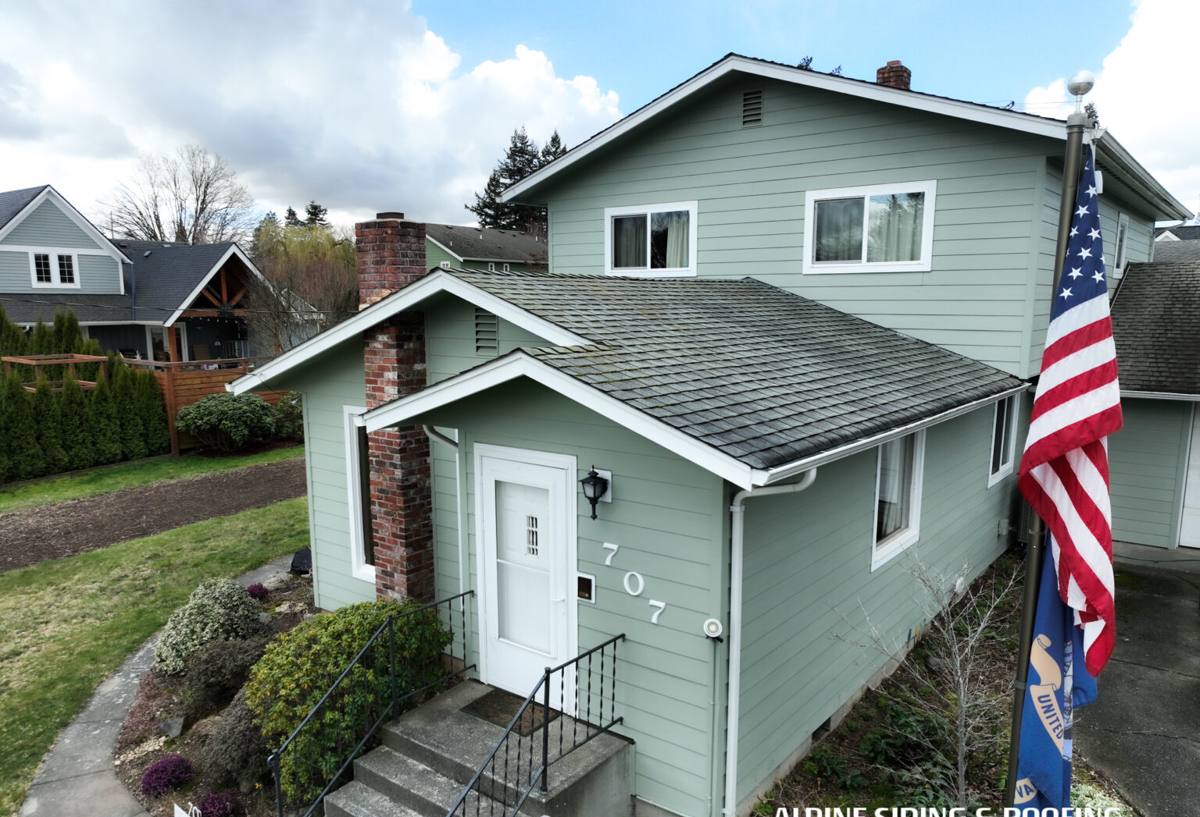
What Shaw Island's Climate Actually Does to a Roof
Salt Air
Airborne salt from the surrounding water settles on roofing surfaces and accelerates corrosion on anything metal — fasteners, flashing, drip edge, vent caps. A roofing job here has to treat corrosion resistance as a baseline requirement, not an upgrade. Standard electro-galvanized fasteners and bargain-grade flashing metal age faster in this environment than they would twenty miles inland.
Driving Rain
San Juan County storms tend to come in sideways as much as straight down. That means water gets pushed up under shingle tabs, into open laps, and behind poorly sealed flashing rather than simply running off. Underlayment coverage, flashing overlap direction, and fastening patterns all matter more here than they would in a climate where rain mostly falls straight down.
Moss and Algae Season
Shade, moisture, and mild temperatures on Shaw Island add up to a moss season that runs longer than a single "spring cleanup" can handle. Moss doesn't just sit on a roof — its root structure lifts shingle edges and holds water against the roof deck, which is how a moss problem quietly turns into a rot problem underneath.
Signs a Shaw Island Roof Is Due for Replacement
- Granule loss showing up in gutters or at the base of downspouts
- Shingles that are cupping, curling, or visibly lifting at the edges
- Moss established in mats rather than light surface growth
- Soft spots or sagging felt when walking the roof or visible from the ground
- Staining on interior ceilings or in the attic near the roof deck
- Flashing around chimneys, skylights, or vent pipes that's rusted, loose, or separated from the surface
- A roof that's simply reaching the back half of its expected service life
Any one of these can sometimes be handled with a repair. Several of them together, especially combined with an aging roof, usually mean repair costs start competing with replacement costs — and a repair on a roof that's failing broadly just delays the larger job while continuing to risk the structure underneath.
What a Correct Replacement Includes
A roof replacement is more than swapping old shingles for new ones. On Shaw Island specifically, we treat the following as non-negotiable parts of the job, not optional add-ons:
Full Tear-Off and Deck Inspection
We remove the old roofing down to the deck rather than layering over it. That's the only way to actually see the condition of the sheathing, catch soft or rotted spots from long-term moisture intrusion, and confirm the deck is sound enough to fasten a new roof to properly.
Underlayment Suited to the Exposure
Given the driving-rain pattern here, we don't treat underlayment as a formality. Full synthetic underlayment coverage, with self-adhering membrane at eaves, valleys, and other vulnerable transitions, is how a roof stays dry when rain is coming in sideways instead of straight down.
Corrosion-Resistant Metal and Fasteners
Flashing, drip edge, and fasteners are chosen with the salt-air environment in mind. Cutting corners here is exactly how a roof develops rust streaks and failed flashing joints years before it should.
Ventilation That Matches the Climate
Balanced intake and exhaust ventilation keeps moist air from condensing inside the attic — a real risk in a climate that's damp for much of the year. Ventilation gets evaluated as part of the replacement, not assumed to already be adequate just because the old roof had vents.
Flashing Detail at Every Penetration
Chimneys, skylights, plumbing vents, and roof-to-wall transitions are where the vast majority of leaks originate. These get rebuilt with proper step flashing, counterflashing, and sealant detail rather than a quick reuse of old flashing pieces.
Material Options and Honest Trade-Offs
There's no single "best" roofing material for every Shaw Island home — it depends on the roof's exposure, the home's style, and the owner's priorities around maintenance and lifespan.
| Material | Typical Lifespan | How It Handles This Climate | Maintenance Reality |
|---|---|---|---|
| Architectural asphalt shingle | 25-30 years | Good performance with correct underlayment and ventilation; moss-resistant granule options available | Periodic moss treatment recommended in shaded areas |
| Standing seam metal | 40-50+ years | Sheds driving rain well, resists moss buildup, but requires marine-grade fasteners and coatings to manage salt exposure | Low, but installation quality matters more than with shingles |
| Cedar shake | 20-30 years | Traditional look but retains moisture in this climate, which shortens its practical life here | Higher — regular treatment and inspection needed |
| Synthetic/composite shingle | 30-50 years | Resists moisture absorption and moss better than wood, holds up to salt air | Moderate — less than cedar, more than metal |
We'll walk through which of these fits a specific roof during the estimate rather than pushing one material as a default. The right answer depends on roof pitch, sun exposure, tree cover, and what the homeowner wants to be doing — or not doing — for maintenance ten years from now.
Why We Don't Push Certain Products Here
Some roofing products that work fine in drier parts of the state aren't a good match for Shaw Island's combination of salt air and sustained moisture. Untreated wood products, for example, hold onto moisture longer in this climate than they would inland, which shortens their realistic service life regardless of the manufacturer's stated rating. Similarly, standard fastener grades that are perfectly adequate in a low-corrosion environment aren't what we'd choose here — not because they're defective products, but because they're the wrong tool for this specific exposure. Our standard is to match material and hardware choices to the actual environment a roof will live in, not to the easiest or cheapest option on a spec sheet.
Our Process for a Shaw Island Roof Replacement
- On-site inspection — we walk the roof, check the attic, and assess deck condition, ventilation, and flashing points before quoting anything.
- Written estimate — a clear scope of work covering materials, tear-off, disposal, flashing, and ventilation, with no vague allowances.
- Scheduling around the weather — we plan the tear-off window with San Juan County's rain patterns in mind so the deck isn't left exposed longer than necessary.
- Tear-off and deck repair — full removal of old roofing, replacement of any compromised sheathing found underneath.
- Underlayment, flashing, and material installation — installed to the standards described above, not a bare-minimum code pass.
- Final walkthrough — we review the finished roof with the homeowner, including gutters, ventilation, and any remaining maintenance recommendations.
Getting to and from Shaw Island
Shaw Island's ferry access is part of any realistic project timeline here, and it's something we account for when scheduling — from material delivery to crew logistics — rather than treating it as an afterthought that causes delays mid-project. A crew that already plans around island access schedules its work more reliably than one working out these logistics for the first time on your roof.
Maintenance After Replacement
- Have gutters cleared at least twice a year — clogged gutters back water up under roof edges
- Keep overhanging branches trimmed back to reduce shade, debris, and moss growth
- Schedule a moss treatment or soft wash before it establishes into mats, not after
- Walk the attic once a year looking for any new staining, especially after a hard winter storm
- Address minor flashing issues immediately — a small leak caught early is a small repair; ignored, it becomes deck damage
A new roof still needs occasional attention in this climate. The goal of a correct install is to make that attention minor and infrequent, not to eliminate it entirely.
What to Ask Before Hiring a Roofing Crew Here
Not every roofing contractor working in Washington has real experience with island logistics and marine-exposure roofing. Before hiring anyone for a Shaw Island roof replacement, it's worth asking directly how they handle ferry scheduling for materials and crew, what fastener and flashing grade they use given the salt air, and how they approach ventilation on a damp-climate roof. A contractor who's done this work here before will have specific, concrete answers rather than generic ones.
If you're weighing a roof replacement on Shaw Island, we're happy to take a look and give you a straight, no-pressure estimate — what your roof actually needs, what it doesn't, and what it will cost. Use the form below to get started.