 Orcas Island Siding
 Metal Roofing Built for Shaw Island's Marine Climate
Shaw Island sits in the heart of San Juan County, reached only by ferry and surrounded on all sides by saltwater. That setting is part of what makes the island quiet and beautiful, but it's also what makes roofing here different from roofing thirty miles inland. Homes on Shaw Island deal with salt-laden wind coming straight off the water, long stretches of driving rain through the fall and winter, and deep tree shade that keeps roof surfaces damp and slow to dry for much of the year. A roof that would perform fine in a drier, more sheltered part of Washington can struggle here if it wasn't chosen and installed with those conditions in mind.
Metal roofing, done correctly, holds up well against that combination — but "done correctly" is doing a lot of work in that sentence. The wrong panel profile, the wrong fastener, or a rushed flashing detail will show up as a problem within a few winters, not a few decades. This page covers what actually matters for a metal roof on Shaw Island: what the climate does to roofing materials over time, what a proper installation involves, and how we handle the logistics of working on an island in San Juan County.
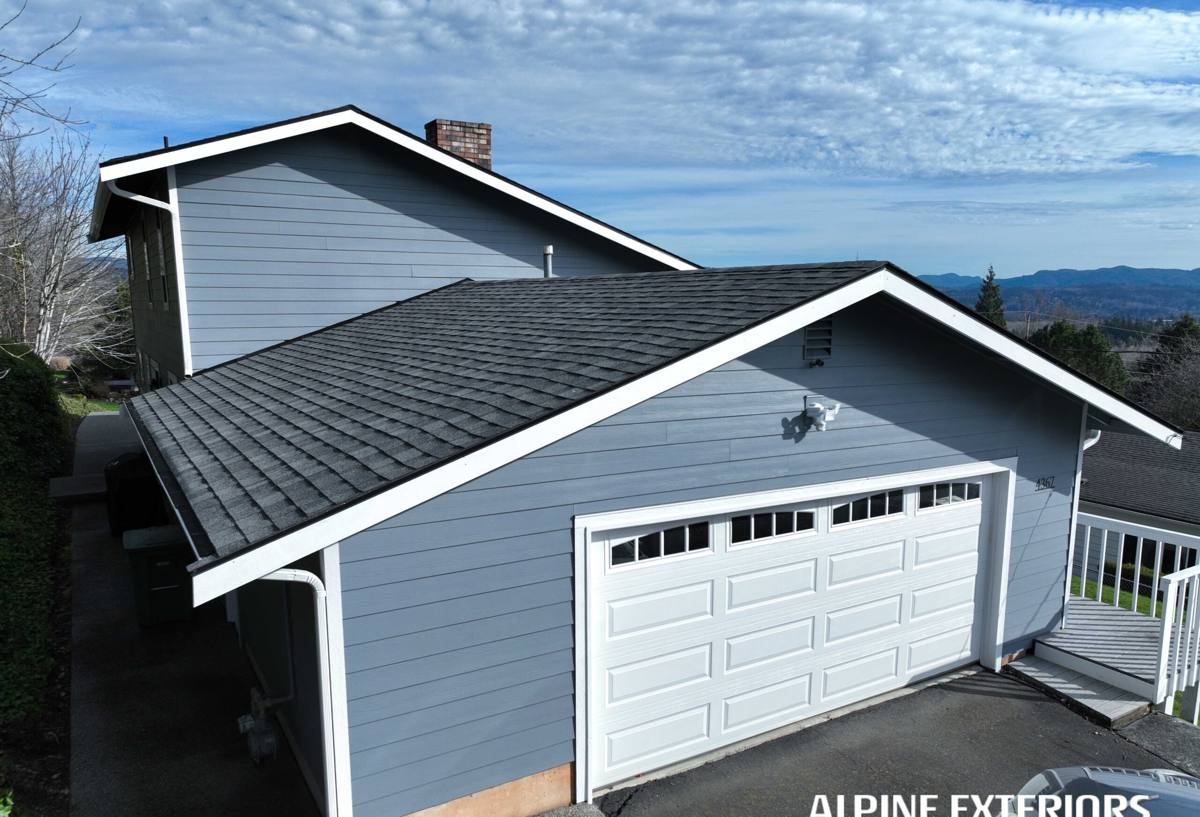
What Salt Air, Rain, and Moss Actually Do to a Roof
Salt Air and Corrosion
Airborne salt from the surrounding water settles on every exterior surface on the island, roofs included. On metal roofing, salt exposure accelerates corrosion at any point where the protective coating is thin, scratched, or absent — cut edges, fastener heads, and areas where dissimilar metals touch. This isn't unique to Shaw Island, but the island's exposure to open water on multiple sides makes it a more consistent factor here than it would be for a home tucked well inland on Orcas Island or elsewhere in the county.
Driving Rain and Wind-Driven Water
Storms coming through the San Juans regularly bring rain sideways, not straight down. That matters for roofing because wind-driven rain can work its way under laps, around fasteners, and into places a roof designed for calm, vertical rainfall was never asked to handle. Seam design, fastener placement, and underlayment all need to account for water moving sideways and even briefly uphill under pressure, not just water running downhill off the surface.
Moss, Shade, and Trapped Moisture
Much of Shaw Island sits under a heavy tree canopy, and that shade keeps roof surfaces cool and damp long after a storm has passed. Combined with the region's mild, wet winters, that adds up to a moss season that can run most of the year rather than a few weeks. Moss itself doesn't damage metal roofing the way it damages asphalt shingles, but moss and organic debris that collects in valleys, at panel laps, or against trim can hold moisture against the surface and create the exact conditions salt-air corrosion needs to take hold.
Metal Roofing Systems: What Fits a Shaw Island Home
Not all metal roofing is the same product wearing different colors. The system matters as much as the material. Here's how the common options compare for an island property in this climate:
| System | Best Fit | Maintenance Needs | Notes for This Climate |
|---|---|---|---|
| Standing seam | Most Shaw Island homes, especially near open water | Low — few exposed fasteners to fail | Concealed fasteners and raised seams shed wind-driven rain better than exposed-fastener systems |
| Exposed-fastener panel | Outbuildings, shops, budget-conscious projects | Moderate — fastener gaskets need periodic checking | Costs less upfront but every fastener penetration is a future maintenance point in a salt-air environment |
| Metal shingle / shake profile | Homes wanting a traditional look with metal's durability | Moderate | More seams and overlaps than standing seam, so detailing at valleys and edges matters even more |
For most primary residences on the island, we lean toward standing seam because it minimizes the number of penetrations and exposed fasteners — the two things that age fastest under salt exposure. That said, the right choice depends on the roof's slope, the home's style, and the budget, and we'll walk through the honest trade-offs for your specific roof rather than push one system by default.
What a Correct Installation Involves
Underlayment
A synthetic, high-temp-rated underlayment belongs under every metal roof here, not just at eaves and valleys. In a climate with this much sustained moisture, the underlayment is the backup plan for the moments when wind-driven rain gets past the metal surface itself — and on Shaw Island, that backup plan needs to be treated as essential, not optional.
Fasteners and Coatings
Fasteners and flashing need to be matched to the panel material to avoid galvanic corrosion, where two dissimilar metals in contact accelerate each other's breakdown — a real risk in a salt-air environment. We also pay attention to panel coatings; a quality paint or coating system with strong resistance to UV and salt exposure will hold its finish and its protective value far longer than a bargain-grade coating that looks the same on day one.
Flashing and Penetrations
Every chimney, vent pipe, and skylight is a place water wants to get in, and it's usually where a metal roof fails first if it's going to fail at all. Step flashing, counterflashing, and properly formed valley metal — installed with enough lap and sealed correctly rather than relying on caulk to do the job — are what keep those areas dry through years of driving rain.
Ventilation
A metal roof still sits over an attic or roof deck that needs to breathe. Proper intake and exhaust ventilation keeps moisture from condensing on the underside of the panels and keeps the roof deck itself from staying damp under a canopy of trees. Skipping this is one of the more common shortcuts we see, and it causes problems that have nothing to do with the metal itself and everything to do with what's trapped underneath it.
Getting the Job Done on an Island
Working on Shaw Island means working around the ferry schedule, not around it as an afterthought. Materials, tools, and crew all have to be staged and timed to make efficient use of ferry crossings — showing up without everything needed for the day wastes hours that a mainland job would never lose. We plan material deliveries and crew scheduling in advance specifically because of this, so a project doesn't stall out waiting on a part that should have crossed on an earlier sailing.
Weather windows matter too. Standing seam and other metal systems install best in dry conditions, and on an island where a storm system can roll in off the water with little warning, we build some flexibility into the schedule rather than promising a fixed date we can't control. That's a practical reality of roofing anywhere in the San Juans, not just Shaw Island, but it's more pronounced here given the limited crossings per day.
Living With a Long Moss Season
Metal roofing needs far less upkeep than asphalt shingles, but "far less" isn't "none," especially under heavy tree cover. A few habits go a long way toward protecting the investment:
- Clear needles, leaves, and other debris from valleys and around penetrations a couple of times a year, especially after fall leaf drop
- Keep gutters and downspouts flowing freely so water isn't backing up against roof edges
- Trim back overhanging branches where practical to reduce shade, debris, and abrasion against the roof surface
- Walk the roofline visually from the ground after major storms and note anything that looks out of place — a lifted piece of trim, a streak of rust, a sagging section of gutter
- Avoid pressure washing metal panels; a soft brush and low-pressure rinse removes moss and grime without damaging the coating
- Have the roof looked at by a professional periodically rather than only after a leak shows up inside the house
None of this is difficult, but it's the kind of maintenance that's easy to put off on a property you don't visit every week — which describes a lot of Shaw Island homes.
Repair or Replace? Weighing the Decision
Not every issue with a metal roof means starting over. The right call depends on a few factors:
| Factor | Leans Toward Repair | Leans Toward Replacement |
|---|---|---|
| Age of the roofing system | Newer system, isolated issue | Original system nearing or past its expected service life |
| Extent of corrosion | Limited to a few fasteners or a small trim section | Widespread corrosion across panels or seams |
| Underlayment condition | Underlayment still intact and functional | Underlayment failing or was never properly installed |
| Cause of the problem | A specific, fixable detail (flashing, a fastener, a penetration) | A systemic issue with the original installation or product choice |
An honest assessment starts with actually getting on the roof and looking, not guessing from the ground or assuming the worst because of the roof's age. We'll tell you plainly if a repair will hold up for years to come, or if it's a short-term patch on a system that's telling you it's done.
Our Process for Shaw Island Projects
- On-site inspection of the existing roof, including flashing, penetrations, and any visible corrosion or moisture damage
- A clear written assessment of what we find, along with recommended options and honest trade-offs between them
- A straightforward proposal covering materials, scope, and timeline — no pressure to decide on the spot
- Scheduling that accounts for ferry logistics and realistic weather windows for the season
- Installation following manufacturer specifications for fastening, flashing, and coating compatibility
- A final walkthrough so you know exactly what was done and what, if anything, to keep an eye on going forward
Why a Crew That Already Works the San Juans Matters
Roofing an island property isn't the same job as roofing a mainland property with a metal roof swapped in. It requires planning around ferries, understanding how salt air and shade actually behave on a specific site, and knowing which details matter most given San Juan County's weather patterns rather than applying a generic checklist. A crew that regularly works on Orcas Island and the surrounding islands, including Shaw Island, already has that logistics and climate knowledge built in — which means fewer surprises, fewer delays, and a roof that's specified correctly for where it actually sits rather than for an average Western Washington home.
If you're weighing options for a metal roof on Shaw Island — new construction, a full replacement, or repair work on an existing system — we're happy to take a look and give you a straight answer about what your roof actually needs. Reach out for a free, no-pressure estimate using the form below.