 Orcas Island Siding
 Deck Building on Shaw Island: What the Climate Demands
Shaw Island sits in the same marine weather system as the rest of the San Juan Islands, but a deck here takes a different kind of beating than one built even a few miles inland. Salt-laden air moves off the water and settles into wood grain, metal fasteners, and finish coatings. Driving rain off Puget Sound and the Salish Sea comes in sideways more often than straight down, which matters for how a deck sheds water. And the long, wet, low-sun stretch of the year — often called moss season by anyone who has scraped it off a roof or rail — gives moss, algae, and mildew months to take hold on any surface that stays damp and shaded.
None of that means a deck can't hold up well on Shaw Island. It means the build has to account for those three things from the framing up, not just at the surface finish. A deck built the same way you'd build one in a dry inland climate will show problems here years before it should — soft spots, corroded hardware, slick moss patches, and finishes that fail early.
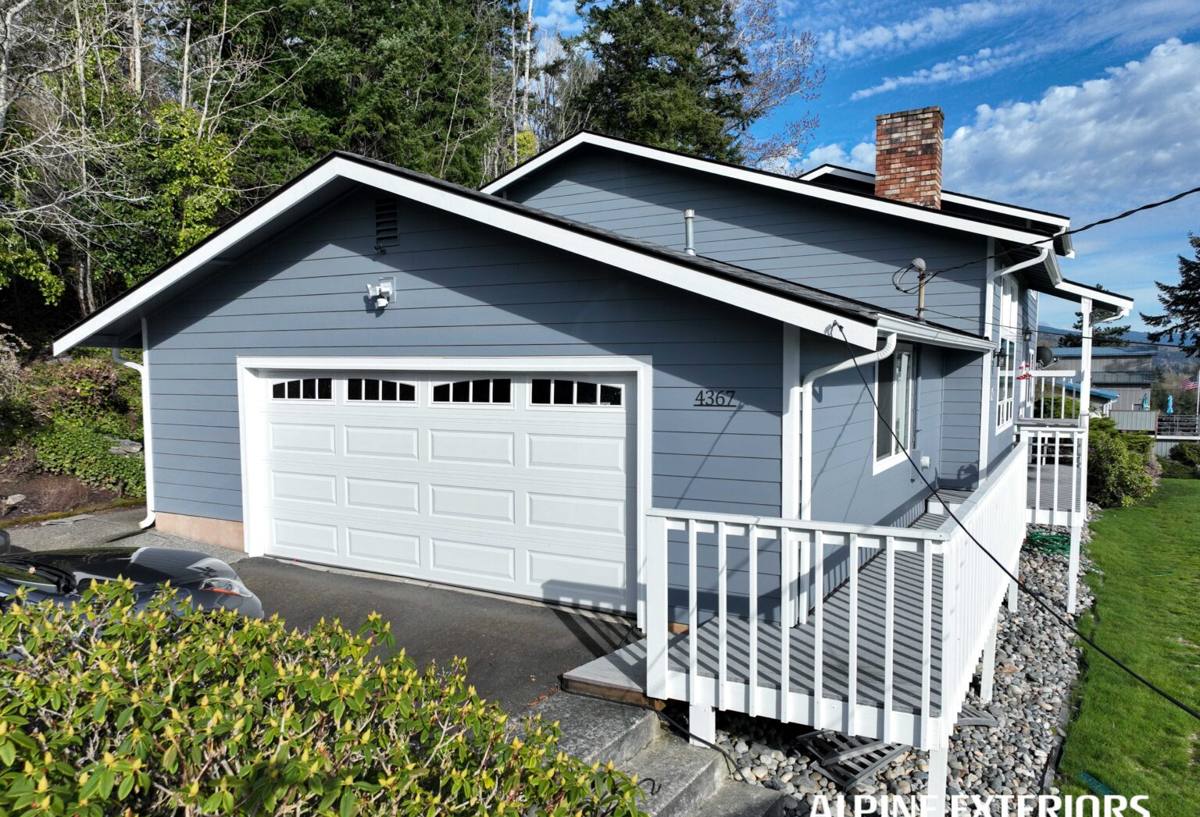
What Salt Air, Rain, and Moss Actually Do to a Deck
Salt Air and Metal Hardware
Salt accelerates corrosion in fasteners, brackets, and connectors. Standard electro-galvanized screws and joist hangers that would last for decades in a drier inland climate can start rusting and staining the decking around them within a few seasons this close to the water. Once a fastener corrodes, it loses holding strength long before it looks obviously bad — which is why the hardware spec matters more here than the decking material itself.
Driving Rain and Water Intrusion
Wind-driven rain finds its way into gaps that vertical rain never would — under ledger boards, behind rim joists, around post bases. A deck that isn't detailed for driving rain will trap water where you can't see it, and that's where rot starts on wood-framed structures and where coatings fail first on any material.
Moss, Algae, and Shade
Shaw Island's tree cover and long overcast stretches keep many outdoor surfaces damp for days at a time. Moss and algae need moisture and low light, and a poorly ventilated or poorly sloped deck gives them exactly that. Beyond the maintenance nuisance, a mossy deck surface gets genuinely slick — a real slip hazard on stairs and landings, not just a cosmetic issue.
Building and Delivering Materials to Shaw Island
Shaw Island is ferry-served, with limited daily sailings and no big-box lumber yard or hardware store on the island itself. That reality shapes how a deck project has to be planned, whether homeowners think about it up front or not.
- Material orders need to be planned around ferry schedules, not decided the morning a crew wants to start framing.
- Change orders mid-project — an extra bag of concrete, a missed bracket size — cost more time here than on the mainland, since a forgotten item can mean waiting for the next sailing.
- Crews who don't regularly work the San Juans often underbid the logistics and either eat the cost in delays or pass surprise charges back to the homeowner.
- Weather windows for ferry-dependent deliveries and for pours or coating work need to be watched more closely, since a missed calm-weather day can push a schedule out further than it would on the mainland.
A crew that already works Shaw Island and the rest of San Juan County plans material lists conservatively, orders with buffer, and builds the ferry schedule into the project timeline instead of discovering it partway through.
Decking Material Options for This Environment
There's no single "best" decking material for every Shaw Island home — the right choice depends on sun exposure, how much upkeep the owner wants to do, and budget. Here's how the common options actually perform in this climate:
| Material | How it handles salt air & rain | Moss/algae behavior | Maintenance |
|---|---|---|---|
| Pressure-treated wood | Good if properly sealed and re-coated; fasteners must be corrosion-rated | Prone to moss in shaded, damp spots without regular cleaning | Annual cleaning and periodic re-sealing |
| Cedar | Naturally rot-resistant, weathers well, but still needs finish upkeep near salt air | Moderate — smoother grain sheds moss more easily than rough-sawn lumber | Periodic cleaning and refinishing to hold color and protection |
| Composite decking | Very stable in moisture and salt exposure; no rot risk in the board itself | Can still grow surface algae/moss film if shaded and damp — needs washing | Low — periodic washing, no sealing or staining |
| PVC/synthetic decking | Excellent moisture and salt resistance; fully sealed material | Same surface-film risk as composite in shaded spots | Low — washing only |
Composite and PVC decking have become popular on the islands specifically because they remove rot risk from the equation, but they aren't maintenance-free — a shaded, low-airflow deck of any material will grow surface moss or algae film if it's never cleaned. Real wood, properly detailed and finished, still performs well and remains the right call for homeowners who want that look and are willing to keep up a finish schedule.
Framing, Fasteners, and Structural Details That Matter Here
The framing underneath is where a Shaw Island deck earns its lifespan, and it's mostly invisible once the project is done:
- Stainless steel or heavy hot-dip galvanized fasteners and structural connectors, sized for the salt exposure — not the standard electro-galvanized hardware sold as a general-purpose default.
- Corrosion-rated joist hangers and post bases at every structural connection, since these carry load and are the first hardware to fail if under-specified.
- Proper airflow and clearance beneath the deck framing so damp ground conditions don't sit against joists and beams.
- Post bases set to keep wood posts off grade and out of standing water, with a footing depth appropriate to San Juan County's frost and drainage conditions.
Skipping any one of these to save on material cost is the single most common reason a deck built by an out-of-area crew needs early repair — the hardware fails long before the decking boards do.
Drainage, Ledger Attachment, and Keeping Water Out
Two details matter more here than almost anywhere else in the build:
Ledger Flashing
Where a deck attaches to the house, proper flashing is what keeps driving rain from working its way behind the ledger board and into the house framing over time. This is a small, easy-to-rush detail that causes a disproportionate share of long-term water damage when it's done wrong.
Surface Drainage and Slope
Deck boards need a slight, consistent slope away from the house so water sheds instead of pooling. Combined with proper gapping between boards for airflow, correct slope is what keeps a deck surface drying out between rain events instead of staying damp long enough for moss to take hold.
Our Deck Building Process
Every deck project follows the same basic sequence, adjusted for the specific site and material:
- On-site assessment — sun exposure, shade patterns, existing structure (if replacing a deck), and access for materials and equipment.
- Design and material selection — sizing, layout, railing style, and a decking material matched to the homeowner's maintenance preference and budget.
- Permitting — San Juan County permit requirements vary by structure size and height; we handle what applies to the project.
- Material staging — ordered and scheduled around ferry access with buffer for weather and sailing delays.
- Framing and structural work — footings, framing, and hardware specified for this environment, not a generic inland spec.
- Decking, railing, and finish work — installed with correct fastening, spacing, and flashing details.
- Final walkthrough — reviewing the finished deck and maintenance expectations with the homeowner.
Maintaining a Shaw Island Deck After It's Built
A well-built deck still needs some seasonal attention in this climate to stay looking and performing well:
- Sweep debris and standing organic matter (leaves, needles) off the deck surface regularly, especially in shaded areas.
- Wash the surface at least once a year to remove early moss and algae growth before it establishes.
- Check railing and stair hardware periodically for corrosion, especially on decks facing open water or prevailing wind.
- Re-seal or re-stain wood decking on the schedule the finish product calls for — don't wait until it visibly fails.
- Keep gutters and downspouts near the deck clear so roof runoff isn't adding extra water load onto the structure.
Why a Crew That Already Works Shaw Island Matters
Building on Shaw Island isn't just a smaller version of building on the mainland — the ferry logistics, the salt exposure, and San Juan County's permitting and inspection process all add real variables that a crew unfamiliar with the islands tends to learn the hard way, on someone's project. A contractor who already routes materials and crews through the San Juans knows how to plan the schedule, spec the hardware correctly the first time, and avoid the delays and surprise costs that come from figuring island logistics out mid-project.
That local experience shows up less in what the finished deck looks like on day one and more in how it performs five and ten years in — when the fasteners haven't rusted, the framing hasn't rotted behind a poorly flashed ledger, and the surface isn't a moss rink every winter.
If you're planning a new deck or replacing an aging one on Shaw Island, we're happy to take a look and put together a straightforward, no-pressure estimate — just fill out the form below.