 Orcas Island Siding
 Building Decks for San Juan Island's Marine Climate
San Juan Island sits in the same weather pattern as the rest of San Juan County: salt-laden air off the water, long stretches of driving rain through fall and winter, and a moss and algae season that can run most of the year on shaded, north-facing structures. A deck built here isn't just outdoor furniture — it's an exterior structure that has to shed water, resist corrosion, and stay safe underfoot when everything around it is damp for months at a time. A design that works fine in a dry inland climate can fail early on San Juan Island if it's not detailed for these conditions.
That's the difference between a generic deck build and a custom one done right for this island. Custom doesn't just mean a unique shape or a built-in bench — it means every material and connection is chosen with this specific climate in mind, from the fasteners up.
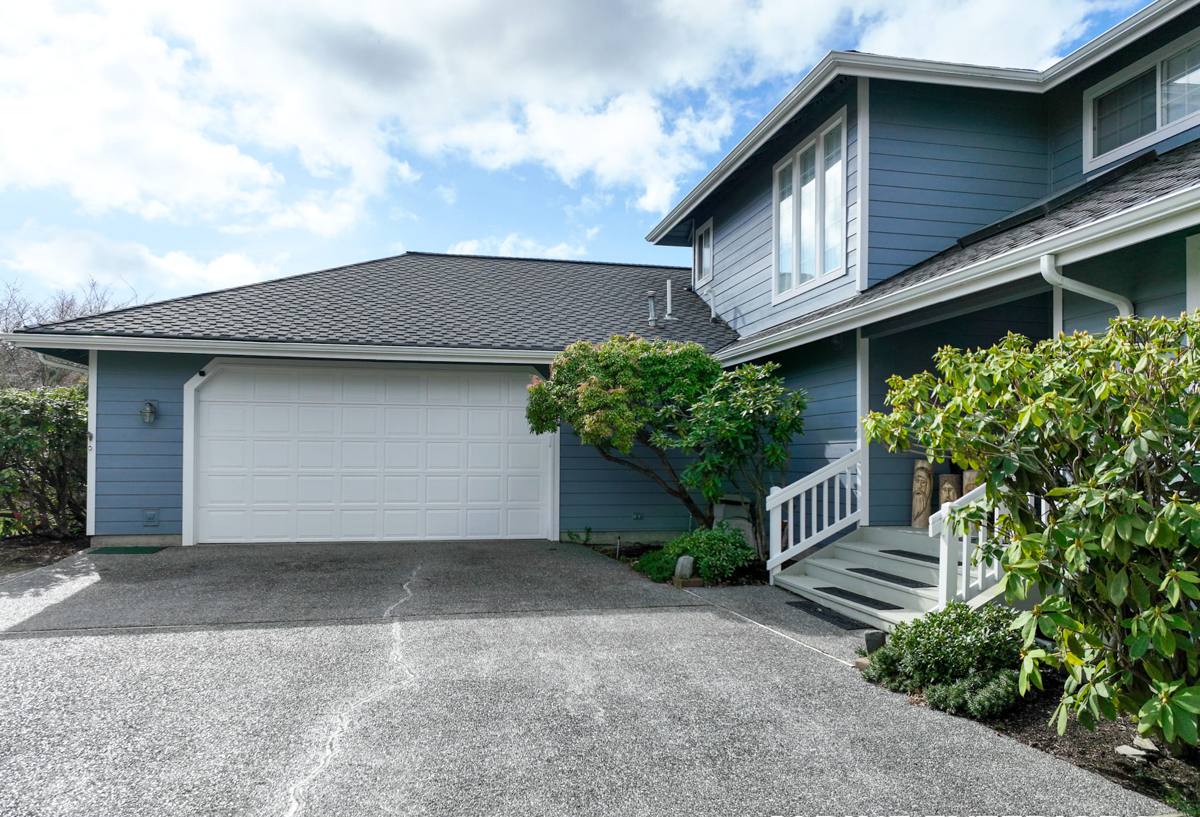
What "Custom" Should Actually Mean Here
A lot of homeowners hear "custom deck" and think of layout — multiple levels, a wraparound shape, a built-in seating area. Those are real parts of it, but on San Juan Island the more important custom decisions are the ones you don't see once the deck is finished:
- Fastener and hardware grade matched to salt-air exposure, not just standard exterior-rated hardware
- Decking material chosen for how it handles standing moisture and moss growth in shaded spots
- Framing details that keep water moving off the structure instead of pooling against the house
- Railing and post connections built to hold up under wind-driven rain and years of freeze-thaw cycling
- A layout that accounts for sun exposure, prevailing wind, and view lines specific to the site
We walk every site before we design anything. A deck facing open water on the west side of the island deals with different wind and salt exposure than one tucked into trees, and the build should reflect that.
Design Considerations Specific to This Area
Shade from evergreens is common on wooded island lots, and shaded decking stays damp far longer after a rain than open decking does. That changes which materials make sense and how much airflow the framing needs underneath. Open, view-facing decks near the water deal with more direct wind-driven rain and salt spray, which changes what we recommend for fasteners, railing hardware, and finish schedules.
Decking Material Options for This Climate
There's no single "best" decking material — there's a best fit for your site, your maintenance appetite, and your budget. Here's how the common options actually perform under San Juan Island conditions:
| Material | Moisture & Moss Behavior | Maintenance | Typical Lifespan Here |
|---|---|---|---|
| Pressure-treated fir/pine | Absorbs moisture, needs good airflow underneath to avoid rot; moss grows readily in shade | Annual cleaning, periodic sealing | 15-20 years with upkeep |
| Cedar | Naturally rot-resistant, but still needs finish maintenance to resist moss staining | Cleaning and re-oiling every 1-2 years | 20-25+ years with upkeep |
| Composite (capped) | Doesn't absorb water like wood, but moss and algae can still grow on the surface film in shade | Periodic washing, no sealing needed | 25-30+ years |
| PVC decking | Fully moisture-resistant, least prone to rot or absorption | Occasional washing | 25-30+ years |
We're honest with clients that composite and PVC decking still need cleaning in a shaded, mossy spot — they just won't rot or splinter the way wood eventually can if maintenance slips. If you want a real wood deck for the look and feel, cedar is a stronger long-term choice here than pressure-treated framing lumber used as the walking surface, and we'll tell you that up front rather than sell whatever's easiest to install.
Framing and Foundation Work That Matters More Than People Think
Most deck failures we get called to look at on the island aren't decking-surface problems — they're framing and connection problems that took a few years to show up. In a climate with this much sustained moisture, a few details matter more here than they would in a drier region:
Ledger Board Flashing
The ledger board attaches the deck to your house, and it's one of the most common sources of hidden rot when it's not flashed correctly. Water that gets behind an improperly flashed ledger can sit against your home's structure for months during the wet season without anyone noticing until there's real damage.
Footings and Post Bases
Post bases need to keep wood off standing water and off direct soil contact. On sites with heavier clay or poor drainage — not uncommon on parts of the island — footing depth and drainage around the post matter for long-term stability, not just code minimums.
Joist Protection
Joist tape or an equivalent moisture barrier on top of framing lumber before decking goes down adds real protection against the slow rot that comes from water sitting in fastener holes and seams, especially under wood decking that traps moisture.
Railings, Fasteners, and Hardware
Salt air corrodes standard hardware faster than most homeowners expect, especially on decks with any water view or exposure to onshore wind. We use fasteners and structural hardware rated for coastal or high-corrosion environments rather than standard exterior-grade hardware, particularly on structural connections like joist hangers, post bases, and ledger bolts. It costs a little more up front and it's the difference between hardware that's still sound in fifteen years and hardware that's rusting through in five.
Railings need to meet current building code for height and baluster spacing, and on a wind-exposed site we also think about how the railing design sheds water rather than catching it in horizontal surfaces where it can pool and freeze.
Permits and San Juan County Requirements
Most new deck construction and many significant deck replacements require a permit through San Juan County, and elevated decks typically have specific requirements around railings, guardrails, and structural connections. Requirements can also vary depending on whether your property falls near shoreline jurisdiction, which is worth checking early since it can affect setbacks and design options. We handle the permitting conversation as part of the process so you're not the one tracking down requirements — but it's worth knowing up front that a custom deck project here typically isn't a same-week build once permitting is factored in.
How We Build Your Deck
- Site visit and design conversation — we look at sun exposure, shade, drainage, wind exposure, and how you actually want to use the space
- Material selection — we walk through the real trade-offs for your site and budget rather than pushing one product line
- Permitting — we prepare and submit what's required through San Juan County before any construction starts
- Framing and structural work — footings, posts, ledger flashing, and joist protection done to hold up in this climate, not just pass inspection
- Decking, railing, and finish work — installed with corrosion-resistant fasteners and hardware appropriate to your site's exposure
- Final walkthrough — we go over basic care so the deck ages the way it's supposed to
Protecting Your Investment: Maintenance Checklist
A well-built deck on San Juan Island still needs seasonal attention because of how much moisture and shade this area gets. This is the baseline we recommend to every client, regardless of decking material:
- Clear leaves and debris from the deck surface and between boards regularly in fall
- Wash the surface at least once a year to remove moss, algae, and mildew buildup before it stains or gets slippery
- Check and clear any drainage paths or gaps that keep water from pooling under railings or against the house
- For wood decking, inspect the finish annually and re-seal or re-oil as needed — don't wait until it's visibly gray and dry
- Inspect structural connections (post bases, railing posts, stair stringers) every year or two for early signs of corrosion or movement
- Trim back overhanging branches that keep sections of the deck shaded and slow to dry
Why a Local Crew Makes a Real Difference
Building on San Juan Island isn't the same logistically as building on the mainland. Materials, equipment, and crews all have to move by ferry, which means scheduling has to be planned around sailings rather than just drive time. A crew that already works Orcas Island and the surrounding San Juan County islands knows how to plan material deliveries and crew days around that reality instead of losing time to it. We also know which details actually matter for this specific climate because we've built and maintained decks through multiple wet seasons here — not because we read a spec sheet once. That local experience shows up in the small decisions: how we flash a ledger board, which hardware we won't compromise on, and how we design for shade patterns that are specific to island lots.
What a Custom Deck Project Typically Costs
Every deck is different, but these are the main factors that move the price up or down on a project here:
| Factor | Impact on Cost |
|---|---|
| Size and number of levels | Larger, multi-level decks require more framing, footings, and labor |
| Decking material | Pressure-treated is the lowest upfront cost; cedar, composite, and PVC run higher but cost less in long-term maintenance |
| Height and structural complexity | Elevated decks need more substantial framing, footings, and railing engineering |
| Site access and ferry logistics | Difficult access or tight delivery windows can add time to a project |
| Railing style and hardware grade | Corrosion-resistant hardware and custom railing designs add cost but extend lifespan |
| Permitting requirements | Shoreline-adjacent or complex sites may need additional design or engineering work |
We'd rather walk your site and give you real numbers than throw out a broad range that doesn't mean much for your specific project.
If you're planning a new deck or replacing one that's not holding up to the island's weather, we're happy to take a look and put together a straightforward, no-pressure estimate. Use the form below to get in touch and we'll go from there.