 Orcas Island Siding
 Windows Built for Olga's Waterfront Climate
Olga sits on the southeastern shore of Orcas Island, close enough to the water that salt-laden air is a daily fact of life, not an occasional nuisance. Add San Juan County's long wet season, driving rain off the water, and the moss and lichen growth that comes with months of shade and moisture, and you have a climate that is quietly hard on windows. Frames swell and stick, seals fail early, and hardware corrodes faster than most manufacturers' warranty language accounts for. Custom windows done right for an Olga home aren't just about fitting an odd-sized opening — they're about choosing materials and installation details that hold up to this specific environment, not a generic Pacific Northwest spec sheet.
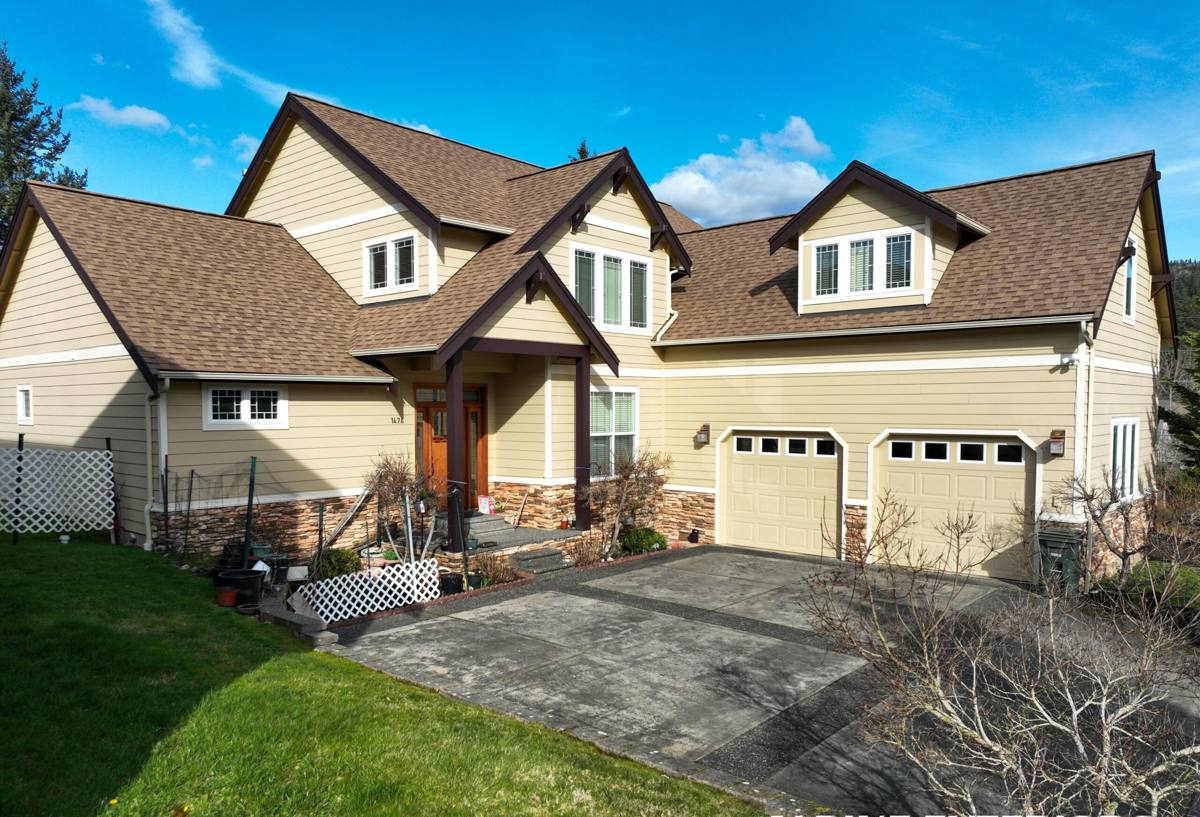
We work on homes throughout Orcas Island, and Olga's mix of older farmhouses, cabins, and newer waterfront builds each bring their own window challenges. What they share is exposure: to salt spray, to wind-driven rain, and to the slow, steady dampness that lets moss take hold on anything that stays wet too long.
Why "Custom" Matters Here
Custom windows aren't a luxury upsell — on many Olga properties they're the only realistic option. Older homes often have openings that don't match modern standard sizes, irregular rooflines that create odd angles, or historic proportions worth preserving. A custom window is built to the actual opening and the actual look of the house, rather than forcing the house to accommodate a stock size.
Common Reasons Homeowners Go Custom
- Original openings are non-standard sizes, common in older island construction
- A water view calls for a specific shape or larger glass area than stock windows offer
- Matching existing trim, muntin patterns, or architectural style on an addition or renovation
- Replacing failed windows one-for-one without altering siding or trim you want to keep
- Upgrading to better-performing glass or frame material without changing the home's appearance
What Salt Air and Rain Do to Windows Over Time
It helps to understand the specific failure patterns we see on the island so you know what to ask about and what to watch for.
Corrosion of Hardware and Fasteners
Salt in the air accelerates corrosion on anything metal — hinges, cranks, locks, and especially the fasteners holding a window in place. Standard-grade hardware that would last decades inland can start pitting and seizing within a few years this close to the water. This is why hardware and fastener selection matters as much as the window unit itself.
Seal and Gasket Failure
Constant moisture and temperature swings between damp mornings and drier afternoons stress the seals around glass and frame. Once a seal degrades, moisture gets between panes (fogging insulated glass) or behind the frame (rotting sheathing you can't see from inside).
Moss and Organic Growth
Olga's tree cover and shade mean surfaces stay damp longer after rain. Horizontal frame members, sills, and anywhere water can pool are prime spots for moss and algae to establish. Beyond appearance, sustained moisture under organic growth is what eventually rots wood components and holds moisture against finishes.
Wind-Driven Rain Intrusion
Storms coming off the water don't just fall straight down — rain gets pushed sideways into any gap in flashing or sealant. A window that's watertight in a calm rain can still leak in a driving wind event if the flashing details weren't done correctly.
Material Choices That Actually Hold Up
There's no single "best" window material for every Olga home — it depends on your home's style, budget, and how close you are to the water. Here's how the common choices actually perform in this environment.
| Material | Salt Air Performance | Maintenance | Best Fit |
|---|---|---|---|
| Fiberglass | Excellent — won't corrode or rot | Low | Waterfront and high-exposure homes |
| Vinyl | Good — resists corrosion, can UV-fade over decades | Low | Budget-conscious replacements |
| Clad Wood (wood interior, metal/composite exterior) | Good on exterior, wood interior needs care | Moderate | Homes wanting traditional wood look inside |
| Solid Wood | Poor without diligent upkeep — most exposed to moisture and moss | High | Historic homes prioritizing authenticity, with a maintenance plan |
| Aluminum (uncoated/standard) | Fair — prone to pitting near saltwater without marine-grade coatings | Moderate | Modern designs, best specified with marine-grade finish |
We'll talk through these trade-offs honestly during your estimate. If you want the look of wood, clad options give you that appearance with far less exposure risk on the exterior face. If low maintenance is the priority, fiberglass is generally the strongest performer in a salt-air setting.
Glass and Weatherstripping Details Worth Getting Right
The window unit itself is only part of the equation — the glass package and weatherstripping determine how it actually performs day to day.
- Insulated (double or triple pane) glass — reduces condensation and improves comfort near large water-view openings, where temperature differences between glass and room air are more pronounced
- Low-E coatings — help manage heat loss through large glass areas common in view-oriented homes
- Corrosion-resistant weatherstripping and hardware — stainless or coated components instead of standard-grade steel, given the pitting we see on hardware near the water
- Properly sized weep holes — need to stay clear so wind-driven rain that does get into the frame track can drain back out rather than sitting and feeding moss or rot
Our Installation Process
A window is only as good as its installation. Most of the leaks and premature failures we're called to fix on Orcas Island trace back to installation shortcuts, not the window product itself.
1. On-Site Assessment
We measure the actual opening, check the condition of surrounding trim and sheathing, and look for existing moisture damage or moss buildup that needs addressing before a new window goes in. Installing a new window into a wall with hidden rot just traps the problem.
2. Flashing and Water Management
Proper flashing — installed in the correct sequence with housewrap or building paper — is what actually stops wind-driven rain from getting behind the window. This is the step that's most often rushed on lower-cost installations, and it's the one that matters most in Olga's climate.
3. Custom Fabrication or Ordering
For true custom sizes or shapes, we work with manufacturers to build to your exact opening, or fabricate trim and casing on-site to match existing architectural details.
4. Installation and Sealing
Windows are set plumb and level, shimmed correctly, insulated around the frame without over-compressing it, and sealed with sealants rated for marine/coastal exposure.
5. Final Check and Walkthrough
We test operation, check seals, and walk the exterior with you so you know exactly what was done and what to watch for going forward.
What to Check Before Hiring Anyone for Custom Windows Here
- Do they have actual experience installing near saltwater, not just general window experience inland?
- Will they specify corrosion-resistant hardware and fasteners, or default to standard-grade parts?
- Do they explain their flashing process, or just talk about the window brand?
- Are they licensed and insured to work in Washington State and San Juan County?
- Will they address existing moss, moisture, or rot before installing, rather than installing over it?
A crew that already works regularly on Orcas Island understands these conditions without needing them explained. That familiarity shows up in the small decisions — hardware grade, sealant choice, flashing sequence — that determine whether a window is still performing well in ten years or leaking in three.
Maintaining Custom Windows in Olga's Climate
Even a well-installed window needs some upkeep in this environment.
- Rinse salt residue off frames and glass periodically, especially after storms
- Keep weep holes clear of debris and moss so water can drain properly
- Check and touch up exterior caulking annually, since UV and salt exposure break it down faster here than inland
- Address any moss growth on sills or trim promptly rather than letting it establish
- Lubricate hardware periodically with a corrosion-resistant product suited for coastal use
Cost Factors for Custom Windows in Olga
Costs vary widely based on size, material, glass package, and how much carpentry or trim work is involved, so we won't quote a number without seeing the job. What generally drives the price:
| Factor | Impact on Cost |
|---|---|
| Window material (vinyl vs. fiberglass vs. clad wood) | Fiberglass and clad typically cost more upfront than vinyl |
| Non-standard size or shape | True custom sizing adds fabrication time and lead time |
| Number of openings | Batching multiple windows in one project reduces per-window cost |
| Existing rot or moisture damage | Repair work needed before installation adds to the scope |
| Trim and casing complexity | Matching historic or custom trim profiles takes more labor |
| Access and site conditions | Waterfront lots or difficult access can affect logistics and time |
Get a Free, No-Pressure Estimate
If you're weighing custom windows for a home in Olga, we're happy to come take a look, walk you through what your specific opening and exposure will need, and give you a straightforward estimate — no pressure, no upsell. Use the form below to get started.