 Orcas Island Siding
 Storm Damage Roof Repair for Obstruction Pass Homes
The Obstruction Pass area, on the wooded east side of Orcas Island near Olga, takes weather differently than the more open, town-facing parts of the island. Homes here sit tucked into fir and cedar cover, often close to the water, exposed to the same winter systems that roll through the San Juans but with less shelter from wind and a heavier load of falling debris. When a storm does damage to a roof out here, the fix needs to account for that setting, not just patch a hole and move on.
We work roofs across Orcas Island and San Juan County, and Obstruction Pass comes with its own pattern of problems: wind-driven rain finding its way under shingles that look fine from the ground, moss holding moisture against roof decking through a long wet season, and storm debris from tall timber doing damage that's easy to underestimate until you get up there and look.
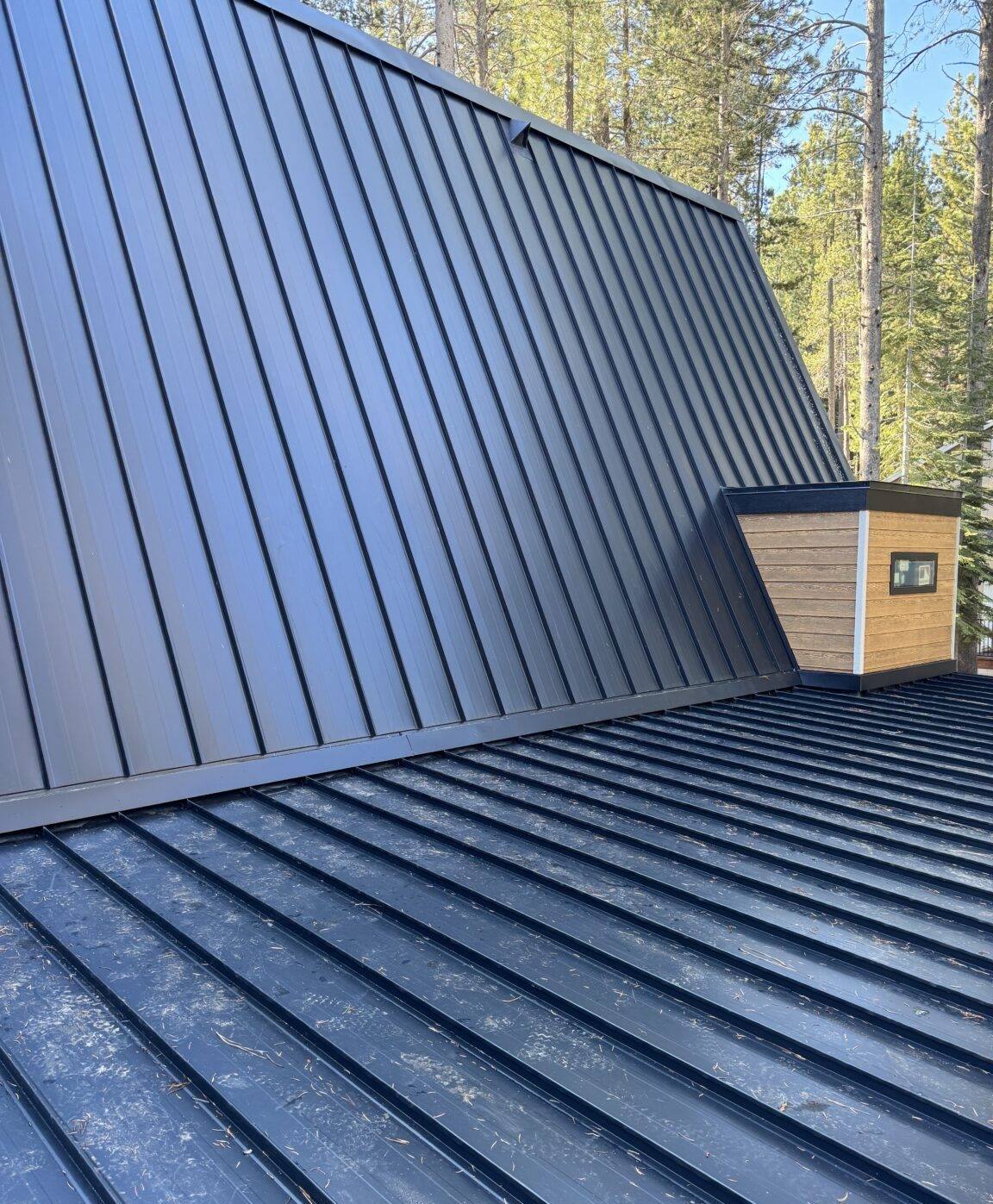
Why This Stretch of Orcas Island Is Hard on Roofs
Salt Air and Driving Rain
Even set back from the water, homes in this area get salt-laden air carried in on winter wind. Salt exposure speeds up corrosion on exposed fasteners, flashing, and metal roof panels, and it breaks down the surface of some roofing materials faster than inland exposure would. Combine that with driving rain — rain pushed sideways by wind rather than falling straight down — and you get water finding entry points that a calm-weather roof would never expose: lifted shingle edges, marginal flashing laps, and nail heads that have backed out slightly over the years.
Tree Cover and Storm Debris
The forest that makes Obstruction Pass a beautiful place to live also means roofs take a beating from falling limbs, whole branches, and needle and leaf litter during storms. A branch strike can crack shingles, dent metal panels, or punch straight through decking depending on size and speed. Even without a direct hit, heavy limb debris sitting on a roof after a storm holds moisture against the surface and can hide damage from view until it's checked.
Moss Season
San Juan County's wet season runs long, and shaded, tree-covered roofs like the ones common around Obstruction Pass are prime moss territory. Moss isn't just cosmetic — it holds water against shingles and decking, works its way under shingle edges as it grows, and can lift material enough that wind and rain get a foothold during the next storm. A roof already carrying moss going into a storm is more likely to sustain real damage than a clean one.
What Storm Damage Actually Looks Like
Storm damage isn't always a hole you can see from the driveway. Some of it is obvious, some of it isn't, and the less obvious kind is often what leads to interior damage weeks later if it's missed.
- Missing, cracked, or curled shingles, especially on the side of the roof that faced the wind
- Dented, creased, or loosened metal roofing panels or trim
- Granule loss showing up in gutters or at downspout outlets
- Lifted or damaged flashing around chimneys, skylights, and roof-to-wall transitions
- Broken or cracked ridge caps
- Debris — branches, needles, cones — collected in valleys or against the roof's uphill side
- Sagging or soft-feeling sections when walked, which can mean the decking underneath took on water
- New or worsening water stains on interior ceilings or in the attic after a storm
What a Correct Storm Repair Involves
A storm repair done right is more than swapping out the shingles that are obviously gone. It starts with figuring out how far the damage actually extends, because wind and driven rain rarely limit themselves to the spot that looks bad from the ground.
Assessment First
We check the full roof, not just the area that prompted the call — wind damage on one slope often means stress on adjacent areas too. That includes checking decking condition where shingles are missing, since wet decking needs to be dealt with before new roofing goes back down, not covered up.
Matching Materials
Where we can, we match existing shingle or panel type, color, and profile so a repair blends into the rest of the roof instead of standing out as a patch. On older roofs where an exact match isn't available anymore, we'll talk through the honest options rather than surprise you with a mismatched section.
Flashing and Underlayment
A lot of storm-related leaks come down to flashing, not shingles. Chimney flashing, valley flashing, and roof-to-wall flashing all take a beating in wind-driven rain, and repairing shingles without addressing damaged or marginal flashing underneath them is a repair that won't hold. Underlayment condition matters too, especially in a spot exposed to the amount of moisture Obstruction Pass sees.
Structural Check
If a branch strike or long-term moisture has affected the decking or framing underneath, that gets repaired before new roofing goes on top. Covering damaged decking with new shingles just hides a problem that will come back.
Our Process
- Inspection. We get on the roof (not just a look from the ground) and document what we find, including damage that isn't visible from the yard.
- Temporary protection if needed. If there's an active leak or exposed decking, we can tarp or otherwise stabilize the area to stop further water intrusion while a permanent repair is scheduled.
- Written scope and estimate. You get a clear breakdown of what's damaged, what needs to be repaired versus replaced, and what it will cost — no vague verbal estimates.
- Insurance documentation. If you're filing a homeowner's insurance claim, we provide photos and a written scope that your adjuster can work from.
- Repair. Matching materials, proper flashing, and decking repair where needed, done to hold up through the next storm, not just the next dry spell.
- Cleanup. Debris, old materials, and fasteners cleared from the roof, gutters, and ground.
Temporary Fix vs. Permanent Repair
After a storm, homeowners sometimes have to choose between stopping a leak today and doing the full repair once materials and scheduling line up. Both have a place — the key is knowing which one you're actually getting.
| Factor | Temporary Tarp/Patch | Permanent Repair |
|---|---|---|
| Purpose | Stop active water intrusion fast | Restore the roof to normal service life |
| Materials | Tarps, temporary flashing, sealant | Matched shingles/panels, proper flashing, underlayment |
| Timeline | Same-day to next-day in most cases | Scheduled around weather windows and material availability |
| Decking check | Not addressed | Checked and repaired if wet or damaged |
| Expected lifespan of the fix | Days to a few weeks | Matches the life of the surrounding roof |
If your roof needs a tarp to get through the next storm, that's a reasonable first step — but it's not a substitute for the permanent repair, and the longer decking sits wet under a tarp, the more likely it is that the damage grows.
Why It Matters That We Already Work Obstruction Pass
Access is a real factor out here. Driveways can be long, gravel, tree-lined, and steep enough that not every crew is equipped to get ladders, materials, and a truck in without extra time and hassle. A crew already familiar with this part of Orcas Island knows what to expect before showing up, which means less wasted time and a repair that starts sooner.
Distance matters for scheduling too. Everything on Orcas Island — labor, materials, timing around ferries — moves on island logistics, not mainland logistics. A contractor based here and already working San Juan County isn't waiting on a boat schedule to bring a crew and materials over; that's already how we operate every week.
There's also a familiarity factor with the roofs themselves. Homes in tree-covered, water-adjacent settings like Obstruction Pass tend to share the same wear patterns — moss in the same spots, flashing fatigue in the same areas, similar debris exposure. A crew that's already seen a run of roofs in this specific setting spots the real damage faster and doesn't waste your time investigating things that are normal wear for this environment.
After a Storm: A Quick Homeowner Checklist
- Check the attic or top-floor ceilings for new water stains or damp spots
- Look at gutters and downspouts for shingle granules, which can signal wind damage
- Scan the roofline from the ground for obviously missing or displaced shingles or panels
- Note any large branches or debris that landed on the roof, even if nothing looks broken
- Avoid walking the roof yourself after a storm — wet, moss-covered surfaces are dangerous
- Call for an inspection promptly if you suspect damage; a small leak left through a second storm gets worse fast
- Take photos of visible exterior damage for your own records before any cleanup happens
Getting a Straight Answer on What Your Roof Needs
Not every storm-related concern turns out to be major damage, and not every roof that looks rough from the ground actually needs a full repair. The only way to know is to get eyes on it. If you've had a storm move through Obstruction Pass and you're not sure whether your roof came through clean, we're happy to take a look, give you a straight assessment, and lay out your options — no pressure, no upsell. Reach out for a free estimate using the form below.