 Orcas Island Siding
 Windows Built for North Beach's Marine Climate
North Beach sits close enough to the water that salt air is a daily fact of life, not an occasional nuisance. Combine that with driving rain off the strait, long damp winters, and a moss season that can stretch from fall through spring, and you have a set of conditions that will find every weakness in a window installation within a few years. Old, leaky, or poorly flashed windows in this part of Orcas Island don't just waste energy — they let moisture into wall cavities that are already fighting a losing battle against humidity and salt-laden air.
Energy-efficient windows done right solve two problems at once: they cut the amount of heat your home loses through the coldest months, and they seal out the wind-driven rain and salt spray that cause rot, mold, and hardware corrosion. Doing it wrong — with the wrong glass package, the wrong flashing detail, or the wrong installer — just moves the problem behind the trim where you can't see it until the damage is expensive.
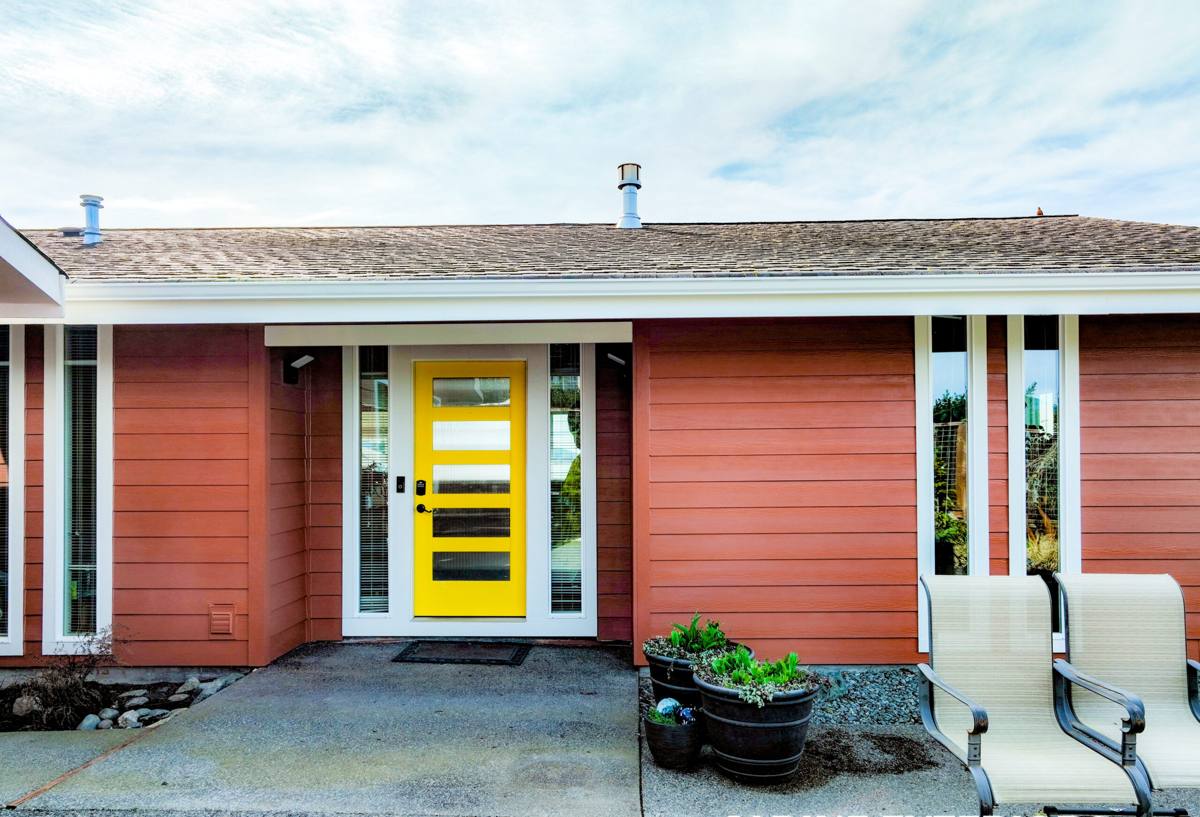
What Salt Air and Moss Season Actually Do to Windows
Homeowners who haven't lived on San Juan County waterfront before are often surprised by how fast salt air ages exterior hardware. It's worth understanding the specific mechanisms so you know what you're paying to prevent:
- Corrosion of hardware and fasteners — cheap or unprotected screws, hinges, and locking mechanisms pit and seize much faster near the water than they would inland.
- Sealant breakdown — UV exposure combined with salt spray degrades exterior caulking faster than manufacturer warranties assume, which is why sealant choice and application matter more here than in a dry climate.
- Wind-driven rain intrusion — North Beach gets weather that comes in sideways, not just down. Flashing and drainage details that would be adequate in a sheltered inland yard can fail here.
- Moss and organic buildup — moss doesn't just grow on roofs. It collects in window sills, tracks, and weep holes, holding moisture against wood and vinyl surfaces for months at a time and clogging the drainage paths that are supposed to keep water moving out.
- Condensation inside poorly performing glass — single-pane or worn double-pane windows fog and sweat during the cold, humid stretches, which adds interior moisture load on top of everything coming from outside.
None of this is unique to any one house — it's just what the local environment does to building materials over time. The fix isn't exotic; it's choosing the right window and installing it correctly for these specific conditions.
What "Energy-Efficient" Actually Means for This Location
Energy efficiency in a window is a combination of the glass package, the frame material, and — just as important on Orcas Island — how well the unit is sealed and flashed against the weather it will actually face. A high-performance window installed with a poor moisture barrier will still leak air and water around the frame, which undermines the efficiency rating on paper.
Glass and Frame Considerations
For North Beach homes, we generally steer homeowners toward:
- Double- or triple-pane insulated glass units with low-E coatings suited to our marine, mixed-humid climate — cutting winter heat loss without over-darkening interiors during our already-limited daylight months.
- Argon or krypton gas fill between panes, which improves insulating performance without adding bulk.
- Frame materials chosen for corrosion resistance and low maintenance near saltwater — vinyl and fiberglass frames generally hold up better against salt exposure than uncoated aluminum, and we're honest with homeowners about that trade-off rather than pushing whatever is cheapest to install.
- Warm-edge spacer systems, which reduce condensation risk at the glass edge — a detail that matters more here given how often interior humidity runs high during the wet season.
Why Installation Quality Matters More Here Than the Product Spec Sheet
A window's efficiency rating is tested under lab conditions, not under driving coastal rain. The real-world performance of any window depends on:
- Correct rough-opening prep and level, square, plumb setting
- Proper flashing sequencing — so water is shed out, not trapped behind siding
- Continuous, compatible sealant at every joint, not just a bead around the visible trim
- Insulation and air-sealing in the gap between the frame and rough opening, done without over-compressing materials that reduce their R-value
We treat these details as non-negotiable, because on a site exposed the way North Beach is, a shortcut here doesn't show up as a comfort complaint — it shows up as rot behind the trim two or three winters later.
Signs Your North Beach Home's Windows Need Attention
Because window failure on Orcas Island tends to happen behind the scenes before it's visible, it helps to know the early warning signs:
- Drafts you can feel near the frame, even with the window fully latched
- Condensation or fogging between panes (a sign the seal has failed and the insulating gas has escaped)
- Soft or discolored wood trim, sills, or the wall surface just below a window
- Difficulty opening, closing, or locking — often a sign of a frame that has swelled, warped, or corroded hardware
- Visible moss, algae, or persistent green staining around the sill or bottom corners
- Rising heating bills without a clear cause elsewhere in the home
- Paint or finish that's peeling specifically around window openings rather than across the whole wall
Any one of these on its own might be minor. Several together, especially on a home's weather-exposed sides, usually means it's time for a closer look before the underlying framing is affected.
Our Process for North Beach Window Projects
1. On-Site Assessment
We start by looking at each window in context — which walls take the worst of the weather, whether there's existing moisture damage, and what the current flashing and sealant condition actually is, not just how the window looks from inside.
2. Honest Repair-vs-Replace Recommendation
Not every window needs full replacement. Sometimes a failed seal, damaged weatherstripping, or a sealant refresh solves the problem for a fraction of the cost. We'll tell you when that's the case rather than defaulting to a full replacement quote.
3. Product Selection Matched to Exposure
A window on a sheltered, inland-facing wall doesn't need the same spec as one facing open water. We help homeowners match glass and frame choices to each specific opening rather than quoting one blanket package for the whole house.
4. Correct Installation Sequence
This includes proper removal without damaging surrounding siding, inspection and repair of any framing or sheathing found compromised once the old unit is out, correct flashing integration with the existing weather-resistive barrier, and full perimeter sealing designed for wind-driven rain.
5. Final Inspection and Homeowner Walkthrough
We check operation, seal integrity, and finish work with you before calling the job done, and explain any maintenance steps specific to your home's exposure.
Cost Factors to Understand Before You Get a Quote
Window project pricing varies by home and by opening, but the factors that actually move the number are consistent. This isn't a fixed price list — it's what to expect a quote to be built around:
| Factor | Why It Affects Cost |
|---|---|
| Frame material | Vinyl, fiberglass, and clad-wood options differ in upfront cost and long-term maintenance near salt air |
| Glass package | Double- vs. triple-pane and coating options change both efficiency and price |
| Wall exposure | Openings facing prevailing wind and rain often need more robust flashing detail and labor time |
| Existing damage | Rotted framing or sheathing discovered during removal adds repair scope beyond the window itself |
| Access and site conditions | Second-story, tight, or hard-to-reach openings take longer to do correctly |
| Number of openings | Whole-house projects typically bring a better per-window cost than single replacements |
We'd rather walk a homeowner through these variables in person than quote a number sight unseen — the range on Orcas Island is wide enough that a phone estimate isn't useful to anyone.
Maintenance That Extends Window Life in This Climate
Even a well-installed, high-quality window benefits from a little seasonal attention given what North Beach weather puts it through:
- Clear moss and debris from sills, tracks, and weep holes before the wet season sets in
- Rinse accumulated salt residue off frames and glass periodically, especially on water-facing sides
- Check and refresh exterior caulking where it's cracked or pulling away, rather than waiting for a full failure
- Operate hardware a few times through the winter so mechanisms don't seize from disuse and moisture
- Watch for early signs of trim discoloration and address it before it spreads to structural wood
These aren't big jobs, but skipping them is how a good window installation turns into a premature repair call.
Why Local Experience on Orcas Island Matters
Window installation techniques that work fine in a dry, inland climate can fall short here. A crew that regularly works North Beach and the rest of San Juan County already knows which details are worth extra attention — the flashing sequence for wind-driven rain, the hardware and sealant choices that actually hold up to salt exposure, and how moss and moisture behave around window openings through our long wet season. That's not something you can fully substitute with a generic manufacturer install guide written for a different part of the country.
It also means we're not guessing about how a product will perform three winters from now — we've seen how different frame materials, sealants, and installation approaches hold up on homes with the same exposure as yours.
Get a Straightforward Estimate
If your North Beach home has drafty windows, visible moisture damage, or you're just planning ahead before the next wet season, we're happy to take a look and give you an honest read on repair versus replacement — no pressure, no upsell. Use the form below to request a free estimate.