 Orcas Island Siding
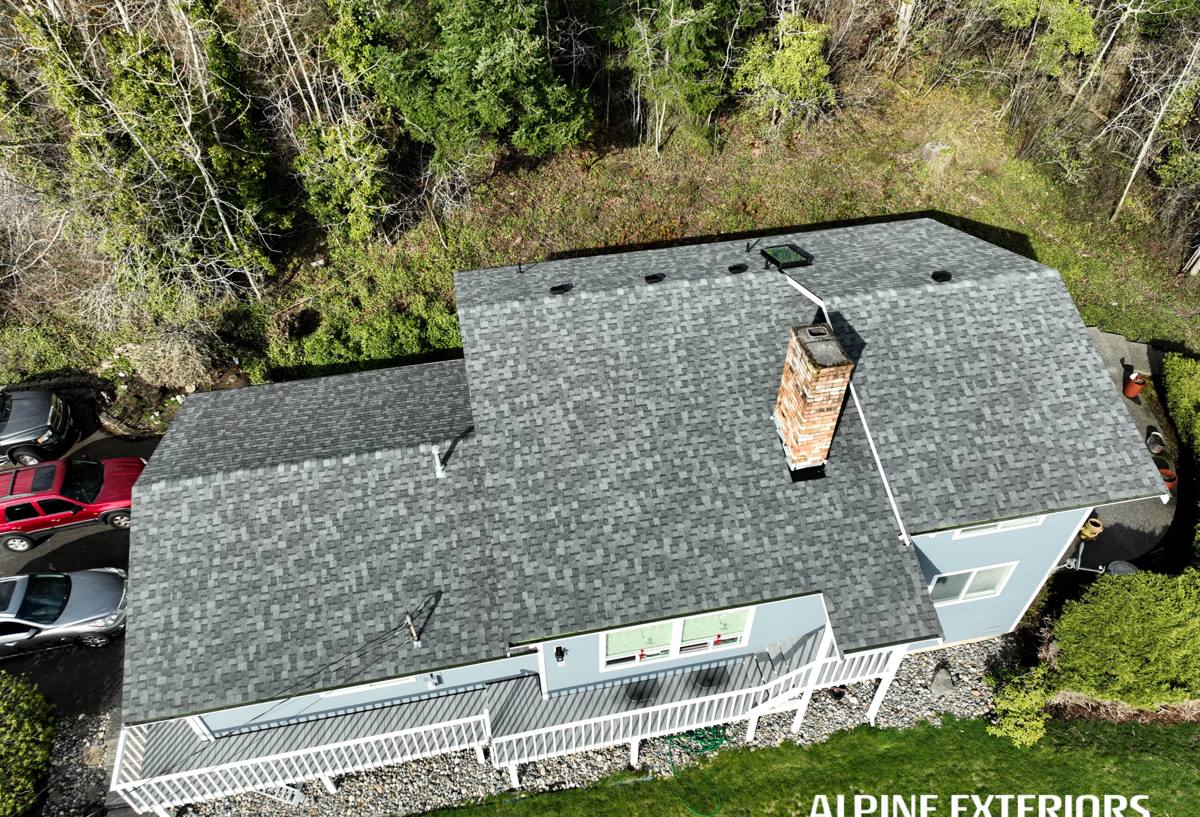
 New Roof Installation on Lopez Island
A roof on Lopez Island works harder than a roof almost anywhere inland. It sits under a marine layer that keeps shingles damp for hours after every storm, takes on salt-laden air blowing off the water, and spends a good chunk of the year growing moss faster than most homeowners can knock it back. When a roof on this island finally needs full replacement rather than another round of patching, the job has to account for all of that from the first layer of underlayment to the last ridge cap. This page covers what a correct new roof installation looks like on Lopez Island specifically, not roofing in general.
Why Lopez Island Roofs Wear Out the Way They Do
San Juan County sits in a rain shadow compared to the mainland, but "less rain" does not mean "easy on roofs." What Lopez Island gets instead is long stretches of low cloud, fog, and drizzle that keep roof surfaces wet far longer than a heavier but shorter downpour would. Add in wind-driven rain off the water, which pushes moisture up and under shingle edges and flashing rather than just down onto the surface, and you get a climate that punishes weak points a dry-climate roof could get away with for years.
Salt Air
Homes closer to the shoreline deal with airborne salt that accelerates corrosion on any exposed metal — fasteners, flashing, vent caps, gutter hardware. A roof spec written for an inland town often under-specifies the metal components for this environment, and that shortcut shows up as rust streaks and failed flashing joints years before the shingles themselves are worn out.
Moss and Prolonged Dampness
Moss needs shade, moisture, and time — Lopez Island roofs get plenty of all three, especially on north-facing slopes and under tree cover. Moss doesn't just look bad; its root structure lifts shingle tabs and holds water against the roof deck, which is one of the more common causes of premature rot we find when we tear off an older roof out here.
Signs a Lopez Island Home Needs Replacement, Not Another Repair
Not every roof problem calls for a full tear-off. But on this island, certain signs usually mean patching is just delaying a bigger bill:
- Granule loss heavy enough that you can see bare, shiny patches on multiple slopes, not just one worn spot
- Soft or spongy decking underfoot in the attic, especially near valleys or chimneys — a sign moisture has already reached the wood
- Moss that keeps returning within a season or two of cleaning, even after treatment
- Daylight visible through the roof deck at eaves or ridges when viewed from the attic
- Flashing around vents, chimneys, or skylights that's rusted through or was never properly step-flashed to begin with
- A roof already past 20–25 years old with more than one layer of shingles underneath
If a roof is showing two or three of these at once, that's usually the point where continued repair starts costing more, over a few years, than a properly done replacement would have.
Choosing a Roofing Material That Holds Up Here
There's no single "right" material for every Lopez Island home — budget, roof pitch, and the look of the house all factor in. But some materials are a better match for a marine, moss-prone climate than others.
| Material | How It Handles This Climate | Trade-Offs to Know |
|---|---|---|
| Architectural asphalt shingle | Good moisture and wind resistance when properly ventilated; widely available warranty coverage | Still needs periodic moss treatment; lifespan shortened by shade and prolonged dampness if ventilation is poor |
| Standing seam metal | Sheds moss and standing water very well; long service life in wet climates | Higher upfront cost; requires marine-grade fasteners and coatings near the shoreline to avoid corrosion |
| Cedar shake | Traditional look that fits many island homes | Needs disciplined ventilation and regular maintenance to resist moss and rot; more upkeep than the other two options |
| Synthetic/composite shingle | Resists moisture absorption and moss better than natural wood | Product quality varies by manufacturer; verify local warranty support before committing |
Whatever material a homeowner chooses, we treat proper ventilation and flashing as non-negotiable — those two details affect how well any roof surface performs here far more than the shingle brand does.
What a Correct New Roof Installation Actually Involves
A new roof is more than swapping old shingles for new ones. On Lopez Island, a few steps matter more than they might in a drier climate, and skipping them is exactly how a "new" roof ends up with the same moss and leak problems in a few years.
Tear-Off and Deck Inspection
We remove existing roofing down to the deck rather than layering over it. That's the only way to actually see the condition of the sheathing — soft or delaminated plywood gets replaced before anything new goes down, not covered up.
Ice-and-Water Shield at Vulnerable Points
Eaves, valleys, and areas around chimneys and skylights get a self-adhering waterproof membrane underneath the primary underlayment. This is standard practice in wind-driven-rain climates and matters more here than it would in a drier, calmer region.
Flashing Done Right
Step flashing at walls and chimneys, proper valley flashing, and corrosion-resistant materials at every penetration. Given the salt air near the water, we specify metal that can actually hold up rather than the cheapest option that meets code on paper.
Attic Ventilation
Balanced intake and exhaust ventilation keeps the underside of the roof deck dry and reduces the shaded, damp conditions moss thrives on. A new roof installed over poor or absent ventilation is one of the most common reasons we see moss and premature wear return within a few years.
How Our Process Works for Lopez Island Projects
Working on an island changes the logistics of a roofing job, and we plan for that rather than treating it as an afterthought.
- We scope the job and confirm material needs before scheduling, so we're not making extra trips for missing supplies
- Materials and equipment are staged and brought over together, timed around ferry schedules, to keep the crew on-site and working rather than waiting on freight
- We plan around Lopez Island's weather windows — tear-off day is timed to minimize how long a roof deck sits exposed
- Cleanup includes magnetic sweeps for nails and full removal of old roofing debris before we leave
- We walk the finished roof with the homeowner and explain what was done, including any deck repairs that came up mid-project
Because we already work throughout San Juan County — not just occasional trips out to Lopez Island — our crew isn't learning island logistics on your project. That familiarity is part of what keeps timelines realistic instead of optimistic.
What Drives the Cost of a New Roof on Lopez Island
Every roof is priced from the specifics of the house, but the same handful of factors move the number up or down on most Lopez Island projects.
| Cost Factor | Why It Matters |
|---|---|
| Roof size and pitch | More surface area and steeper pitches both increase labor time and material use |
| Number of existing layers | Tearing off multiple old layers takes longer and adds disposal cost versus a single-layer tear-off |
| Material choice | Asphalt, metal, cedar, and composite options carry different material and installation costs |
| Deck condition | Rotted or soft sheathing found during tear-off needs replacement before new roofing goes down |
| Roof complexity | Valleys, dormers, chimneys, and skylights each add flashing work and time |
| Access and logistics | Site access and ferry-dependent material delivery factor into scheduling and cost on island projects |
We give a firm, itemized estimate after an on-site look at the roof — not a rough guess over the phone — so a homeowner knows what they're actually paying for before work starts.
Why Hiring a Crew That Already Works Lopez Island Matters
A roofing crew that mostly works mainland neighborhoods will still know how to install a roof. What they won't necessarily know is how to plan around ferry-dependent material delivery, how aggressively moss establishes itself on shaded island roofs, or which flashing details actually hold up against salt air off the water year after year. Those are things you learn by doing the work here repeatedly, not by reading a spec sheet once.
Ask any contractor bidding on a Lopez Island roof how they plan material delivery and scheduling around the ferry, and whether their flashing and fastener choices account for the marine environment. A contractor who's actually done island work will have a straightforward, specific answer. One who hasn't will usually talk in generalities.
Questions Worth Asking Before You Hire
- How will materials and equipment get to the site, and how does that affect the schedule?
- What underlayment and flashing materials are specified for the eaves, valleys, and any chimney or skylight penetrations?
- Is attic ventilation being assessed and addressed as part of the project, or just the shingles being replaced?
- What happens if soft or rotted decking is found once tear-off starts?
- Is the estimate itemized, and does it include cleanup and debris disposal?
After the New Roof Goes On
A properly installed roof still benefits from basic upkeep in this climate. Keeping gutters clear so water isn't backing up under the roof edge, having moss growth addressed before it re-establishes rather than after, and a periodic visual check of flashing points will get the most life out of a new roof on Lopez Island. None of that requires much — it's a lot less than what an aging, poorly ventilated roof demands in ongoing patchwork.
If you're weighing repair versus replacement, or just want a straight answer on what your roof actually needs, we're happy to take a look and walk the property with you. The estimate is free, there's no pressure attached to it, and you'll get a clear explanation of what we find — use the form below to get started.