 Orcas Island Siding
 Lopez Village Sits Right in the Path of Everything Puget Sound Weather Throws at Siding
Lopez Village is the community hub of Lopez Island, reached by ferry from the same San Juan County waters that surround Orcas Island. Homes here take on the same combination of conditions that make siding decisions harder than they look from the mainland: salt-laden air off the Sound, driving rain that comes in sideways during winter storms, and a moss season that can stretch from fall through spring in the shaded, tree-lined lots common around the village. Any siding material installed here gets tested by all three, year after year, and the ones that aren't built for it tend to show it early, through swelling, staining, fastener corrosion, or moss creeping up from the ground line.
We work throughout the San Juan Islands, and Lopez Village comes with its own set of details worth planning for before the first board goes up.
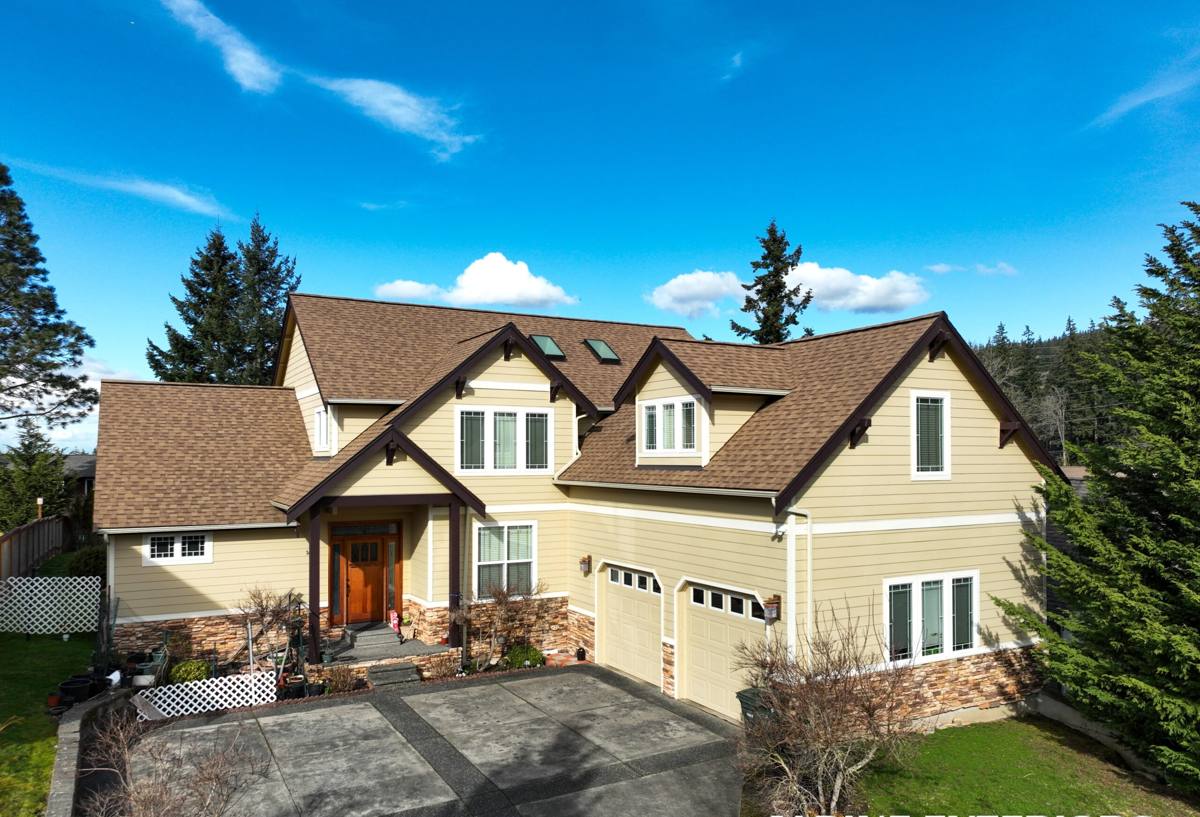
Why Fiber Cement Holds Up to This Particular Mix of Conditions
Fiber cement siding is a blend of cement, sand, and cellulose fiber, pressed and cured into a dense, stable board. Unlike wood-based products, it doesn't feed the organisms that cause rot, and it doesn't swell and contract with every wet-dry cycle the way untreated or lightly treated wood siding does. That matters on a site where driving rain can push moisture into any gap that isn't properly flashed or caulked, and where a lot of walls stay damp longer than they would in a drier inland climate.
Salt Air and Long-Term Material Fatigue
Salt air accelerates corrosion in exposed metal fasteners and trim, and it can be hard on finishes that aren't formulated to resist it. James Hardie's ColorPlus factory finish is baked on in a controlled setting and backed by its own finish warranty, which matters more here than it would fifty miles inland. A finish that chips or fades early just means repainting sooner, on a home that's harder to reach, schedule, and supply than a typical mainland job.
Moss, Shade, and Ground-Level Moisture
The tree cover around much of Lopez Village keeps a lot of siding in shade for large parts of the day, which slows drying after rain and extends the window moss and algae have to take hold. Fiber cement doesn't give moss the organic material it needs to root into the way wood siding can, but moss and debris sitting against any siding, fiber cement included, will hold moisture against the wall longer than it should. Correct clearances and a clean water path off the wall matter as much as the material choice itself.
What a Correct Fiber Cement Install Actually Involves
Fiber cement is only as good as the installation behind it. The material itself resists moisture well, but the assembly around it, the water-resistive barrier, flashing, fastening, and joints, is what actually keeps water out of the wall over the long run.
Water Management Behind the Cladding
A correctly built wall starts with a weather-resistive barrier lapped shingle-style so water sheds outward, not into the sheathing underneath. On rain-exposed elevations, a rainscreen gap behind the siding gives any moisture that does get past the cladding a path to drain and dry, instead of sitting against the wall assembly where it can eventually cause hidden damage.
Fastening, Clearances, and Cut Edges
James Hardie specifies fastener type, spacing, and placement for a reason. Installed wrong, siding can crack at the fastener or work loose over time as the boards expand and contract with temperature swings. Ground clearance, roof-line clearance, and gaps at deck and porch attachments all need to match the manufacturer's minimums, and every field-cut edge needs to be sealed or primed before it's exposed to weather, since a raw cut edge is the fastest way for moisture to work into the board.
Caulking, Flashing, and Trim Details
Windows, doors, and any wall penetration are where most siding failures actually start, not out in the open field of the wall. Proper flashing above openings, correctly lapped and sealed trim, and quality caulk at every joint are what keep driving rain from finding its way behind the siding during a real winter storm off the Sound.
James Hardie Compared to Other Siding Options Homeowners Consider
| Material | How It Handles Salt Air and Rain | Moss and Moisture Resistance | Typical Maintenance |
|---|---|---|---|
| James Hardie Fiber Cement | Dense, non-combustible board with a factory-cured ColorPlus finish built for coastal exposure | Doesn't feed rot; needs clean clearances and periodic rinsing | Occasional wash; repaint on a longer cycle if primed, none scheduled if ColorPlus |
| Vinyl | Can warp or become brittle with UV and temperature swings; seams are a moisture entry point | Won't feed moss but can trap moisture behind it if not vented properly | Low upkeep, but limited repair options once damaged or faded |
| Cedar | Naturally moisture-resistant but still organic; salt air and shade accelerate weathering | Can feed moss and rot without diligent upkeep | Regular staining and sealing; the most maintenance-intensive of the group |
| Primed Spruce or Engineered Wood | Vulnerable to swelling and edge damage if moisture reaches the substrate | Higher rot risk if seams or cuts aren't sealed and maintained | Frequent inspection and repainting |
We install James Hardie exclusively. It isn't the only siding product on the market, but it's the one we're willing to put our name behind on a job that has to survive this climate for decades, not just look good the day it's finished.
Our Process for a Lopez Village Project
- On-site assessment of the existing wall, moisture conditions where relevant, and the drainage, roof lines, and shade exposure specific to the lot
- A written scope covering the Hardie product line, color, trim details, and any water-management upgrades the wall needs
- Scheduling that accounts for ferry logistics and weather windows, since material deliveries and crew time both have to work around the island schedule
- Removal of the existing siding and inspection of the sheathing underneath for hidden rot or damage before anything new goes up
- Installation to Hardie's fastening, clearance, and flashing specifications, with every cut edge sealed before it's exposed
- A final walkthrough covering care and what to watch for in the first year
Cost Factors Worth Understanding Before You Get a Number
| Factor | Why It Moves the Price |
|---|---|
| Extent of sheathing repair | Hidden rot behind old siding, common on shaded, moisture-exposed walls, adds material and labor before new siding can go on |
| Hardie product line and profile | Lap siding, shingle-style panels, and trim boards carry different material costs |
| Wall complexity | Dormers, multiple roof lines, and heavy trim or penetration counts add labor time |
| Site access and logistics | Ferry scheduling, staging space, and site access on island lots factor into labor time and delivery planning |
| Color and finish | Factory-applied ColorPlus finishes cost more upfront than field-painted siding but remove repainting from the maintenance schedule |
We give a firm, written number after seeing the actual wall condition. Broad estimates before that point aren't worth much on a project where hidden sheathing damage behind old siding is common.
Maintenance in a Moss-Heavy, Salt-Air Environment
Fiber cement is low-maintenance compared to wood, but "low" isn't "none," especially on a lot with heavy tree cover and salt exposure. A short list of habits keeps a Hardie installation performing the way it's designed to:
- Rinse the siding once or twice a year to clear salt residue, pollen, and organic buildup before it has time to hold moisture against the wall
- Keep gutters clear so water sheds off the roof line instead of running down the face of the siding
- Trim back tree and shrub growth that keeps siding in constant shade or brushes against the wall
- Check caulking at windows, doors, and trim joints annually and re-caulk anything cracked or pulled away
- Watch ground-level clearance as landscaping grows in or mulch beds get built up over time
- Address any moss or algae growth promptly with a gentle rinse rather than pressure-washing, which can damage the finish
Why a Crew That Already Works Lopez Village Matters
Working in the San Juan Islands isn't the same as working on the mainland. Material has to be ordered and staged around ferry schedules, weather windows for tear-off and dry-in are tighter, and every job has to be planned with fewer chances to run back for a missing part mid-project. A crew that already handles work here knows how to sequence a job so siding isn't left exposed longer than it should be, and understands the exposure patterns specific to island lots, including which walls take the worst of the driving rain, and which ones stay shaded and damp the longest, that shape how a given house should be detailed.
That local experience shows up in the details that matter most over a twenty- or thirty-year siding life: correct flashing at every penetration, clearances that account for how landscaping will grow in, and a maintenance schedule that fits this island's weather rather than a generic mainland timeline.
If you're weighing siding options for a home in Lopez Village, we're glad to take a look and give you a straightforward, no-pressure estimate, including an honest read on your home's current siding condition and what a correct Hardie installation would involve. Use the form below to get started.