 Orcas Island Siding
 Lopez Village Homes Face a Different Kind of Weather Test
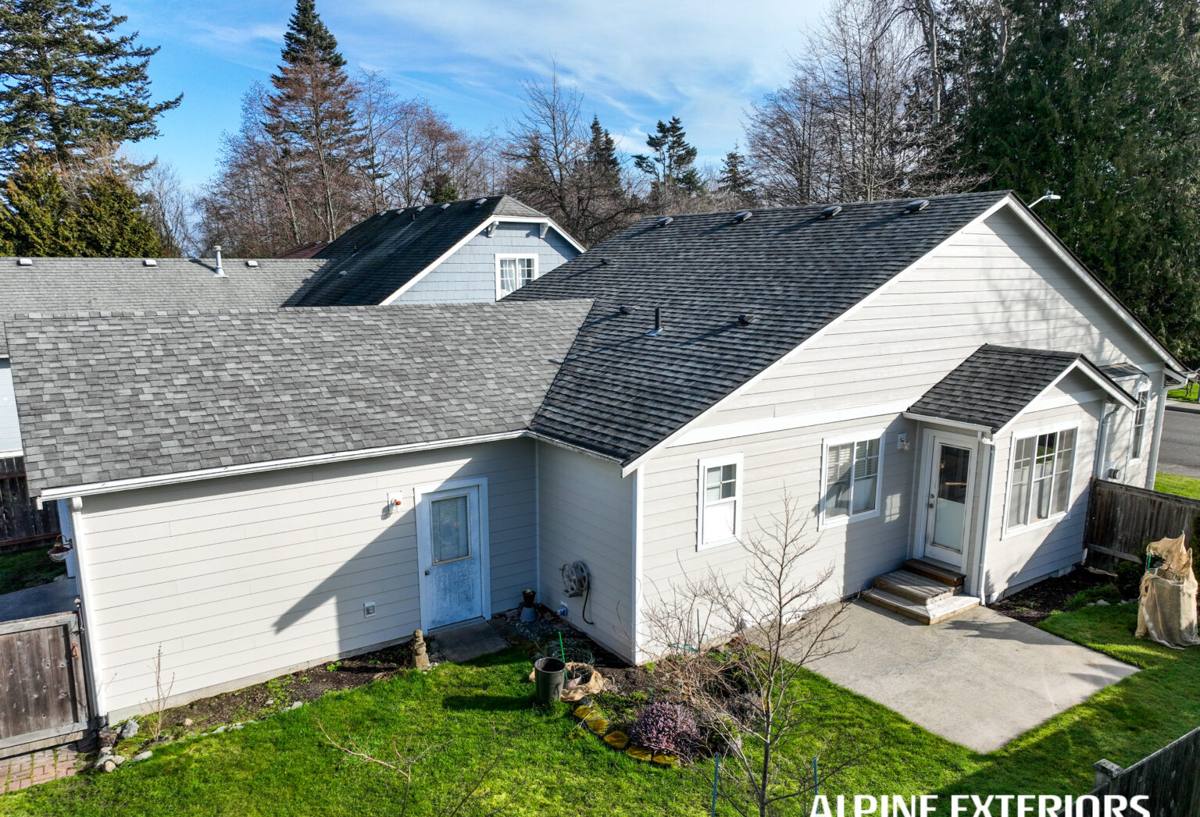
Homes in Lopez Village and across San Juan County don't get hammered by hurricanes or blistering heat. What they get instead is slower and, in some ways, harder on siding: near-constant marine humidity, salt-laden air coming off the water, driving winter rain that hits from every direction depending on the storm track, and long stretches of shade and dampness that let moss and algae take hold on anything that stays wet too long. It's a steady, patient kind of wear, and it adds up over the years in ways that show up as soft trim, streaked paint, and siding that looks tired long before the house itself is.
Siding that isn't matched to this environment doesn't fail overnight. It fails a little at a time — a swollen seam here, a moss-stained north wall there — until a homeowner is looking at a full re-side years earlier than they should have to. Getting the material and the installation right the first time matters more here than in a lot of the mainland markets we could be working in instead.
What Salt Air, Rain, and Moss Actually Do to a Home's Exterior
Salt air carries fine airborne salt that settles on exterior surfaces and accelerates corrosion of fasteners and metal flashing, and it can also draw moisture into porous materials, keeping them damp longer than a comparable home a few miles inland. Driving rain — rain pushed sideways by wind rather than falling straight down — finds its way into laps, seams, and trim joints that would stay dry in calmer weather, which is why flashing and water management details matter more on the islands than almost anywhere.
Moss and algae are a slower threat but a real one. San Juan County's tree cover, shaded exposures, and extended damp season give organic growth plenty of opportunity to establish itself on siding, especially on north- and west-facing walls that don't get much direct sun to dry out between rain events. Once moss gets a foothold, it holds moisture against the siding surface, which is bad news for any material that isn't dimensionally stable when wet.
Why We Install Only James Hardie Fiber Cement Here
We don't install LP SmartSide, vinyl, Cemplank, Allura, primed spruce, or cedar. That's not a marketing position — it's a standard we hold because of what we've seen this climate do to those materials over time. Wood-based products need consistent maintenance to keep moisture out of their edges. Vinyl can warp and doesn't hold paint if a homeowner wants to change color later. Other fiber cement brands may look similar on a spec sheet, but James Hardie is the manufacturer that has invested specifically in climate-engineered product lines, a factory-applied finish system, and installation standards we can stand behind.
James Hardie fiber cement is non-combustible, dimensionally stable in wet-dry cycles, and backed by a real transferable warranty when installed to the manufacturer's specification. For a home on Lopez Village that's going to sit in salt air and winter rain for the next several decades, that combination is the difference between siding that ages gracefully and siding that becomes a recurring project.
The HZ5 System, Built for This Kind of Exposure
James Hardie engineers its siding in regional formulations called HZ (HardieZone) products, matched to different climate zones across the country. For marine and high-moisture regions like the San Juan Islands, that means a formulation designed to resist moisture-related damage and hold up under freeze-thaw cycling combined with sustained dampness — exactly the combination Lopez Village sees most winters. It's not a generic siding board; it's a product built for this specific exposure.
What a Correct Installation Actually Involves
The product only performs as designed if it goes on correctly. Most siding problems we get called out to fix on the islands aren't material failures — they're installation shortcuts that let water in behind a system that was supposed to keep it out.
Moisture Management Comes First
Before a single board goes up, the wall needs a proper water-resistive barrier, correctly lapped and sealed, with flashing at every window, door, and horizontal transition. In a driving-rain climate, the siding itself is the second line of defense — the barrier behind it is what actually keeps the wall assembly dry when wind pushes water sideways.
Fastening and Gaps
James Hardie specifies exact fastener types, spacing, and clearances — including gaps at butt joints and around penetrations to allow for expansion and drainage. Skipping these details is the single most common cause of premature siding problems we see, and it's invisible from the ground once the job is finished, which is exactly why it's worth asking about before hiring anyone.
Trim, Caulking, and Touch-Up
ColorPlus finished boards are factory-cured, which means far less field caulking and touch-up than site-primed products — but the caulking that is required (at trim joints and penetrations) has to be a product compatible with the ColorPlus finish, or it will fail and stain long before the siding does.
How Siding Options Compare in San Juan County Conditions
| Material | Behavior in Salt Air & Driving Rain | Moss/Algae Resistance | Long-Term Maintenance |
|---|---|---|---|
| James Hardie Fiber Cement (HZ5) | Dimensionally stable, engineered for marine/high-moisture zones | Factory finish resists staining better than porous materials | Occasional wash; no repainting for years with ColorPlus |
| Vinyl Siding | Can warp or loosen under repeated wind-driven rain and temperature swings | Traps moisture at seams and J-channels | Low, but limited repair and no color-change option |
| Cedar / Primed Wood | Absorbs moisture at joints and end cuts; prone to swelling | Organic material is a natural host for moss and algae | Regular repainting, caulking, and rot inspection |
| LP SmartSide / Other Engineered Wood | Edge sealing is critical; failure points show up at cuts and seams | Moderate; depends on coating integrity over time | Ongoing edge and seam maintenance |
Our Process for Lopez Village Projects
Scheduling and Logistics
Working on the islands means planning around ferry schedules, material delivery windows, and weather gaps for exterior work — logistics that catch mainland-based crews off guard. A crew that already works San Juan County regularly builds material delivery, tool staging, and crew transport into the schedule from day one, instead of losing days to it mid-project.
The Work Itself
Every project starts with an honest look at the existing wall assembly — what's underneath the current siding matters as much as what goes on top of it. We address any moisture damage or barrier issues we find before installing the new system, install James Hardie to manufacturer specification including proper flashing and fastening, and finish with trim and caulking details matched to the ColorPlus finish.
Cleanup and Walkthrough
We clean the site thoroughly and walk the homeowner through the finished work, including what maintenance to expect and what's covered under the manufacturer's warranty.
What Homeowners Should Expect for Ongoing Maintenance
James Hardie siding, installed correctly, is genuinely low-maintenance — but "low" isn't "none," especially in a marine climate with moss pressure. A short, honest checklist:
- Rinse siding with a garden hose once or twice a year to remove salt residue and organic buildup, especially on shaded or north-facing walls
- Trim back vegetation and tree limbs that keep siding shaded and damp longer than necessary
- Inspect caulking at trim joints and penetrations every couple of years and replace if it's cracking or pulling away
- Watch gutters and downspouts for overflow that can wash directly onto siding during heavy rain events
- Address any moss growth early with a gentle wash rather than letting it establish and hold moisture against the surface
Why Hiring a Crew That Already Works Lopez Village Matters
Anyone can install siding on a calm day in a dry climate. Installing it correctly on a San Juan County home — accounting for wind-driven rain, salt exposure, and moss pressure, while also managing the real logistics of working on an island — takes a crew that has done it here before and knows what the manufacturer's spec actually requires in this environment. That's the standard we hold ourselves to on every Lopez Village home we work on, using one product system we trust enough to stand behind.
If you're weighing a siding replacement or want a second opinion on what your home actually needs, we're happy to take a look and put together a free, no-pressure estimate — just fill out the form below.