 Orcas Island Siding
 Siding Repair Built for the Cascade Lake Area
Cascade Lake sits inland on Orcas Island, tucked into the tree cover that surrounds Moran State Park, but "inland" on Orcas Island still means marine weather. Homes here get the same salt-laden air that moves off the Salish Sea, the same long stretches of driving rain through fall and winter, and a moss season that runs longer than most homeowners expect. Add in the deep shade thrown by second-growth fir and cedar around the lake, and you get siding conditions that are genuinely different from a house sitting in open sun near town. Siding repair in this neighborhood has to account for all of it, not just patch what's visible.
This page is about one job, done right, in one place: siding repair for homes in and around Cascade Lake. Not a full replacement pitch, not a generic "signs your siding is failing" list — a straight explanation of what damages siding out here, what a correct repair looks like, and how we approach the work when we're called out to this part of the island.
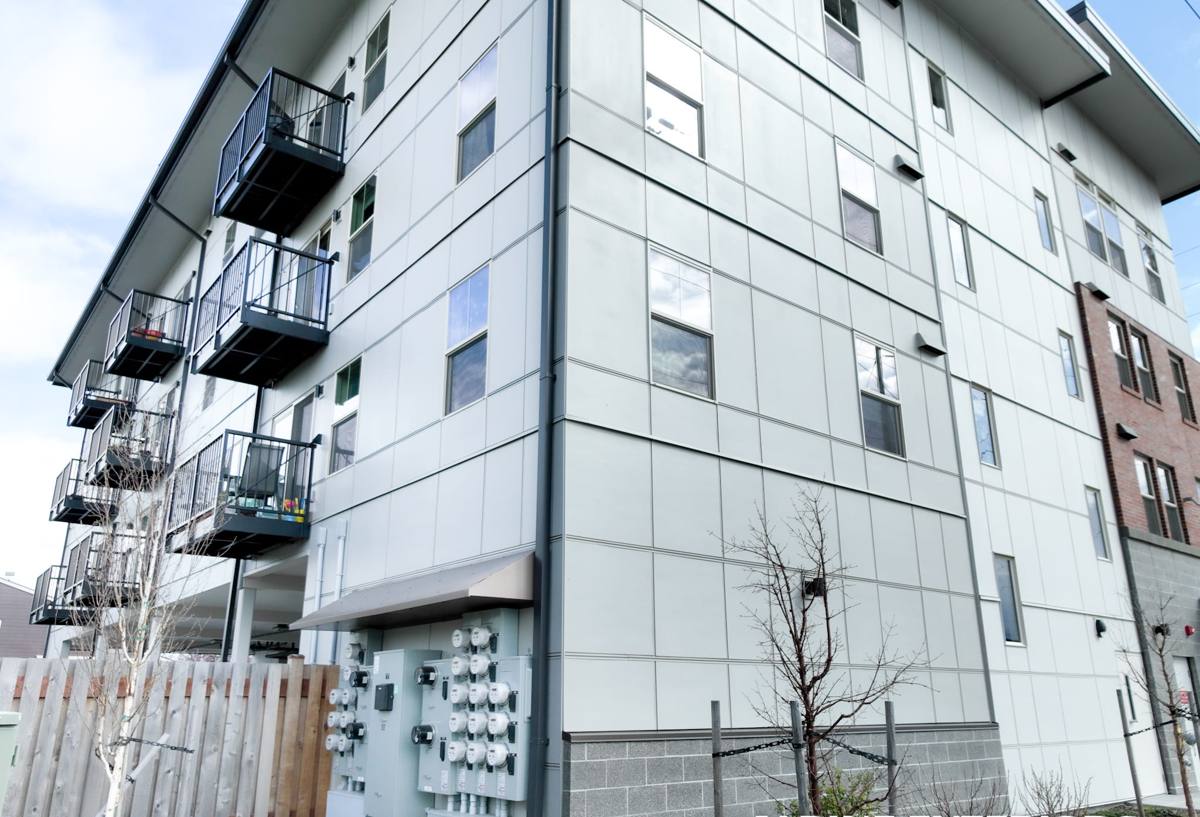
Why Cascade Lake Homes Wear Differently
Three things drive most of the siding problems we find around Cascade Lake, and they compound each other.
Salt Air, Even This Far From the Water
Orcas Island is small enough that salt-bearing air moves across the whole island, not just the shoreline. It settles into seams, fastener heads, and any spot where paint or factory finish has started to break down. On bare wood trim or older painted siding, that salt exposure speeds up finish failure and makes repainting a more frequent chore than homeowners on the mainland typically deal with.
Driving Rain and Wind-Driven Moisture
San Juan County storms don't just drop rain straight down — wind pushes it sideways, and sideways rain finds every gap in flashing, trim, and caulking that vertical rain would never reach. Around Cascade Lake, tree cover changes wind patterns block by block, so one side of a house can take a much harder beating than the others depending on how it sits relative to the tree line and the lake itself.
A Long Moss and Algae Season
The combination of shade, humidity, and slow-drying surfaces around the lake means moss and algae get a much longer growing window here than on an open, sun-exposed lot. Moss holds moisture against the siding surface far longer than open air would, and it's often the first visible sign that a wall isn't drying out properly between storms.
Common Siding Failures We See in This Area
Moisture Trapped Behind the Surface
The most serious repairs aren't cosmetic — they're moisture that's gotten behind the siding and stayed there. Once water is trapped against sheathing, it doesn't matter how good the siding material is; the wall assembly starts to fail from the inside out. This shows up as soft spots, discoloration at seams, or siding that feels spongy when pressed.
Moss and Algae Staining
Green or black staining, especially on north-facing walls or under tree canopy, is common around the lake. On its own it's often just a surface issue, but moss that's been left to grow for years can hold enough moisture to start breaking down caulking and paint underneath it.
Failed Caulking and Trim Joints
Caulk is the first line of defense at butt joints, window and door trim, and corner boards. Salt air and UV cycling break it down faster than most homeowners expect, and once it cracks or pulls away, wind-driven rain has a direct path behind the siding.
Impact and Age Damage
Storm debris, ladders, equipment, and simple age all cause cracked boards, dented panels, or split trim. These are usually straightforward repairs on their own — the risk is when they're left unaddressed and moisture gets in through the crack.
What a Correct Siding Repair Actually Involves
A repair that just covers the visible damage without checking what's underneath is a repair that fails again in a year or two. Here's what we actually do before we call a repair finished.
- Remove enough surrounding material to inspect the sheathing and house wrap behind the damaged area, not just the board itself.
- Check for soft or discolored sheathing, which signals moisture has already been sitting behind the siding.
- Confirm flashing above windows, doors, and any horizontal trim is intact and properly lapped — a lot of "siding failures" are actually flashing failures.
- Replace damaged material with matching product, not a mismatched patch that stands out or behaves differently in weather.
- Re-seal and re-caulk joints with a product rated for exterior, marine-climate exposure — not a bargain caulk that hardens and cracks within a couple of seasons.
- Address any moss or algae growth at the source, including trimming back vegetation that's keeping a wall in permanent shade and damp, where that's a factor.
Repair vs. Replacement: How We Make the Call
Not every problem calls for full replacement, and not every problem should be patched. We look at scope, not just symptoms.
| Situation | Usually Repair | Usually Replace |
|---|---|---|
| Damage location | Isolated to one or two boards or a single wall section | Spread across multiple walls or the whole exterior |
| Sheathing condition | Dry, solid wood behind the damaged area | Soft, discolored, or rotted sheathing found during inspection |
| Material age | Newer siding with an isolated defect or impact damage | Original siding at or past its expected service life |
| Moss/algae extent | Surface staining, siding underneath is sound | Long-term growth that's compromised caulking and finish over a large area |
| Underlying cause | A single, fixable source (bad caulk joint, one flashing gap) | Systemic issues — poor original installation, missing house wrap, chronic drainage problems |
When we're on-site, we're honest about which category a house falls into. If a repair will genuinely hold up, that's what we recommend and price. If the underlying problem is bigger than the visible damage, we'll tell you that too, rather than patch something that's going to fail again.
Our Repair Process for Cascade Lake Homes
1. On-Site Assessment
We walk the exterior, look at every elevation (not just the spot you called about), and check how the house sits relative to tree cover, prevailing wind, and sun exposure — all of which affect how it's aging.
2. Diagnosis, Not Just Description
We identify why the damage happened, not just what it looks like. A cracked board from a storm impact gets treated differently than a cracked board that split because moisture behind it has been swelling and shrinking the material for years.
3. A Clear, Written Scope
Before any work starts, you get a straightforward explanation of what's being repaired, what caused it, and what the fix involves — no vague line items.
4. The Repair Itself
We match materials and finish as closely as possible, seal properly, and confirm flashing and drainage are correct before closing the wall back up.
5. A Practical Maintenance Note
Because of how moss and moisture behave around the lake, we'll tell you if there's anything worth watching — a shaded wall that dries slowly, vegetation worth trimming back, or a spot to keep an eye on next wet season.
Why We Repair With — and Recommend — James Hardie Fiber Cement
We install and repair exclusively with James Hardie fiber cement siding. We don't install vinyl, LP SmartSide, or primed wood siding, and when a repair calls for replacing a section, matching into non-Hardie product is a compromise we try to avoid recommending long-term. Fiber cement is non-combustible, holds paint and factory ColorPlus finish far longer than wood or engineered wood products in a wet, shaded climate like this one, and doesn't absorb moisture the way wood-based sidings do — which matters directly for a moss-prone, high-rain area like Cascade Lake. Hardie's HZ5 product line is engineered specifically for climates with heavy moisture exposure, and it comes with a strong transferable warranty when installed to spec. That's not a sales pitch — it's the practical reason we stand behind repairs done in this material and are cautious about patching into anything that won't hold up the same way over the next storm season.
Choosing a Repair Contractor Who Knows This Area
Orcas Island isn't a place where a mainland contractor's general playbook always applies. A crew that regularly works Cascade Lake and the surrounding area already knows how shade patterns, salt exposure, and moisture behave differently block to block — that's knowledge you don't get from a one-time visit.
- Ask whether they've worked on Orcas Island specifically, not just "the San Juans" broadly — logistics, material access, and scheduling all differ island to island.
- Ask what they check behind the siding, not just what they replace on the surface.
- Ask what material they're repairing with and why — and whether it matches what's already on the house.
- Ask for a written scope before work starts, including what caused the damage.
- Ask how they handle moss and vegetation contributing to the problem, not just the siding symptom.
- Confirm they're licensed and insured to work in Washington State.
Keeping Repaired Siding Sound Through Future Moss Seasons
A good repair should hold up, but a little seasonal attention goes a long way in this climate. Rinsing moss and algae growth off siding before it gets a foothold, keeping gutters clear so water isn't sheeting down walls, and trimming back vegetation that's shading a wall year-round all reduce the chance of the same problem coming back. If you notice a caulk joint cracking, a board feeling soft, or new staining appearing after a repair, catching it early is a much smaller job than waiting until the next wet season has had time to work on it.
If you're seeing damage, staining, or soft spots on your Cascade Lake home's siding, we're happy to take a look and give you a straight answer about what it needs. Request a free, no-pressure estimate below and we'll walk the exterior with you in person.