 Orcas Island Siding
 Why Eastsound Homes Wear Out Siding Faster Than the Mainland
Eastsound sits close to the water on Orcas Island, and that proximity shapes everything about how siding ages here. Salt-laden air drifts in off the bays and coves, settling on exterior walls and slowly working into seams, fasteners, and any spot where a coating has started to fail. Add in the long stretch of wet months typical of San Juan County, where driving rain comes in sideways during winter storms, and you have a climate that punishes any siding material with a weak point. Homes tucked under tree cover — common throughout the island — also deal with a long moss and algae season, since shaded, damp wall surfaces rarely get enough sun exposure to dry out between rain events.
None of this means siding is doomed on Orcas Island. It means the material and the installation both have to be matched to the environment. A product that performs fine in a dry inland climate can struggle here, and an installation that would pass inspection elsewhere can trap moisture behind the cladding in a marine setting. When we replace siding in Eastsound, we're not just swapping old boards for new ones — we're correcting for the specific ways this climate attacks a wall system.
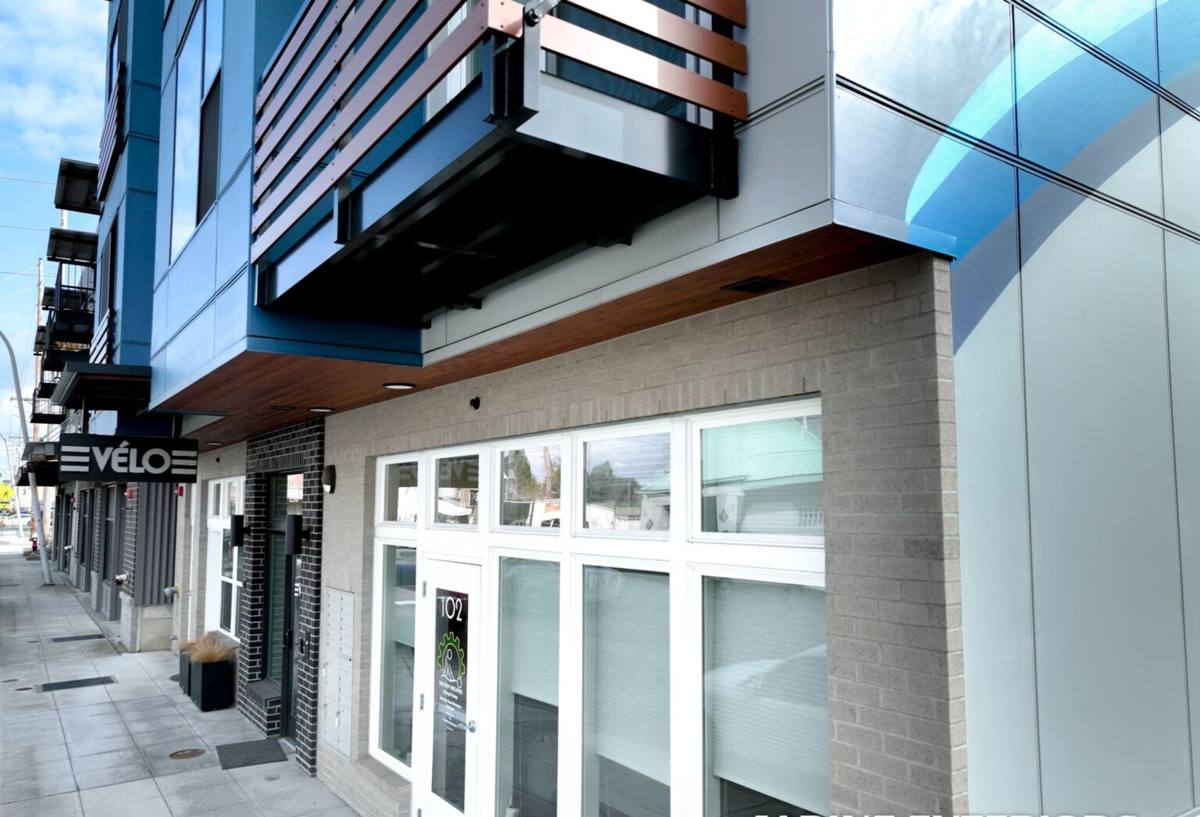
Signs a Eastsound Home Needs Full Replacement, Not a Patch
Homeowners often call us thinking they need a few boards repaired, and sometimes that's true. But certain patterns point to a system-wide problem that a patch job won't fix.
- Soft or spongy siding when pressed, especially near the bottom courses or around window trim
- Persistent moss or algae growth that returns within weeks of cleaning
- Visible cupping, warping, or delamination across multiple wall sections
- Paint that's failing evenly across the whole house rather than in one isolated area
- Musty smells or discoloration on interior walls that back up to exterior siding
- Rot found at one penetration point (a hose bib, vent, or corner) that suggests moisture has been getting behind the cladding for years
That last one is the big one. If we open up a wall and find rot at a single penetration, the honest question isn't "can we patch this spot" — it's "how long has water been getting in, and how far has it traveled behind the siding." On older homes with original wood or engineered wood siding, moisture damage frequently extends well beyond what's visible from the outside, which is why a proper inspection during the estimate matters more than a quick look from the driveway.
What a Correct Siding Replacement Involves
Tear-Off and Substrate Inspection
We remove the old siding down to the sheathing and inspect what's underneath before anything new goes up. This step gets skipped by contractors trying to move fast, and it's the single biggest reason siding jobs fail early in a wet climate like this one. Rotted sheathing, compromised framing, or missed water damage from a previous roof or window leak all need to be addressed before new siding goes on — covering a hidden problem with new cladding just delays the failure and hides it from view.
Water-Resistive Barrier and Flashing
A weather-resistive barrier goes over the sheathing, with flashing detailed at every window, door, and roof-to-wall intersection. In a location that sees regular driving rain off the water, flashing details are what actually keep bulk water out — the siding itself is the second line of defense, not the first. We pay particular attention to head flashing above windows and kick-out flashing where roof lines meet walls, since these are the spots we see fail most often on older Orcas Island homes.
Rain Screen and Drainage Gap
Depending on the wall assembly, we install furring strips or a purpose-built rain screen product to create a drainage gap behind the siding. This gap lets any moisture that does get past the cladding drain and dry out instead of sitting against the wall. In a climate with a long wet season and heavy salt air, that ventilation gap is what separates siding that lasts decades from siding that starts showing problems in five to seven years.
Fastening and Installation to Spec
James Hardie publishes specific fastening patterns, clearances, and joint treatment requirements for its HZ10 climate zone products, and we install to those specs rather than cutting corners on nail spacing or gap tolerances. Correct fastener type matters too — the wrong fastener in a salt-air environment can corrode and stain the siding face within a few years, well before the siding itself would otherwise need attention.
Why We Install Only James Hardie Fiber Cement
We standardized on James Hardie siding for every replacement job we do, including here in Eastsound, and we don't install vinyl, LP SmartSide, or other engineered wood products. That's not a marketing position — it's based on what holds up in this specific climate.
Fiber cement is non-combustible, which matters increasingly to insurers and homeowners on the islands. It doesn't absorb moisture the way engineered wood products can, so it doesn't swell, delaminate, or feed rot at cut edges and seams the way wood-based sidings can when water finds a way in — and in a climate with this much sustained damp weather, that difference shows up over time, not immediately. Hardie's ColorPlus factory finish is baked on and warrantied against fading, which matters on an island where a lot of homes go years between repaint cycles simply due to access and cost of getting painting crews out.
We also like that Hardie's HZ10 line is engineered specifically for wet, marine-influenced climates like this one — it's not a generic product sold everywhere, it's built with moisture exposure in mind. Combined with a strong transferable warranty, it's the product we're comfortable standing behind on a house that's going to face fifty-plus inches of annual rain and constant salt air for the next several decades.
Comparing Siding Approaches for a Marine Climate
| Factor | James Hardie Fiber Cement (HZ10) | Engineered Wood / Vinyl |
|---|---|---|
| Moisture response | Does not swell or absorb water at cut edges | Can swell, delaminate, or wick moisture at seams |
| Salt air / coastal durability | Engineered for marine exposure zones | Not typically rated for coastal salt exposure |
| Fire rating | Non-combustible | Combustible (wood-based) or heat-sensitive (vinyl) |
| Finish longevity | Factory ColorPlus finish, warrantied against fade | Field-painted or molded color, more frequent repainting |
| Moss/algae resistance | Dense, low-porosity surface resists growth | More porous surfaces can hold moisture and organic growth |
| Typical service life when installed to spec | 30+ years | Varies widely, often shorter in wet climates |
Cost Factors for a Eastsound Siding Replacement
Every home is different, so we won't quote a number without seeing the house, but a few factors consistently move the price up or down on Orcas Island jobs specifically:
- Substrate condition: hidden rot found during tear-off adds labor and material to repair before new siding goes on
- Access and staging: waterfront lots, steep driveways, or limited equipment access on some Eastsound properties can affect labor time and material delivery logistics
- Home size and wall complexity: more corners, dormers, and trim details mean more cutting, fitting, and flashing work
- Siding profile choice: lap siding, shingle-style panels, and board-and-batten all install differently and price differently
- Trim and accessory work: window and door trim, corner boards, and fascia are often replaced or refreshed alongside the siding itself
- Seasonal scheduling: the wet season limits install windows for weather-sensitive steps like barrier and flashing work, which can affect scheduling but shouldn't affect quality if the crew plans around it
Our Process, Start to Finish
- On-site evaluation: we walk the exterior, check for soft spots, and look at trouble areas like penetrations, roof-wall intersections, and grade-level siding
- Written estimate: a clear scope of work, material selection, and price range before anything is scheduled
- Tear-off and inspection: old siding comes off, sheathing and framing get inspected, and any repairs are documented and discussed with the homeowner before covering them back up
- Barrier, flashing, and drainage installation: the water management layer goes in correctly, since this is what actually protects the wall long-term
- James Hardie installation: siding is installed to manufacturer spec for fastening, clearances, and joint treatment
- Final walkthrough: we go over the finished work with the homeowner and address any questions before calling the job complete
Why Hiring a Crew That Already Works This Island Matters
Siding work in Eastsound isn't the same job as siding work in a dry inland town. A crew that mostly works other climates may not think twice about drainage gaps, flashing details at wall penetrations, or fastener corrosion resistance — details that are optional in a dry climate and mandatory here. A crew that regularly works San Juan County jobs already accounts for barge and ferry delivery timing on materials, plans around the wet season for weather-sensitive install steps, and has seen firsthand what happens to siding that wasn't detailed correctly for salt air and driving rain. That local pattern recognition is worth something you can't fully get from a general contractor passing through on a one-off job.
It also matters for warranty support. If something needs attention down the road, a contractor with an ongoing presence on the island is a lot easier to reach than one based hours away by ferry.
What to Ask Before Hiring Anyone for This Job
Whether you go with us or another contractor, a few questions separate a properly detailed siding job from one that will show problems in a few years:
- Will you inspect and document the sheathing condition before installing new siding?
- What water-resistive barrier and flashing products do you use, and how are they detailed at windows and roof lines?
- Is a drainage gap or rain screen included, or is siding fastened directly to the barrier?
- What fastener type do you use, and is it rated for coastal or marine exposure?
- What does the manufacturer's warranty cover, and does it transfer if the home is sold?
If you're weighing a siding replacement on your Eastsound property, we're glad to come take a look and walk you through what we're seeing and what it would take to do the job right. There's no pressure and no cost for the estimate — just a straightforward assessment and a clear scope of work if you decide to move forward.