 Orcas Island Siding
 Storm Damage Roof Repair Built for the Cascade Lake Area
Homes around Cascade Lake sit in one of the more heavily wooded, moisture-heavy pockets of Orcas Island. Between the tree canopy ringing the lake, the elevation change up toward Mount Constitution, and the marine weather that rolls through San Juan County most of the year, roofs here take a different kind of beating than roofs in town or along the open shoreline. Wind-driven rain finds its way under lifted shingles, falling branches and debris crack ridge caps and flashing, and shaded roof slopes near the lake grow moss faster than almost anywhere else on the island. Storm damage repair out here isn't a generic patch job — it has to account for all of that, or the same problem comes back with the next storm.
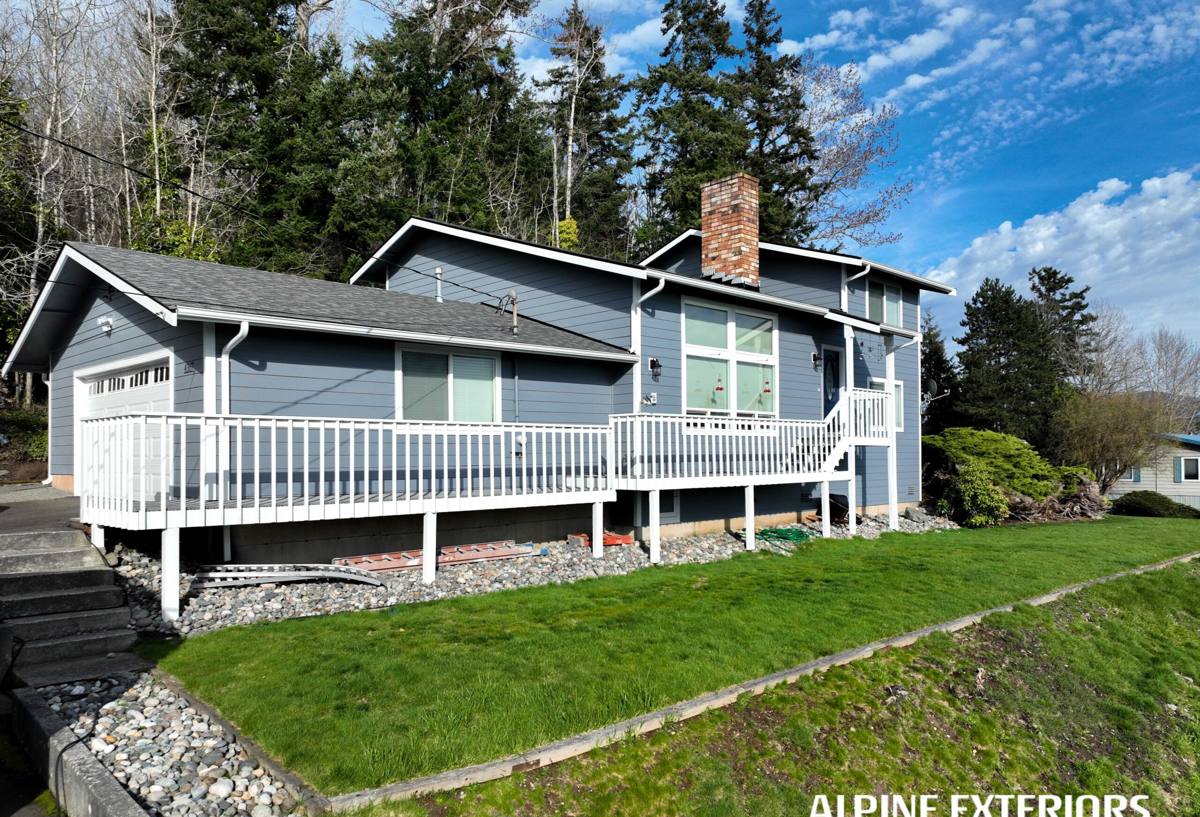
Why This Location Is Hard on a Roof
Tree Cover and Falling Debris
The forested terrain around Cascade Lake means most homes have limbs, needles, and cones landing on the roof year-round, and that load increases sharply during wind events. Even a moderate windstorm can drop enough debris to crack shingles, dent metal panels, or knock loose a section of ridge cap. The damage is often small and localized at first — which is exactly why it gets missed until it turns into a leak.
Driving Rain and Wind-Driven Moisture
Orcas Island storms typically come in off the water with real wind behind the rain, not just straight-down rainfall. Wind-driven rain gets pushed sideways and upward under shingle edges, around chimney flashing, and into any gap that a calmer rain would never reach. A roof that's watertight in a light drizzle can still leak badly in a driving storm if flashing and shingle laps weren't installed with that wind direction in mind.
Salt Air and Moss Season
Being part of San Juan County's marine environment, homes near Cascade Lake still get exposure to salt-laden air, which accelerates corrosion on exposed nails, flashing, and metal roofing over time. Combine that with the long moss season — shaded, damp roof slopes under the tree canopy can stay wet for months at a stretch — and you get a roof surface that's constantly under low-grade attack even between storms. Moss doesn't just look bad; it holds moisture against the roofing material and lifts shingle edges, which is often the starting point for storm damage that shows up later.
What Storm Damage Actually Looks Like
Most storm damage isn't a dramatic hole in the roof. It's smaller and easier to miss, which is why homeowners often don't realize repair is needed until there's a stain on the ceiling. Signs worth taking seriously include:
- Granules collecting in gutters or at downspout outlets after a storm
- Shingles that look lifted, curled, or slightly out of line at the edges
- Cracked, bent, or missing pieces of flashing around chimneys, vents, or skylights
- Dented or creased metal roofing panels
- New moss growth concentrated in one area, which can mean water is sitting there longer than it should
- Any ceiling stain, musty smell in an upper room, or soft spot noticed after a storm
What a Correct Repair Actually Involves
A storm damage repair that holds up here has to do more than cover the visible problem. We treat every call as three separate questions: what broke, what let water in, and what condition is the surrounding roofing in. Skipping any one of those is how a "quick fix" turns into a callback six months later.
Full Assessment, Not Just the Obvious Spot
Wind and impact damage rarely stay in one tidy area. We check the full roof plane the damage is on, not just the spot that's visibly broken, because a storm strong enough to crack one shingle usually stressed the ones around it too.
Matching Underlayment and Flashing Work
If water got past the shingles, the underlayment beneath it may already be compromised, and flashing around penetrations is often the actual failure point even when shingles get the blame. We address the flashing and underlayment, not just the top layer, so the repair actually stops water rather than just hiding the symptom.
Moss and Debris Cleared Before Patching
Given how much moss and organic debris builds up on shaded roofs near the lake, we clear the area properly before doing repair work. Patching over moss or trapped debris just traps moisture under the new material and shortens the life of the repair.
Roofing Materials and How They Handle Storm Exposure
The right repair approach depends partly on what's already on the roof. Here's how the common options handle the wind, moisture, and moss conditions typical around Cascade Lake:
| Material | Storm/Wind Resistance | Moss & Moisture Behavior | Repair Considerations |
|---|---|---|---|
| Asphalt composition shingle | Good when properly nailed and sealed; vulnerable at lifted edges | Prone to moss in shaded, damp areas without maintenance | Most common; matching existing shingle age/color can be a factor |
| Metal panel roofing | Very strong against wind uplift when properly fastened | Resists moss well but can corrode faster in salt air if coatings are compromised | Dents and fastener issues need prompt attention to avoid leaks |
| Cedar shake | Moderate; individual shakes can crack or blow loose | High moisture retention, needs regular moss and debris removal | Requires careful matching and more frequent maintenance in this climate |
| Synthetic/composite shingle | Generally strong impact and wind ratings | Low moss susceptibility compared to wood | Repairs typically straightforward if product is still in production |
Why We Steer Homeowners Away from Certain Repairs
We won't recommend a surface-only patch on a roof with underlying moisture damage, even if it's cheaper and faster. It's a maintenance and warranty issue more than anything else — patching over a wet deck or degraded underlayment just means the same failure resurfaces, usually in the next storm, and any manufacturer warranty on the roofing material typically won't cover damage tied to trapped moisture. We'd rather explain the honest scope of the repair upfront than have a homeowner pay twice.
Our Storm Damage Repair Process
- Free on-site inspection of the damaged area and the surrounding roof plane
- Photo documentation of the damage, useful for insurance claims if needed
- Clear explanation of what's actually causing the leak or vulnerability, not just what's visible
- Written estimate covering the repair scope, materials, and timeline
- Repair work, including flashing, underlayment, and shingle or panel replacement as needed
- Final check for matching debris and moss buildup nearby that could cause a repeat problem
Insurance and Documentation
Many storm damage repairs around Orcas Island end up going through a homeowner's insurance claim, especially after a named windstorm or significant weather event. We document damage with photos and a written description of cause and scope, which homeowners can use when filing. We're not a public adjuster and won't guarantee how a claim is handled, but having a clear, honest record of the damage from a contractor who inspected it in person makes that process smoother.
What to Check After a Storm
A quick homeowner check after any significant wind or rain event can catch problems before they turn into interior damage. Worth looking at:
- Gutters and downspouts for granule buildup, debris, or disconnection
- Visible roof edges and ridge lines for lifted or missing pieces
- Ceilings and attic spaces (if accessible) for new staining, dampness, or odor
- Areas around chimneys, skylights, and vent pipes for shifted flashing
- Any tree limbs that came down on or near the roof, even if no damage is obvious yet
If anything on that list looks off, it's worth having it looked at before the next storm rather than after.
Why Local Experience Around Cascade Lake Matters
A crew that hasn't worked this specific pocket of Orcas Island will treat every roof the same way. A crew that already works around Cascade Lake knows which roof slopes hold moss the longest, which flashing details tend to fail first under wind-driven rain, and how tree cover in this area changes what "storm damage" usually looks like compared to a roof out on the open shoreline. That local pattern recognition is often the difference between a repair that solves the problem and one that just delays it. It also means less guesswork on access — getting equipment and materials to homes around the lake, and working around the ferry schedule for supply runs, is something we've already got figured out.
If a recent storm left damage on your roof, or you're not sure whether what you're seeing needs attention, we're happy to take a look. Estimates are free and there's no pressure — just an honest read on what's going on and what it would take to fix it right. Use the form below to get in touch.