 Orcas Island Siding
 Siding Replacement Built for Lopez Island's Marine Climate
Lopez Island sits low and open compared to its neighbors in the San Juans, which means more direct exposure to wind off the water and less tree cover to break up salt-laden air. Homes here take a steady beating from three things at once: salt spray that works into seams and fasteners, driving rain that comes in sideways during winter storms, and a long, damp moss season that can stretch from fall through spring. Siding that isn't built for that combination fails early — and it usually fails from the inside out, long before it looks bad from the curb.
We install James Hardie fiber cement siding on Lopez Island homes because it's engineered to handle exactly this kind of exposure. This page walks through what a siding replacement actually needs to accomplish here, what correct installation looks like, and how our process works from first look to final walk-through.
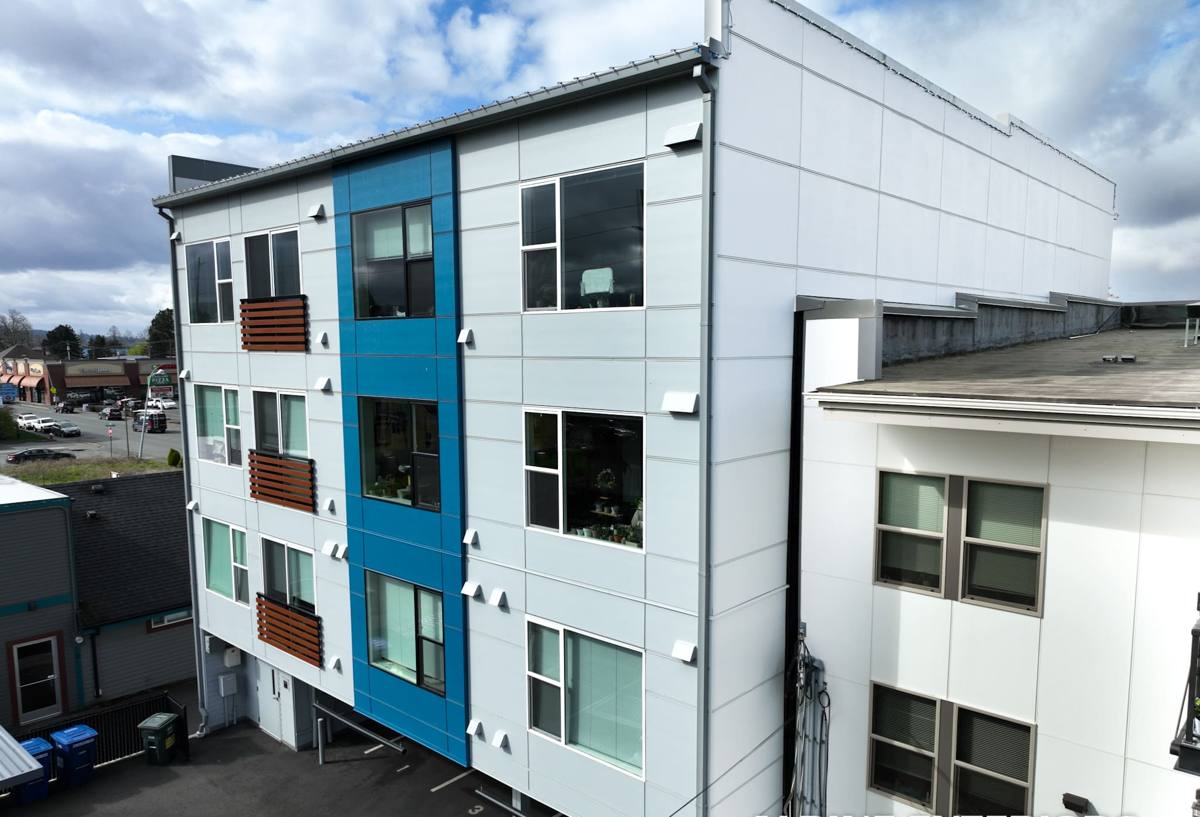
What San Juan County's Climate Does to Siding
Salt Air and Corrosion
Airborne salt doesn't just sit on the surface — it settles into every crack, fastener head, and panel gap it can reach. On untreated or poorly sealed siding, that salt accelerates corrosion of nails and trim fasteners and speeds up the breakdown of paint films and caulk joints. Over years, that shows up as rust streaking, loosened panels, and cracked caulk lines that let water behind the siding.
Driving Rain and Wind-Driven Moisture
Lopez Island's open exposure means rain rarely falls straight down — it's pushed sideways by wind coming off the water. That matters because siding systems rely on lapped joints and proper flashing to shed water outward, not just downward. Wind-driven rain finds every shortcut: unflashed butt joints, under-caulked trim, siding installed too close to grade. Once moisture gets behind the cladding, it doesn't dry out quickly in this climate — it sits, and that's when rot and mold set in.
Moss and Sustained Dampness
The long wet season on the island keeps humidity high and surfaces damp for extended stretches, especially on north-facing walls and areas shaded by trees or neighboring structures. Moss and algae thrive in that environment, and on wood-based or wood-composite siding, sustained moss growth holds moisture directly against the material, which is one of the more common paths to rot in this region.
Why Product Choice Matters More Here Than in Drier Climates
In a dry inland climate, a wider range of siding products can perform acceptably for a long time. On Lopez Island, the margin for error is smaller. Products that rely on paint film integrity, wood fiber content, or vinyl's flexibility to hold up over time tend to show their weaknesses faster here — cracked caulk joints open sooner, moisture-sensitive substrates swell or rot sooner, and UV/salt exposure degrades finishes sooner.
That's the core reason we standardized on James Hardie fiber cement and don't install vinyl, LP SmartSide, primed spruce, cedar, or other fiber cement brands. Fiber cement itself isn't unique to Hardie, but the combination of a factory-baked ColorPlus finish, HZ5 engineering for cold, wet climates, and a strong transferable warranty is what we're willing to stand behind on a house that's going to face this kind of weather for decades.
| Climate Stress | What It Does Over Time | How Hardie Fiber Cement Responds |
|---|---|---|
| Salt air | Corrodes fasteners, breaks down paint and caulk | Non-organic composition resists salt-driven degradation; factory finish holds up longer than field-applied paint |
| Driving rain | Pushes water behind panels at weak joints | Engineered lap profile and proper flashing details are built into correct installation |
| Moss and sustained damp | Holds moisture against wood-based substrates, feeding rot | Fiber cement doesn't feed fungal growth the way wood or wood-composite substrates can |
| UV and temperature swings | Fades and chalks paint, causes expansion stress | ColorPlus finish is formulated and warrantied for UV stability; HZ5 line is engineered for freeze-thaw and moisture cycling |
What a Correct Siding Replacement Involves
Replacing siding on a Lopez Island home isn't just swapping old panels for new ones. The parts that determine whether the job lasts 10 years or 40 are mostly invisible once it's done.
Tear-Off and Inspection
Once the old siding is off, we inspect the sheathing and framing underneath for rot, soft spots, or prior water damage — which is common to find on homes that have had years of wind-driven rain working at weak joints. Any damaged material gets repaired or replaced before new siding goes on. Covering over rot is the single most common shortcut that leads to callbacks.
Weather-Resistive Barrier
A properly lapped, sealed weather-resistive barrier goes on the sheathing before siding. This is the layer that actually stops bulk water that gets past the cladding — the siding is the first line of defense, not the only one.
Flashing Details
Windows, doors, deck ledgers, and any wall penetrations get flashed to direct water outward and downward, never trapping it against the wall assembly. In a climate with this much driving rain, flashing quality is often the difference between a wall that dries out fine and one that rots from behind.
Correct Fastening and Clearances
Hardie siding has specific fastener spacing, nailing patterns, and minimum clearances from grade, roof lines, and decks. Getting these wrong is a common cause of premature failure — clearance mistakes especially, since siding installed too close to grade or a roofline stays damp far longer than it should.
Joint and Seam Treatment
Butt joints and trim seams get treated per manufacturer spec, not just caulked and painted over. On a house exposed to salt air and wind-driven rain, seam quality is one of the first things to fail if it's done wrong.
Signs Your Lopez Island Home May Need Siding Replacement
- Visible cracking, buckling, or warping in siding panels, especially on the windward or north-facing walls
- Persistent moss or algae growth that returns quickly after cleaning
- Soft or spongy spots when you press on the siding near the bottom edges or trim
- Paint that's peeling, bubbling, or chalking faster than a normal repaint cycle
- Rust streaking below fasteners or trim pieces
- Rising interior heating costs or drafts near exterior walls, which can point to a compromised water/air barrier
- Visible gaps opening up at butt joints, corners, or trim over time
Our Process for a Lopez Island Siding Replacement
1. On-Site Assessment
We walk the exterior, note existing damage, check clearances and drainage around the foundation, and talk through what's driving the need for replacement — age, damage, moisture issues, or just wanting a system that will actually hold up to the island's weather.
2. Scope and Estimate
You get a clear, written estimate covering tear-off, any substrate repair we anticipate, the Hardie product line and profile that fits the home, and the timeline. No pressure, no upsell games.
3. Tear-Off and Repair
Old siding comes off, sheathing and framing get inspected, and any rot or damage gets addressed before anything new goes up.
4. Weather Barrier and Flashing
The water-management layer goes in correctly before a single piece of siding is hung.
5. Hardie Installation
Panels are installed to manufacturer spec — fastening pattern, clearances, joint treatment — with the HZ5 product line specified for this climate zone.
6. Final Walk-Through
We walk the finished job with you, point out the details that matter (clearances, joint work, trim), and make sure you're clear on what warranty coverage applies.
Getting Siding Work Done on Lopez Island
Ferry-dependent access is a real logistical factor for exterior contractors working the San Juans, and it affects scheduling, material delivery timing, and how efficiently a crew can work once they're on-island. A crew that already works Lopez Island and the broader Orcas Island area has that logistics figured out — material orders timed to ferry schedules, crew days planned to make the most of time on the island, and familiarity with the specific wind and moisture exposure patterns that differ block to block depending on how open or sheltered a property is. That local experience shows up in fewer surprises and a smoother project, not just a nicer sales pitch.
What Affects the Cost of a Siding Replacement
| Factor | Why It Matters |
|---|---|
| Home size and complexity | More wall area, corners, and trim detail means more material and labor |
| Condition of existing sheathing | Rot or water damage found during tear-off adds repair scope |
| Siding profile and finish choice | Lap width, shingle-style panels, and trim options vary in material cost |
| Access and site conditions | Ferry logistics, driveway access, and staging space affect labor efficiency |
| Existing drainage and clearance issues | Grading, deck, or roofline corrections needed for proper clearance add scope |
We give a specific, written number after seeing the actual house — broad ballpark ranges without an on-site look aren't useful to you, and we'd rather not guess.
If your Lopez Island home is due for new siding, or you're seeing early signs of moisture or moss damage, we're happy to take a look. Reach out using the form below for a free, no-pressure estimate.