 Orcas Island Siding
 Siding Repair on Shaw Island: A Different Kind of Job
Shaw Island sits in the heart of San Juan County, reachable only by ferry or private boat, which changes how siding repair work has to be planned and executed. There's no running to a supply house twenty minutes away if the wrong material shows up, and there's no quick second trip if a crew underestimates a job. Every repair here has to be scoped correctly the first time, with materials and tools loaded before the ferry leaves the dock. That logistics reality is part of why so many Shaw Island homeowners end up with siding problems that dragged on longer than they should have — a mainland contractor unfamiliar with island scheduling either overbids to cover their uncertainty or underprepares and leaves a job half-finished.
The physical damage itself is familiar to anyone who has spent time on a saltwater island in the Pacific Northwest. Salt-laden air moves across Shaw Island off the surrounding straits and channels, settling into siding seams, fastener heads, and any spot where the protective finish has worn thin. Combine that with the long, wet Pacific Northwest winters — driving rain that comes in sideways during a southerly blow — and you get moisture intrusion that shows up as soft spots, staining, and swelling long before most homeowners notice a problem from the ground.
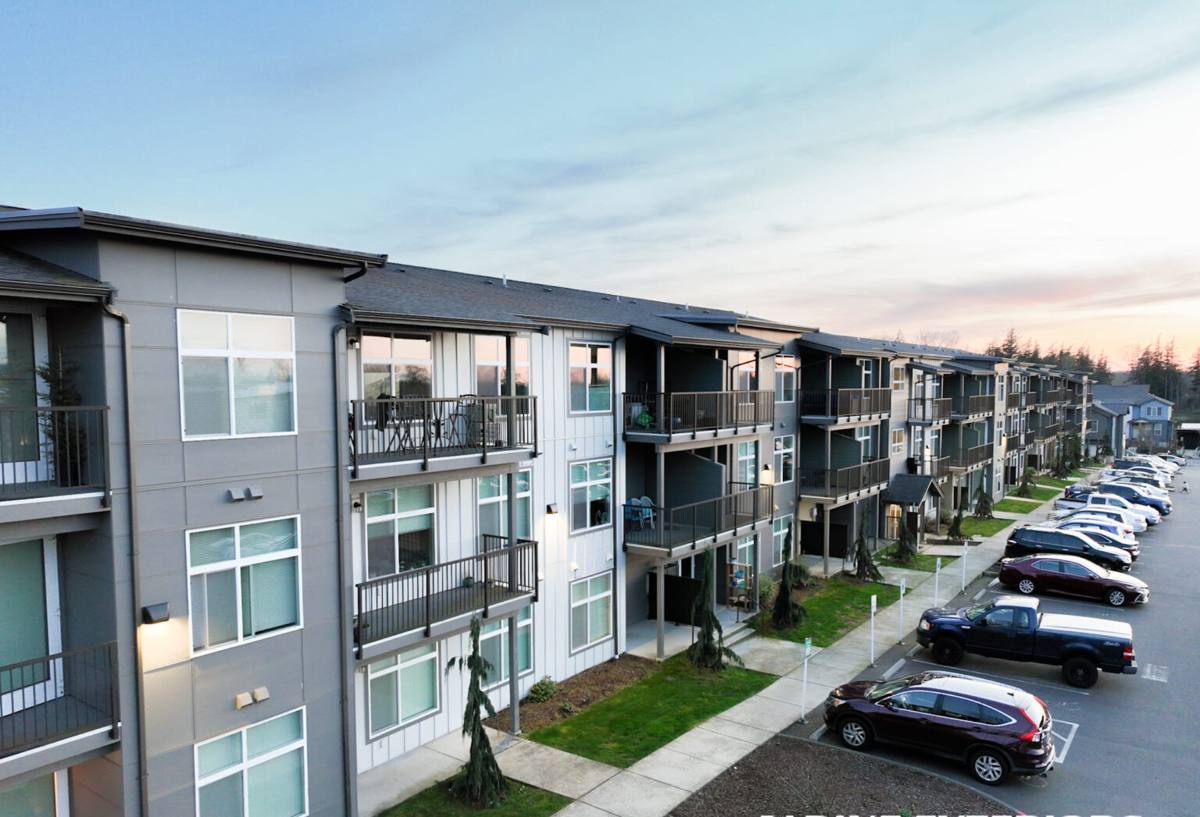
Why Shaw Island Siding Fails Faster Than People Expect
Salt Air and Metal Fasteners
Nails, screws, and flashing that aren't corrosion-resistant start to degrade in a salt air environment well before they would on a comparable inland property. Once a fastener corrodes, it loses grip, and the siding panel it's holding starts to work loose. That movement opens tiny gaps at panel edges and seams — gaps that are invisible from a normal viewing distance but are exactly where wind-driven rain gets pushed in.
Moss, Shade, and Trapped Moisture
San Juan County's tree cover means a lot of Shaw Island homes sit in partial or full shade for large parts of the day, especially on north-facing walls and under overhangs. Shade plus persistent moisture is exactly what moss and algae need to establish. Once moss gets a foothold on a siding surface or in a seam, it holds water against the material far longer than open air-drying would allow, and it can physically wedge panels or trim apart over time.
Freeze-Thaw and Seasonal Swelling
The islands don't see the hard freezes of the Cascades or eastern Washington, but temperatures still dip below freezing on winter nights, and any siding material that has already absorbed moisture is vulnerable to that freeze-thaw cycle. Water expands as it freezes, and repeated cycles widen cracks and separations that started out small.
What a Correct Shaw Island Siding Repair Actually Involves
A repair that just patches the visible symptom is a repair that fails again within a season or two. On Shaw Island specifically, we treat every repair call as an opportunity to check the surrounding conditions that caused the damage in the first place, not just the damaged board or panel itself.
- Identify the actual moisture source — a failed seal, a corroded fastener, a clogged gutter dumping water onto a wall, or a grading issue pushing splash-back onto the lower courses
- Remove and inspect behind the damaged siding, checking the house wrap or weather barrier for tears, gaps, or saturation
- Check for rot in the sheathing or framing behind the siding — this is the step that gets skipped by crews trying to do a fast patch, and it's the step that determines whether the repair actually lasts
- Match or replace fasteners with corrosion-resistant hardware rated for coastal exposure
- Reseal and re-flash properly at seams, corners, and penetrations rather than relying on caulk alone
- Clean surrounding moss and algae growth and address the shade or drainage condition feeding it, where practical
- Confirm the repaired section matches the surrounding siding in profile, reveal, and finish so it doesn't stand out as a patch job
Repair vs. Replace: How We Make the Call
Not every damaged section needs a full re-side, and we don't push a whole-house replacement when a targeted repair will genuinely hold up. But we also won't patch over a problem that's going to resurface in eighteen months. The honest answer usually comes down to how much of the underlying structure has been compromised and how much of the siding system is original versus already-patched.
| Condition | Repair Often Makes Sense | Replacement Should Be Considered |
|---|---|---|
| Damage extent | Isolated to one or two wall sections | Recurring damage across multiple elevations |
| Sheathing/framing | Dry, sound wood behind the siding | Soft, discolored, or rotted sheathing found |
| Siding age | Newer material, still within its service life | Original siding is decades old and failing broadly |
| Prior repairs | First repair on this section | Section has already been patched once or twice |
| Material type | Sound fiber cement or comparable durable material | Product prone to moisture absorption or delamination |
Where Siding Material Choice Comes Into Play
When a repair does reveal enough underlying damage that replacement of a section — or the whole exterior — is the honest recommendation, the material we install matters more on Shaw Island than almost anywhere else in the county. We install James Hardie fiber cement siding exclusively, and it's not a marketing preference — it's a decision built around exactly the conditions this island produces. Fiber cement doesn't absorb moisture and swell the way wood-based or wood-fiber composite products can, and it holds up to salt air exposure far better than materials that rely on a surface coating alone for protection. Hardie's ColorPlus factory finish is baked on and warranted against fading and flaking, which matters on a property where a maintenance repaint might mean scheduling around ferry availability rather than just driving to the hardware store.
We don't install vinyl, LP SmartSide, or primed wood siding, and we're upfront about why: those products each have real trade-offs — moisture sensitivity, coating maintenance, or performance limits in sustained wet-and-salt conditions — that show up faster on an island like Shaw than they would in a drier, more sheltered inland setting. Hardie's HZ5 product line is engineered specifically for the kind of moisture exposure this region delivers, and it carries a strong transferable warranty that stays with the house if it's ever sold.
Planning a Repair Around Island Logistics
Because Shaw Island access runs through the ferry system, we plan repair visits differently than a mainland service call. That means:
- A thorough initial assessment — often supported by photos the homeowner can share ahead of time — so we know exactly what materials and tools to bring before we ever board the ferry
- Ordering James Hardie material and matching ColorPlus finish in advance rather than discovering a color mismatch on-site
- Grouping repair tasks efficiently so a trip accomplishes everything it can in one mobilization
- Being realistic with homeowners about timeline — island jobs run on ferry schedules, weather windows, and tide considerations for any waterfront access, and we'd rather set that expectation upfront than miss it
Signs a Shaw Island Homeowner Shouldn't Ignore
Siding damage on an island property tends to hide well until it doesn't. A few signs worth a call before they become a bigger job:
- Soft or spongy spots when you press on a wall near the base or under windows
- Visible staining, streaking, or dark patches that don't wash off
- Moss or algae buildup concentrated on shaded or north-facing walls
- Nail heads that look rusted, bled, or backed out slightly from the surface
- Gaps opening up at seams, corners, or trim boards that used to sit flush
- A musty smell near an exterior wall from the inside of the house
Why Hire a Crew That Already Works This Island
General contracting experience doesn't automatically translate to island work. A crew that regularly works San Juan County properties — including Orcas Island and its neighboring communities — already understands ferry logistics, weather windows, and the specific way salt air and moss attack a building envelope out here. That experience shows up in fewer surprise return trips, more accurate initial assessments, and repair work that's built to handle the conditions it's actually facing rather than conditions typical of a drier inland job site.
If you're seeing early signs of siding trouble on your Shaw Island property, or you already know a section needs attention, we're glad to take a look and give you a straightforward assessment — repair where repair makes sense, and an honest recommendation if replacement is the better long-term move. Reach out for a free, no-pressure estimate using the form below.