 Orcas Island Siding
 Building New on Shaw Island Means Building for the Water
Shaw Island sits in the middle of San Juan County, surrounded by the same marine air that shapes every structure in the archipelago. A new-construction project here is a chance to get the building envelope right from the start — no old caulk lines to work around, no mystery flashing from a remodel two owners back. But that opportunity only pays off if the windows going into the rough openings are selected and installed with this specific environment in mind, not treated as a generic product swap from a mainland spec sheet.
Salt-laden air moves across the island constantly, and it doesn't take a storm to carry it — a steady onshore breeze is enough over the course of a year to attack unprotected metal, degrade cheap seals, and dull finishes that weren't built for it. Add driving rain that hits window walls at an angle during winter systems, plus a moss season that stretches long and damp across the shoulder months, and you have a climate that punishes shortcuts in window selection and installation far faster than a drier inland town would.
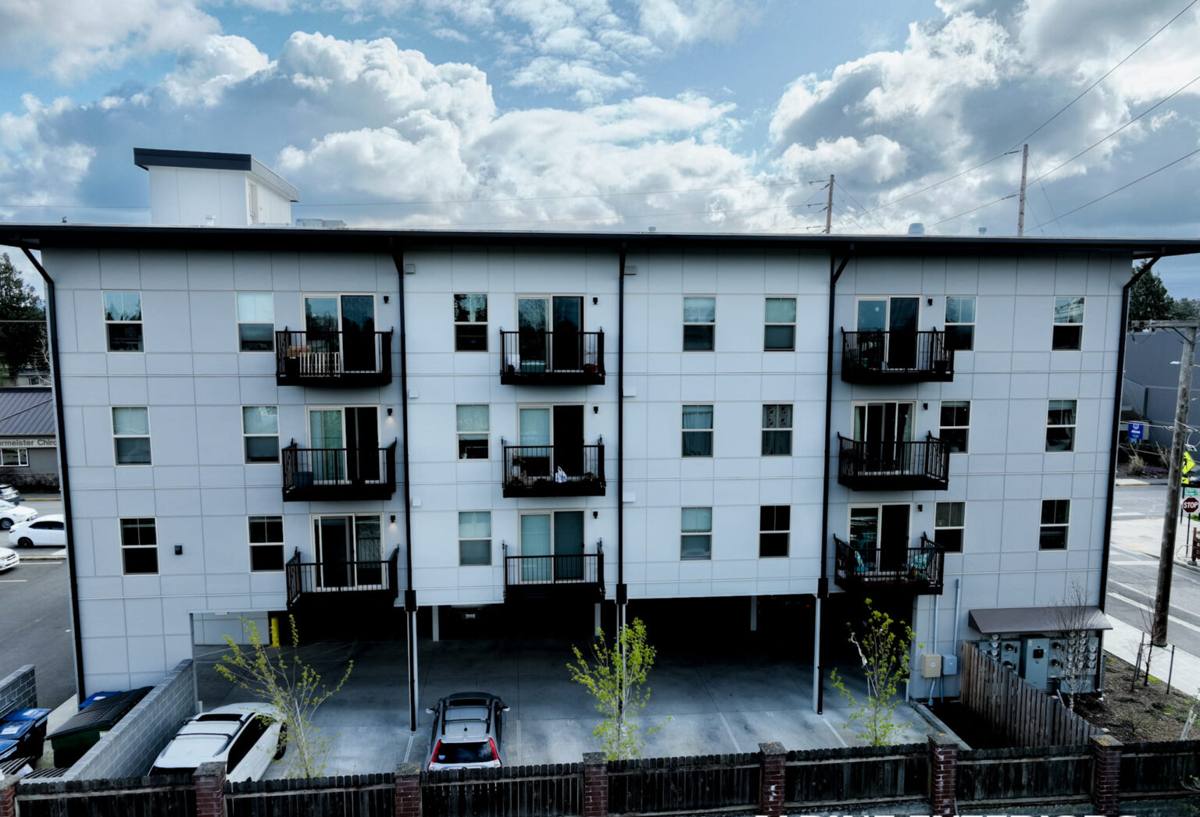
What Shaw Island's Climate Actually Demands From a Window
Salt Air and Hardware Longevity
The biggest long-term cost driver for island windows isn't the glass — it's the hardware and cladding. Cheap or unprotected fasteners, hinges, and cranks corrode faster near saltwater, and once corrosion starts on a lock or roller it's a service call, not a wipe-down. We spec corrosion-resistant hardware and cladding finishes rated for coastal exposure as a baseline, not an upgrade, on every new-construction order for this area.
Driving Rain and Water Management
Wind-driven rain doesn't just test the window unit itself — it tests the flashing, the sill pan, and the sealant joint around it. A window with an excellent water rating can still leak if the rough opening isn't flashed correctly underneath it. On new construction we control both sides of that equation: the unit's performance rating and the opening prep that lets it actually perform.
Moss, Moisture, and Trim Durability
A long moss season means prolonged dampness sitting against exterior trim and sills for weeks at a stretch. Wood trim that isn't detailed with a drainage gap or protected with the right primer and finish will hold moisture against the window frame and shorten its service life. We treat trim detailing as part of the window scope, not an afterthought handled by whoever shows up with the siding crew.
What a Correct New-Construction Window Install Involves
New construction gives us access to the rough opening before any exterior finish goes on, which is the single biggest advantage over replacement work. Done right, the sequence looks like this:
- Rough opening check — squareness, size tolerance, and structural blocking confirmed against the window schedule before units arrive.
- Sill pan flashing installed first, sloped to shed any water that gets past the window to the outside, not into the wall cavity.
- Window set plumb, level, and square, shimmed at manufacturer-specified points to avoid frame distortion that causes hardware to bind over time.
- Side and head flashing integrated in the correct shingle-lap order with the water-resistive barrier, so every layer drains down and out, never in.
- Fastening per manufacturer schedule — enough to meet structural and wind load requirements without over-driving and warping the frame.
- Low-expansion foam or backer rod and sealant at the interior gap for air sealing, kept clear of the drainage path.
- Exterior trim and sealant joints finished with a drainage gap where wood trim is used, so moss-season dampness doesn't sit trapped against the frame.
Skipping or reordering any of these steps is how a brand-new window ends up with a hidden leak that doesn't show up until year two or three — well after the crew that installed it has moved on.
Choosing the Right Window for a Shaw Island Build
There's no single "best" window brand for the island — the right choice depends on the home's design, budget, and how exposed the elevation is to weather. What matters more than the label is matching the product's construction to the exposure it will actually face.
| Factor | What to Look For | Why It Matters Here |
|---|---|---|
| Frame material | Fiberglass, vinyl, or clad-wood rated for coastal use | Resists salt-air corrosion and moisture-driven warping better than unprotected wood or bare aluminum |
| Hardware | Corrosion-resistant locks, hinges, and rollers | Salt air accelerates corrosion on standard hardware, leading to sticking or failed locks |
| Glazing | Dual-pane minimum, low-E coating | Cuts heat loss and condensation risk during the long damp, low-light season |
| Water rating | High wind-driven rain resistance rating | Directly tested against the kind of angled, sustained rain the island sees in winter storms |
| Warranty structure | Clear terms on finish, glass seal, and hardware separately | Coastal exposure tends to fail hardware and finish before glass seals — know what's actually covered |
Why We Don't Push Bare Aluminum or Unprotected Wood Frames
Bare aluminum conducts cold and, without a thermal break and marine-grade finish, is prone to pitting and corrosion in salt air over time. Unprotected exterior wood frames look great on day one but demand a maintenance schedule — sanding, priming, repainting — that most homeowners underestimate when they're weighing options during a build. We'll install either if a design calls for it and the homeowner understands the upkeep, but our default recommendation for new construction here leans toward frame materials that hold up with minimal maintenance in this specific climate.
Our Process for New-Construction Window Projects
1. Plan Review and Window Schedule
We start from the architectural plans or framing package, confirming rough opening sizes, egress requirements, and elevation exposure so every window is spec'd for its actual location on the house — a window facing prevailing wind and rain gets a different consideration than one tucked under an overhang.
2. Coordination With the Build Timeline
Windows need to arrive and get set at the right point in the framing sequence — too early and they're at risk from other trades, too late and it holds up the weather-in date. We coordinate directly with the builder or general contractor to hit that window without becoming the bottleneck.
3. Flashing and Installation
Every unit gets sill pan flashing, correctly lapped side and head flashing, and manufacturer-spec fastening, as detailed above. This is the stage where most future leaks are either prevented or built in — we don't rush it.
4. Trim and Weather Sealing
Exterior trim is detailed with drainage in mind, and sealant joints are placed to manage water, not just look tidy. Interior gaps are sealed for air control separately from the exterior weather seal, so the two systems don't work against each other.
5. Final Walkthrough
Every window operates — opens, closes, locks — before we call the job done, and we walk the exterior with the builder or homeowner to confirm flashing and trim details before siding closes everything in.
Why It Matters That We Already Work on Shaw Island
Shaw Island's ferry access shapes how construction projects here actually run. Material deliveries, crew scheduling, and even simple things like a forgotten part run all take longer than they would on the mainland, and a crew unfamiliar with that reality tends to build in delays or, worse, cut corners to stay on schedule. We've built our scheduling and material staging around island logistics, so a Shaw Island new-construction window package doesn't turn into a stop-and-start project because nobody accounted for the boat schedule.
We also know the exposure patterns particular to this part of San Juan County — which elevations take the worst of winter rain, where moss and moisture linger longest into summer, and how salt air behaves differently on a bluff lot versus a more sheltered one. That local knowledge shapes real decisions: which elevations get upgraded water ratings, where extra flashing detail earns its keep, and where standard spec is genuinely sufficient.
Questions to Ask Before Your Windows Go In
Whether you're working with us or vetting any contractor for a new-construction window package on the island, these are worth confirming before installation day:
- Is sill pan flashing included in the install, or only side/head flashing?
- What water-resistance rating are the specified windows tested to, and does it match the home's exposure?
- Is the hardware rated for coastal/salt-air use, or standard-grade?
- Who is responsible for coordinating install timing with the framing and siding trades?
- What does the warranty actually cover — glass seal, hardware, finish — and for how long, respectively?
- Will trim be detailed with a drainage gap where wood trim is specified?
If a contractor can't answer these clearly before the windows arrive, that's worth knowing before they're set in the openings, not after.
If you're planning a new build on Shaw Island and want windows specified and installed for what this climate actually throws at a house, we're glad to walk the plans with you. Reach out for a free, no-pressure estimate through the form below.