 Orcas Island Siding
 Roofing San Juan Island: A Different Job Than the Mainland
San Juan Island sits out in the strait, and that location shapes everything about how a roof ages here. Homes get a steady dose of salt-laden air off the water, long stretches of driving rain through the fall and winter, and shaded, damp conditions that keep moss and moisture active on north-facing slopes almost year-round. A roofing system that holds up fine forty miles inland can fail early out here if it wasn't chosen and installed with this specific climate in mind. This page covers what a correct new roof installation looks like for San Juan Island homes, and how our process is built around the conditions this part of San Juan County actually produces.
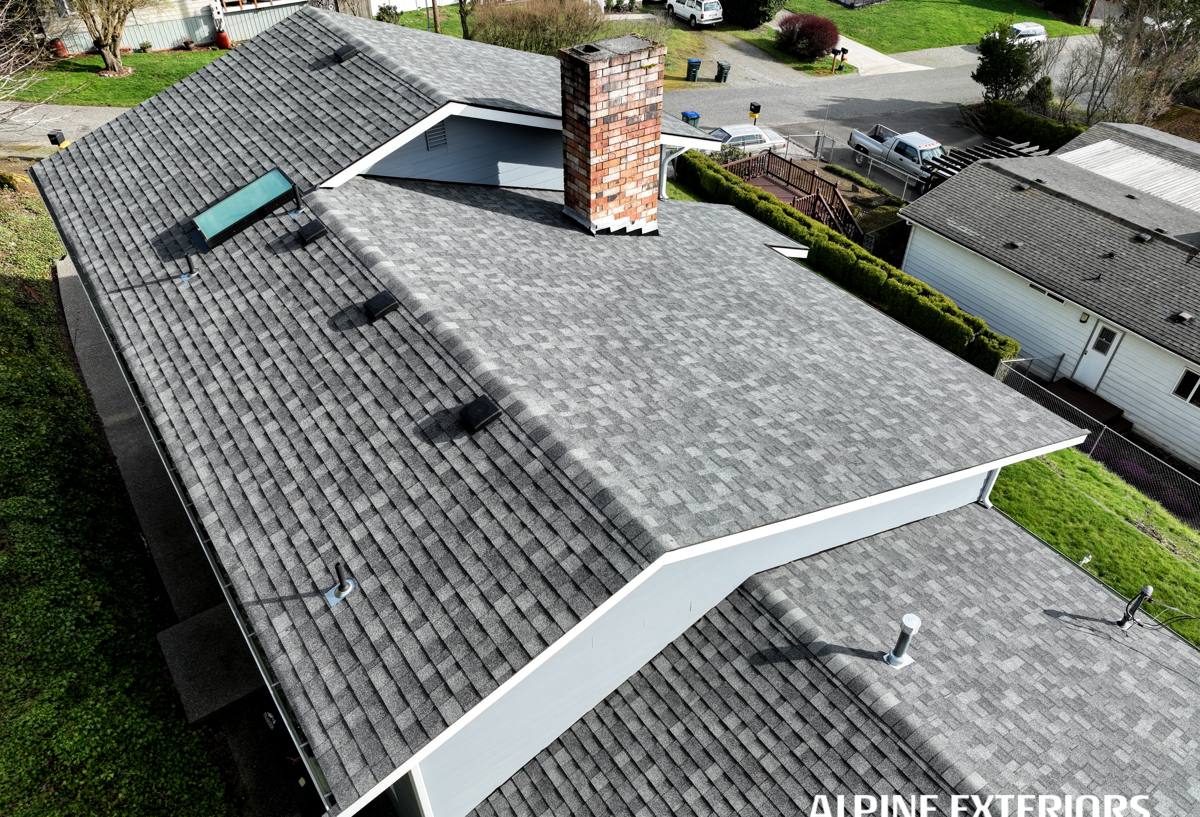
What San Juan County Weather Does to a Roof
Salt Air and Metal Fasteners
Airborne salt accelerates corrosion on exposed metal — nail heads, flashing, drip edge, and vent stacks all take the hit over time. Standard galvanized fasteners can start showing rust streaks and weakening well before a roof is due for replacement. Out here, the fastener and flashing spec matters as much as the shingle or panel you pick.
Driving Rain and Wind-Driven Water
Storms off the water don't just fall straight down — wind pushes rain sideways and up under laps, edges, and penetrations that would stay dry in a calmer climate. Roofs on San Juan Island need extra attention at every seam: valleys, chimneys, skylights, and eaves are where a marginal install shows its weakness first.
Moss Season
Shaded roof sections, tree cover, and persistent island moisture add up to a long moss season. Moss isn't just cosmetic — it holds water against the roofing surface, works into shingle laps and shake gaps, and can lift material over time. A roof that's designed and installed with moss in mind sheds water faster and gives moss less to grab onto in the first place.
Signs a San Juan Island Roof Needs Replacement, Not Another Repair
- Granule loss heavy enough that you can see bare, shiny patches on asphalt shingles
- Curling, cupping, or cracked shingles across multiple slopes, not just one weak spot
- Rusted or failing flashing around chimneys, skylights, and roof-wall intersections
- Persistent moss growth that returns within a season or two of cleaning
- Daylight visible through the roof deck from the attic, or staining on attic sheathing
- Soft spots underfoot, sagging ridgelines, or visible deck deflection
- Interior ceiling stains, especially ones that appear after wind-driven storms
- A roof that's already had two or more rounds of patch repairs in the same areas
One or two of these on their own might mean a repair is enough. Several together, especially on a roof past 20 years old, usually mean the underlying materials are worn out and repairs are just delaying the inevitable at increasing cost.
Choosing a Roofing Material for the Island
There's no single "best" roof for San Juan Island — the right choice depends on your budget, the roof's exposure, and how much upkeep you want to take on. Here's how the common options actually compare under local conditions.
| Material | Salt Air Resistance | Moss Resistance | Typical Lifespan | Maintenance |
|---|---|---|---|---|
| Architectural asphalt shingle | Good with proper fasteners/flashing | Moderate — benefits from zinc/copper strips | 25–30 years | Periodic moss treatment, gutter clearing |
| Standing seam metal | Very good with coastal-rated coatings | Strong — sheds debris and moisture well | 40–50+ years | Low — occasional fastener/coating check |
| Cedar shake | Moderate — natural material, needs upkeep | Weakest — traps moisture in grain and gaps | 20–30 years with upkeep | High — regular treatment and inspection |
| Synthetic/composite shingle | Good | Good — engineered to resist moisture uptake | 30–50 years | Low to moderate |
We don't install cedar shake as our standard recommendation for exposed or shaded island roofs. It's a good-looking, traditional material, but its open grain and shingle gaps hold moisture longer than manufactured products, which works against you in a climate that already grows moss aggressively. If you specifically want the look, we'll talk through what upkeep it actually takes here before you commit — that's a maintenance-and-moisture conversation, not a knock on the product itself.
What a Correct Installation Actually Involves
Tear-Off and Deck Inspection
A new roof starts with full removal of the old material and a real inspection of the deck underneath — not a quick glance. Soft, rotted, or delaminated sheathing gets replaced before anything new goes down. Skipping this step is one of the most common ways a new roof fails early, because no shingle or panel can compensate for a compromised deck.
Ice and Water Shield at Vulnerable Areas
Given how much wind-driven rain San Juan Island sees, self-adhering ice-and-water membrane belongs at eaves, valleys, and around every penetration — not just where code minimums require it. This is the layer that actually stops water that gets past the surface material.
Underlayment Built for Wet Climates
Synthetic underlayment over the full deck gives a second line of defense and holds up better than old-style felt in a persistently damp environment.
Corrosion-Resistant Flashing and Fasteners
Because of the salt air, we spec flashing and fastener materials rated for coastal exposure rather than the cheapest standard option. This is a small cost difference at install time and a real difference in how long the roof's weak points hold up.
Ventilation That Actually Balances
Proper intake and exhaust ventilation keeps the attic dry and temperature-balanced, which matters for both shingle lifespan and moss prevention — a warm, moist attic accelerates deterioration from the underside of the deck, and poor airflow keeps roof surfaces damp longer after every rain.
Moss-Resistant Details
On shaded slopes, we'll talk with you about zinc or copper strip installation near the ridge, which releases trace metal ions during rain that inhibit moss growth over time — a genuine, low-maintenance line of defense rather than a one-time treatment you have to repeat every year.
Our Installation Process, Start to Finish
- On-site inspection and estimate. We walk the roof, check the deck where accessible, and talk through material options and honest cost ranges for your specific house.
- Material ordering and delivery scheduling. Because everything reaching San Juan Island comes over on the ferry, we plan material delivery and crew scheduling in advance so your project isn't held up waiting on a load that missed a sailing.
- Tear-off and deck repair. Full removal of old roofing, deck inspection, and replacement of any compromised sheathing before installation begins.
- Underlayment and flashing installation. Ice-and-water membrane at vulnerable areas, full synthetic underlayment, and corrosion-resistant flashing at every penetration and transition.
- Roofing material installation. Installed to manufacturer spec, with attention to fastening patterns and exposure that hold up to wind-driven rain.
- Ventilation and moss-prevention details. Ridge and soffit ventilation checked and corrected as needed, moss-inhibiting strips installed where appropriate.
- Final walkthrough and cleanup. We review the finished roof with you, answer questions, and make sure the site and gutters are clear of debris before we leave.
What Affects the Cost of a New Roof on San Juan Island
| Factor | Why It Matters Here |
|---|---|
| Roof size and pitch | More surface area and steeper pitches mean more material and labor time |
| Material choice | Metal and composite cost more upfront than asphalt but need less upkeep against moss and salt air |
| Deck condition | Rot or soft sheathing found at tear-off adds repair cost that can't always be estimated before opening the roof up |
| Access and logistics | Island delivery scheduling and site access can affect timeline more than mainland jobs |
| Ventilation upgrades | Correcting inadequate attic ventilation adds cost but extends the life of the new roof |
| Number of penetrations | Chimneys, skylights, and vents each need individual flashing work |
We give real numbers based on what we actually see on your roof, not a phone-quote guess. Broad ranges vary a lot by material and roof size, which is exactly why an on-site look matters before we talk pricing.
Why It Matters That We Already Work San Juan Island
A roofing crew that only occasionally makes it out to the islands has to build ferry schedules, material delivery, and travel time into every job — and that unfamiliarity can show up as delays or corners cut to keep the trip worthwhile. We're based in the San Juans and work San Juan Island as part of our regular service area, which means we already know how to plan material orders around ferry sailings, we're not learning the local climate demands for the first time on your roof, and follow-up after the job — whether that's a warranty question or a post-storm check — doesn't require a special trip.
Questions to Ask Before You Hire a Roofing Contractor Here
- Do you carry current WA state contractor licensing and insurance, and can you provide proof?
- Have you installed roofs on San Juan Island or elsewhere in San Juan County before?
- What underlayment and flashing materials do you use, and are they rated for coastal exposure?
- How do you handle material delivery scheduling around ferry sailings?
- What does your workmanship warranty cover, and for how long?
- Will you inspect and repair deck sheathing as part of the job, or is that a separate cost surprise later?
- How do you address ventilation and moss prevention as part of a new install, not just the roofing surface itself?
A straight answer to every one of these is a good sign. Vague answers, especially around licensing, insurance, or deck repair costs, are worth pushing on before you sign anything.
Ready to Talk About Your Roof?
If your roof is showing its age or you just want an honest read on what shape it's in, we're happy to come take a look. There's a free, no-pressure estimate request form below — tell us a bit about your home and we'll get back to you to schedule a time to walk the roof and talk through real options.