 Orcas Island Siding
 Windows Built for Olga's Weather, Not a Showroom in the Valley
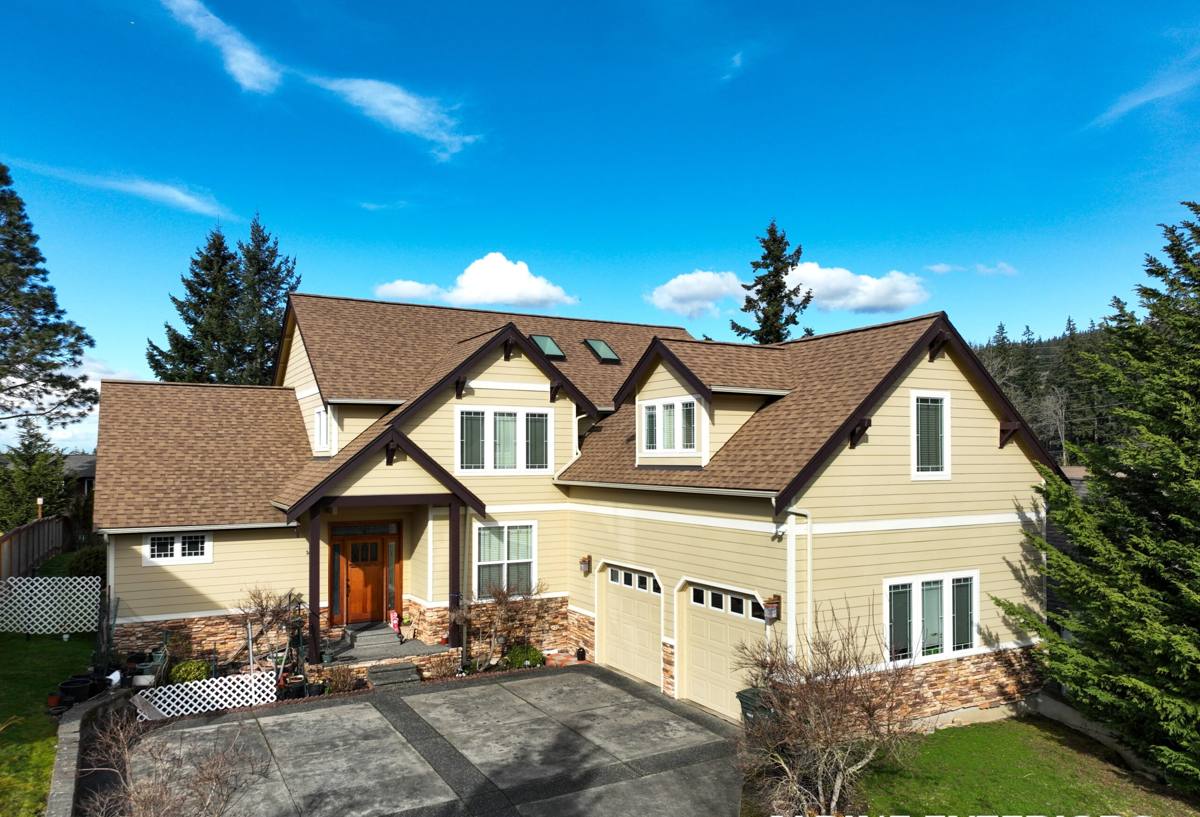
Olga sits on the east side of Orcas Island, facing Buck Bay and the open water beyond, which means homes here take weather from a different direction than the more sheltered spots around Eastsound. Wind-driven rain off the water, salt-laden air, and the shade and dampness that come with the surrounding evergreen cover all work against a window's weakest points: the seals, the frame corners, and the flashing tucked behind the trim. When we talk about "energy-efficient windows" for Olga, we're not just talking about the glass and its rating — we're talking about a window and an installation that can shrug off a decade of San Juan County winters without fogging, sticking, rotting at the sill, or leaking air around the frame.
A lot of window failures we get called out to inspect were fine products installed without accounting for the coastal environment. The window itself did its job; the flashing detail or the sealant choice didn't. That distinction matters more here than almost anywhere else in Washington, because the combination of salt exposure and near-constant moisture accelerates problems that would take twice as long to show up inland.
What Olga's Climate Actually Does to a Window
Salt Air and Metal Components
Salt carried in off the water settles on everything, including window hardware. Cheap or improperly finished aluminum cranks, hinges, and locking mechanisms corrode faster this close to the shoreline. Vinyl and fiberglass frames don't corrode, but the metal fasteners, weep hole screens, and balance systems inside even a "maintenance-free" window still can if they're not rated for a marine-adjacent environment.
Driving Rain
Storms coming across the water don't just fall straight down — they push rain sideways into the wall assembly. A window that's watertight in a calm rain can still leak under wind-driven rain if the sill pan, flashing, and sealant aren't detailed for it. This is the single most common cause of hidden rot we find behind Olga-area windows: water getting in around the frame during storms, not through the glass.
Moss and Shade
Many Olga properties sit under a mix of fir and cedar cover, which keeps siding and trim damp longer after a storm than a home in full sun. That extended damp period is exactly what moss, algae, and wood decay need. Wood-clad or wood-trimmed window openings in shaded spots need either a durable, moisture-tolerant material at the frame and trim or a maintenance routine that keeps organic growth from taking hold.
Temperature Swings and Condensation
San Juan County winters are mild compared to the mainland, but the humidity is high, and single-pane or old double-pane windows with failed seals fog up and feel drafty even on days that aren't that cold. That constant low-grade heat loss adds up over a heating season, and it's usually the first sign homeowners notice before they call us.
What a Correct Energy-Efficient Window Job Involves Here
Swapping in a new window is the easy part. Getting it to actually perform for 20+ years in this environment comes down to a handful of details that don't show up in a brochure:
- A sloped sill pan or sill flashing that sheds water out and away from the wall, not just a bead of caulk under the frame
- Corrosion-resistant fasteners and hardware rated for coastal or marine-adjacent use, not standard interior-grade hardware
- Proper integration with the house wrap or weather-resistive barrier — the flashing needs to shingle correctly with the existing water management layer, lapping over what's below and under what's above
- Low-expansion, exterior-grade sealant at the right joints — not every gap needs caulk, and over-sealing can trap moisture instead of letting it escape
- Insulation packed correctly around the frame gap — too little and you get a cold spot and condensation risk, too much (over-packed foam) and you can bow the frame and cause it to bind or leak
- A frame and glazing package matched to the exposure — a window facing the open water on an unshaded wall has different demands than one tucked under an eave on the leeward side
Skip any one of these and the window itself can be top quality and still underperform, sometimes within a year or two.
Choosing the Right Window for an Olga Property
Frame Material
Vinyl frames handle moisture well and don't rot, but lower-end vinyl can become brittle with age and UV exposure and doesn't always hold up cosmetically on a more exposed elevation. Fiberglass frames cost more up front but resist expansion and contraction across temperature swings better than vinyl and hold paint or finish longer, which matters if you want a specific trim color to match the rest of the exterior. Wood-clad windows look great and many homeowners want that look, but on a water-facing wall or under heavy tree cover, wood cladding needs a genuinely disciplined maintenance schedule — sealing, inspecting, and repainting on time — or it becomes the first thing to fail.
Glazing and Coatings
Double-pane, argon-filled glass with a low-E coating is the practical baseline for this climate — it cuts heat loss through the glass and helps with condensation resistance. Triple-pane adds more insulation value but also more weight and cost, and on most Olga homes, the return on that upgrade is better spent on a well-detailed double-pane install and better air sealing at the frame than a triple-pane unit installed with mediocre flashing.
Hardware and Weatherstripping
Look for corrosion-resistant hardware (stainless or coated) and a compression weatherstrip system rather than a thin brush-style seal, which wears faster in a location with frequent wind exposure. Cheaper hardware is where a lot of "affordable" window lines cut costs, and it's often the first thing to fail in this kind of environment — usually well before the glass unit itself does.
Frame Material Comparison for Olga's Coastal Exposure
| Material | Moisture Behavior | Maintenance | Best Fit |
|---|---|---|---|
| Vinyl | Won't rot; can become brittle with age/UV | Low — occasional cleaning | Sheltered walls, budget-conscious replacements |
| Fiberglass | Very stable across temperature/moisture swings | Low | Exposed, water-facing elevations |
| Wood-clad | Attractive but vulnerable if finish fails | High — regular inspection and refinishing | Sheltered walls where the look is a priority |
| Aluminum-clad | Durable but can corrode near salt air if not properly coated | Moderate | Generally a lower priority choice for this specific exposure |
Our Process for an Olga Window Project
1. On-Site Assessment
We look at more than just the window openings — we check the condition of the surrounding trim, siding, and existing flashing, because a window replacement is also a chance to catch and fix any hidden moisture damage before it's covered back up.
2. Product Selection Walkthrough
We'll walk you through frame material, glazing, and hardware options based on which elevation is being replaced — a wall facing open water gets a different recommendation than a shaded, leeward wall.
3. Removal and Opening Prep
Old windows come out carefully so we can inspect the rough opening, sill, and sheathing underneath. Any soft wood or compromised flashing gets addressed here, not papered over.
4. Flashing and Sill Pan Installation
This is the step that decides whether the window stays dry through a driving rainstorm. We integrate the flashing with the existing weather-resistive barrier so water sheds correctly, layer by layer.
5. Window Set and Air Sealing
The window gets shimmed level and square, fastened per the manufacturer's spec, and insulated around the frame without over-packing.
6. Exterior and Interior Trim
Exterior trim gets sealed and finished to shed water; interior trim is finished to match the room. We clean up and walk the job with you before we call it done.
Signs an Olga Home Needs Window Attention
- Visible fog or moisture between panes — a sign the seal has failed
- Drafts you can feel near the frame on a windy day
- Wood trim or sill that's soft, discolored, or has active moss/algae growth
- Windows that are hard to open, close, or lock — often hardware corrosion or a swollen frame
- Rising heating costs without a clear other explanation
- Paint or finish peeling around the window opening, which often points to trapped moisture underneath
Cost Factors for a Realistic Budget
Every Olga project is different, but the factors that move the price the most are consistent: frame material, glazing package, the number and size of openings, whether the surrounding trim or siding needs repair, and how much hidden damage we find once the old window comes out. Straightforward replacements in existing openings run less than jobs that involve resizing an opening, matching custom trim profiles, or repairing rot discovered mid-project. We'll give you a clear, itemized estimate before work starts and flag anything we find along the way before we proceed, not after.
Why a Crew That Already Works Orcas Island Matters
Getting materials, crews, and equipment to Olga means factoring in the ferry schedule, island logistics, and knowing which products actually hold up in this specific setting versus what performs fine on the mainland but struggles here. A contractor who already works San Juan County has already worked through those logistics and has seen which frame materials, sealants, and flashing details hold up to salt air and driving rain over the years — not just on paper, but on actual island homes. That local track record is worth more than a lower bid from an off-island crew doing a one-off job and leaving.
If your Olga home has drafty, foggy, or aging windows — or you're planning ahead for a full replacement — we're happy to come take a look and give you a straightforward, no-pressure estimate. Use the form below to get started.