 Orcas Island Siding
 Why North Beach Siding Takes a Different Kind of Beating
Homes along North Beach sit close enough to the water that salt air is part of daily life, not an occasional event. Add San Juan County's long wet season, wind-driven rain that hits walls sideways instead of straight down, and the shaded, damp conditions that let moss and algae take hold on north- and west-facing walls, and you get a siding environment that's genuinely harder on a building than most inland Washington neighborhoods. A product or installation detail that holds up fine forty miles inland can fail early out here.
We work on Orcas Island regularly, and North Beach is one of the areas where we see the clearest pattern: siding failures cluster on the walls facing the water and the walls that stay shaded and damp longest after a storm. That pattern tells us most of what we need to know before we even get on a ladder.
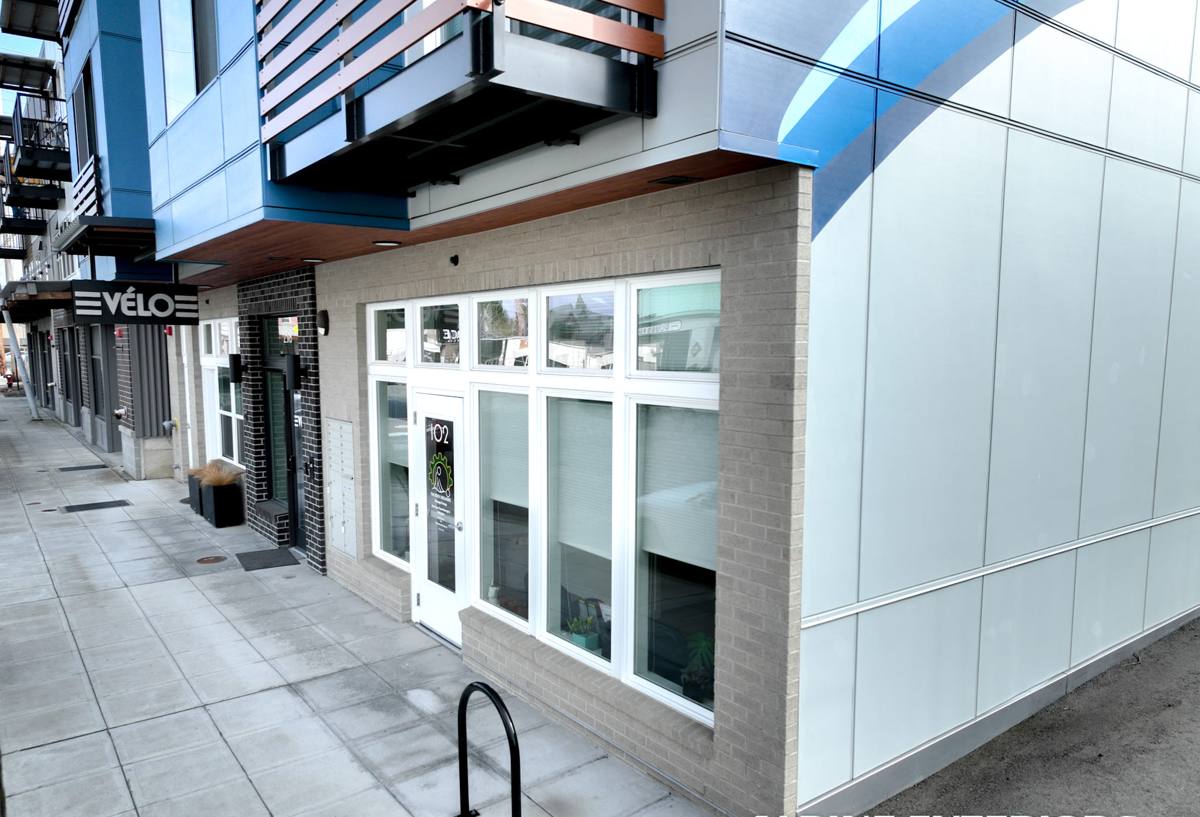
What Actually Wears Out Siding Here
Salt Air
Airborne salt doesn't just sit on the surface — it works into fasteners, trim joints, and any spot where two materials meet. Over years, that accelerates corrosion in metal fasteners and flashing, and it breaks down paint and coatings faster than a drier, inland climate would. Siding that isn't engineered or finished to resist this chalks, fades, or lets moisture in at the fastener heads years before it should.
Driving Rain
Wind off the water pushes rain into siding laps, corner boards, and window trim instead of letting it run straight down and off. That means water-resistive barrier (WRB) detailing, flashing, and lap coverage all matter more here than in a sheltered inland lot. A siding job that's "good enough" elsewhere can leak on a North Beach-facing wall within a few winters.
Moss and Sustained Dampness
San Juan County's long wet season keeps north- and west-facing walls damp for extended stretches, especially where trees or terrain block sun and airflow. Moss and algae take hold on surfaces that stay damp and hold organic debris, and once established they trap even more moisture against the siding. Wood-based and less moisture-tolerant siding products soften and rot underneath a moss mat long before the problem is visible from the yard.
Signs a North Beach Home Needs Siding Replacement (Not Just a Patch)
- Soft or spongy spots when you press on the siding, especially near the bottom courses and around window and door trim
- Paint that's peeling or bubbling in a pattern that follows one exposure (usually the water side or the shaded side)
- Persistent moss or black streaking that comes back within a season of cleaning
- Visible gaps, warping, or cupping in individual boards or panels
- Rust staining below fasteners or at seams
- Interior signs — musty smell, staining on interior walls near exterior corners, or peeling interior paint on an exterior wall
One or two of these can sometimes be spot-repaired. Several together, or any sign of soft sheathing underneath, usually means the siding system has failed and a full or wall-by-wall replacement is the honest recommendation.
What a Correct Siding Replacement Involves
A siding replacement done right is mostly about what happens before the new siding ever goes up. On a North Beach exposure, we don't skip steps:
- Full tear-off and inspection. Old siding comes off so we can see the sheathing underneath — this is where hidden rot from years of trapped moisture usually shows up.
- Sheathing repair. Any soft or water-damaged sheathing gets replaced before anything new goes on. Installing new siding over compromised sheathing just hides the problem.
- Water-resistive barrier. A continuous, properly lapped WRB is the actual first line of defense against driving rain — more important here than on a sheltered inland wall.
- Flashing at every penetration. Windows, doors, hose bibs, vents, and roof-to-wall intersections all need correctly lapped flashing so water sheds outward, not into the wall assembly.
- Correct fastening and clearances. Fastener spacing, embedment, and the gap between siding and grade, decks, and roof lines all follow manufacturer specs — these details are exactly what saltwater exposure and driving rain expose if they're wrong.
- Factory-finished siding installation. We install James Hardie fiber cement with its factory ColorPlus finish, which holds color and resists the coating breakdown that salt air and UV cause on field-applied paint.
- Final detailing and caulk review. Joints, corners, and trim get checked and sealed where the manufacturer calls for sealant — not everywhere, since over-caulking can trap moisture rather than shed it.
Why We Only Install James Hardie Fiber Cement
We don't install vinyl, LP SmartSide, primed wood, or cedar siding, and North Beach is exactly the kind of exposure that explains why. Vinyl expands, contracts, and can warp under temperature swings and doesn't hold up well against long-term UV and salt exposure without fading. Wood-based products, including engineered wood siding, are more vulnerable to moisture intrusion at cut edges and fastener points — a real liability in a climate where moss and dampness sit against a wall for weeks at a time. Cedar looks good going up but requires ongoing maintenance and refinishing to keep water out, maintenance that's easy to fall behind on for a part-time or vacation home.
James Hardie fiber cement is engineered specifically for demanding climates. The HZ5 product line is formulated for the kind of moisture and weather exposure the Pacific Northwest sees, it's non-combustible, and it holds its factory ColorPlus finish far longer than field-applied paint on wood or the color-molded finish on vinyl. It's not maintenance-free, but the maintenance burden is materially lower — no annual refinishing, no worrying about swelling at butt joints, and a warranty structure that's actually transferable if the home changes hands.
That's the trade-off we made a professional standard on: less flexibility in product choice, in exchange for not installing something we know is a poor match for salt air, driving rain, and a long moss season.
Cost Factors for a North Beach Siding Replacement
| Factor | Why It Matters Here |
|---|---|
| Extent of sheathing damage | Hidden rot behind failed siding is more common on water-facing and shaded walls; repair cost isn't known until tear-off |
| Wall exposure | Water-facing and shaded walls need more careful flashing and WRB detail work, which affects labor time per wall |
| Trim and detail complexity | Corner boards, window trim, and transitions all need correct flashing — more corners and penetrations mean more labor |
| Access and logistics | Island scheduling (ferry-dependent material and crew logistics) affects project timing more than mainland jobs |
| Siding profile and finish | Lap width, texture, and ColorPlus finish selection affect material cost within the Hardie product line |
| Full replacement vs. partial | Wall-by-wall replacement can make sense if only the water-facing exposures have failed |
Our Process for North Beach Projects
We start with an on-site assessment, not a guess from a photo. That means checking the worst-exposed walls first, probing for soft sheathing, and looking at what's actually happening at grade, at deck ledgers, and around penetrations — the spots that fail first in this climate. From there we scope the job honestly: full replacement where the wall assembly is compromised, and we'll say so plainly if a wall doesn't need full replacement yet.
Because we're already working on Orcas Island, material staging and crew scheduling account for ferry logistics up front, rather than being figured out mid-project. That matters more here than it does on the mainland — a crew unfamiliar with island logistics can turn a two-week job into a much longer one simply by not planning material deliveries around the ferry schedule.
What to Ask Before Hiring Anyone for This Job
- Will the sheathing be inspected and repaired before new siding goes on, or just covered?
- What water-resistive barrier and flashing details will be used at windows, doors, and penetrations?
- Is the siding manufacturer's installation manual being followed for fastener spacing and clearances?
- Does the crew have experience with San Juan County's specific moisture and salt-air conditions, not just general siding experience?
- Is the warranty from the manufacturer transferable, and what does it actually cover?
- How is material delivery and crew scheduling handled around ferry logistics?
If your North Beach home is showing soft spots, recurring moss, peeling paint, or you just want an honest read on how much life is left in the current siding, we're glad to take a look. The estimate is free, there's no pressure, and you'll get a straight answer about whether you need a full replacement, a partial one, or just some maintenance — fill out the form below to get started.