 Orcas Island Siding
 Decks Built for North Beach's Marine Climate
North Beach sits on Orcas Island in San Juan County, close enough to open water that every deck we build there has to answer to salt-laden wind, driving rain off the Strait, and a moss season that runs longer than most homeowners expect. A deck that would hold up fine in a drier inland climate can start showing problems within a couple of seasons here — soft spots at the ledger, corroding fasteners, slick moss on shaded boards, gaps that let water track into the framing. Building a deck that actually lasts on Orcas Island isn't about using more material or spending more money. It's about making the right choices at the framing, fastener, and drainage level, because those are the details that decide whether a deck is still solid in ten years or needs major repair in three.
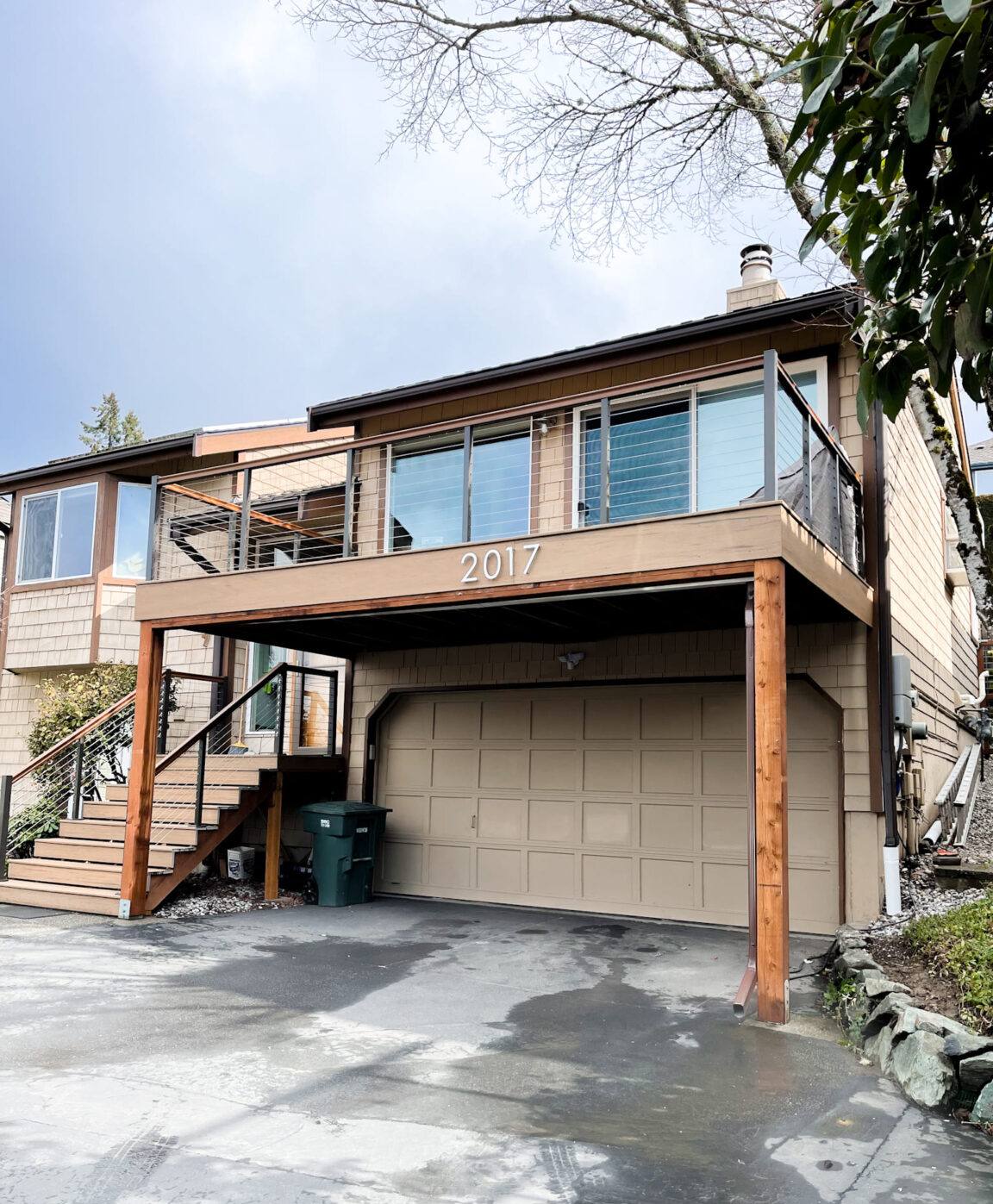
What a Deck on North Beach Is Actually Up Against
Every part of a deck built near open water on Orcas Island is exposed to the same combination of stresses: salt in the air, near-constant moisture for a good part of the year, and shade patterns from evergreen tree cover that keep certain sections of decking wet long after the rain has stopped. None of this is unusual for San Juan County waterfront and view properties, but it does mean a deck built to a generic spec sheet often underperforms once it's actually sitting in this environment.
Salt Air and Metal Fasteners
Salt-laden air accelerates corrosion in any fastener, bracket, or connector that isn't rated for it. On a deck, that's not a cosmetic issue — it's a structural one. Corroded joist hangers, ledger bolts, and screws lose holding strength quietly, often with no visible warning until a board is loose or a railing flexes. We spec stainless or marine-grade coated hardware throughout on North Beach jobs specifically because standard galvanized fasteners don't hold up as long this close to the water.
Standing Water, Moss, and Rot
Orcas Island gets long stretches of wet weather, and tree-shaded decks stay damp between rain events even when the rest of the property has dried out. Moss and algae take hold on decking, stair treads, and railings in those conditions, and beyond being slippery, sustained moisture against wood and composite surfaces is what drives rot, fastener staining, and premature finish failure. Drainage and airflow under and around the deck matter as much as the decking material itself.
Getting the Structure Right Before Anything Else
The decking surface is what people notice, but the framing and connections underneath are what determine whether the deck is safe and long-lasting. This is where we spend the most attention, because it's also where problems are hardest and most expensive to fix after the fact.
Ledger Attachment and Flashing
Where a deck attaches to the house is the single most common failure point we see on older decks in this region. Without proper flashing, water works its way behind the ledger board and into the house framing, which can cause hidden rot long before anything looks wrong on the surface. We flash every ledger connection correctly and use lag bolts or through-bolts rated for the load and the moisture exposure — not just nails or undersized screws.
Footings, Slopes, and Island Soil
A lot of North Beach lots have some grade to them, and soil conditions on Orcas Island can vary quite a bit from one property to the next, sometimes rocky, sometimes with a shallow topsoil layer over harder ground. Footings need to be sized and set to the actual conditions on your lot and to current San Juan County building requirements, not just poured to a standard depth out of habit. On sloped sites, this is also where post height, bracing, and beam spans get planned so the finished deck feels solid, not springy, especially at the outer edge.
Choosing Decking Material for Rain, Sun, and Salt
There's no single "best" decking material for every North Beach deck — the right choice depends on how much sun and shade the deck gets, how close it is to the water, and how much upkeep you actually want to do. Here's how the common options compare in this specific climate.
| Material | How It Handles Salt Air & Moisture | Maintenance | Realistic Lifespan Here |
|---|---|---|---|
| Cedar | Naturally rot-resistant but still absorbs moisture; needs a breathable sealer to perform well long-term | Re-stain or reseal every 2–3 years, more often in shaded/wet spots | 15–20 years with consistent upkeep |
| Pressure-treated fir/pine | Handles moisture reasonably well when properly installed and sealed; salt air accelerates fastener corrosion around it | Sealing every 1–2 years; watch for checking and warping | 10–15 years, shorter if maintenance lapses |
| Composite decking | Doesn't absorb water or rot, but can stay damp on the surface longer in shaded, mossy areas, which needs regular cleaning | Periodic washing to prevent moss/mildew buildup; no sealing or staining | 20–25+ years |
| PVC decking | Fully moisture-resistant and holds up very well to salt exposure | Occasional washing only | 25+ years |
Composite and PVC decking generally make the most sense for shaded, near-water, or hard-to-reach North Beach decks where homeowners don't want a repeat sealing job every couple of years. Cedar and other wood species still have a place where the look matters most and the owner is committed to regular upkeep — we're honest with clients up front about that maintenance commitment rather than letting it be a surprise a few years in.
Railings, Hardware, and Finish Details
Railings take direct weather exposure and get handled constantly, so material choice matters as much here as on the decking surface. Wood railings need the same maintenance schedule as wood decking. Metal railing components should be stainless steel or a marine-rated coated finish — standard powder-coated aluminum can pit and corrode faster than expected this close to salt air. Every fastener on the deck, from joist hangers to stair stringer brackets to railing post connections, gets specified for this environment rather than defaulted to whatever is standard elsewhere on the island.
How We Build Your Deck
Our process on North Beach jobs follows the same sequence every time, because skipping steps is where problems start:
- On-site assessment of the lot, grade, sun/shade exposure, and existing structure or foundation if this is a replacement
- Design and material recommendation based on how the deck will actually be used and how exposed it is to wind, rain, and salt
- Permitting through San Juan County as required for the scope of work
- Framing with corrosion-rated hardware, proper ledger flashing, and footings sized to the site conditions
- Decking, railing, and stair installation with attention to drainage and airflow underneath
- Final walkthrough covering how the specific materials on your deck should be maintained
Living With a Deck Through a Long Moss Season
Even a well-built deck needs some seasonal attention on Orcas Island — the goal is to make that upkeep simple, not constant. A short annual routine keeps most North Beach decks from developing the moisture and moss problems that shorten a deck's life:
- Sweep debris and fallen needles off the deck regularly, especially in shaded areas, so they don't trap moisture against the surface
- Rinse or lightly scrub moss and algae buildup before it gets established, particularly on north-facing or tree-shaded sections
- Check that gaps between deck boards stay clear so water can drain through rather than pooling
- Inspect the ledger board area and any spots where the deck meets the house for signs of staining or softness
- Reseal or restain wood decking and railings on schedule rather than waiting until finish failure is visible
- Confirm stair and railing hardware is still tight and free of corrosion each year
Why a Crew That Already Works North Beach Makes a Difference
Building on an island changes how a project gets planned. Material deliveries have to account for ferry schedules, and not every supplier stocks the corrosion-rated hardware and moisture-appropriate decking that a North Beach job actually needs — ordering the wrong spec and waiting on a second delivery costs real time. A crew that already works this part of Orcas Island knows the county's permitting process, has already worked through footing and drainage decisions on similar terrain, and isn't learning the local climate's demands on your project. That local familiarity is what keeps a deck build on schedule and keeps the finished deck performing the way it should for the long haul.
If you're planning a new deck or need to replace one that hasn't held up to North Beach weather, we're happy to come take a look and talk through honest options for your property. Fill out the form below for a free, no-pressure estimate.