 Orcas Island Siding
 Roofing on Obstruction Pass Isn't the Same Job as Roofing Inland
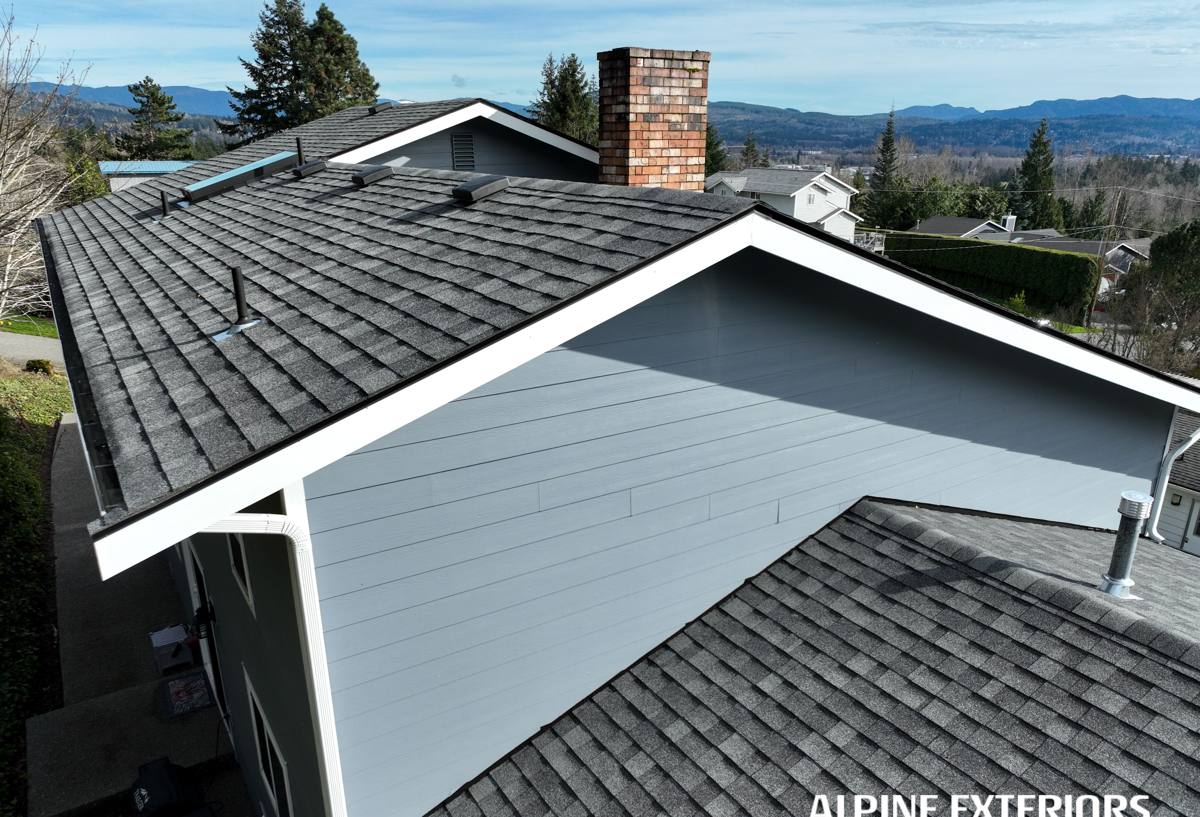
Obstruction Pass sits close to the water, tucked into the wooded, shaded terrain that makes the eastern side of Orcas Island so appealing to live on — and so hard on a roof. Homes here deal with a combination that inland San Juan County properties don't see nearly as much: salt-laden air moving off the pass, driving rain that comes in sideways during winter storms, and heavy tree cover that keeps roofs shaded and damp for long stretches of the year. That shade is a blessing for the yard and a problem for the roof, because it's exactly what moss needs to take hold.
A new roof installed for a home in this area has to be built with those three factors in mind from the first day of planning — not patched together as afterthoughts once problems show up. That's the difference between a roof that looks fine for a few years and one that actually holds up through a couple of decades of island weather.
What Salt Air, Rain, and Moss Actually Do to a Roof
Salt Air
Airborne salt accelerates corrosion on anything metal — fasteners, flashing, drip edge, vent caps. Standard galvanized hardware that would last decades in a dry inland climate can start showing rust streaks and pitting much sooner this close to the water. It doesn't ruin a roof overnight, but it shortens the life of the exact components that keep water out at the edges and penetrations.
Driving Rain
Wind-driven rain doesn't just fall on a roof, it gets pushed sideways and upward under shingle tabs, around vents, and into any gap in flashing that a calmer rain would never find. Roofs on this side of the island need underlayment and flashing details that assume water will try to travel uphill, not just downhill.
Moss
Shade plus moisture equals moss, and Obstruction Pass has plenty of both. Moss holds water against the roofing surface long after a storm has passed, works its way under shingle edges as it grows, and can lift material enough to create leak paths. A roof surrounded by trees needs a plan for moss from day one — not a scrub-and-hope routine every few years.
What a Correct New Roof Installation Actually Involves
A new roof is more than stripping the old material and nailing down new shingles. On a home in this environment, each step matters more than it would somewhere drier and more sheltered.
- Full tear-off, not an overlay. Roofing over old material traps moisture and hides deck damage — never the right call on a roof that's already fighting rain and moss.
- Deck inspection and repair. Once the old roofing is off, the sheathing gets checked board by board. Any soft, delaminated, or water-stained decking gets replaced before anything new goes down.
- Ice-and-water shield at vulnerable points. Eaves, valleys, and areas around chimneys and skylights get a self-adhering waterproof membrane, not just standard felt.
- Synthetic underlayment across the field. A durable, water-resistant underlayment gives a second line of defense if wind-driven rain ever gets past the surface layer.
- Corrosion-resistant flashing and fasteners. Given the salt air, this isn't optional — it's the difference between flashing that lasts and flashing that's rusting in five years.
- Balanced ventilation. Intake and exhaust venting sized correctly to keep the attic dry and reduce the moisture that feeds both mold and moss.
- Careful valley and penetration work. Valleys, pipe boots, and vent flashing are where the majority of roof leaks start — these get extra attention, not a rushed pass at the end of the job.
Choosing a Roofing Material for This Climate
There's no single "best" roofing material for every home — it depends on budget, roof pitch, tree cover, and how much long-term maintenance an owner wants to take on. Here's how the common options actually compare for a shaded, salt-exposed, high-moisture site like Obstruction Pass.
| Material | How It Handles This Climate | Maintenance Reality |
|---|---|---|
| Architectural asphalt shingle | Solid performance with proper underlayment and flashing; algae-resistant granules help slow moss and staining | Occasional moss/debris clearing on shaded roofs; predictable, well-understood repairs |
| Standing seam metal | Sheds water and moss extremely well due to smooth, steep-draining surface; needs marine-grade or coated fasteners near salt air | Low ongoing maintenance once installed correctly; higher upfront cost |
| Cedar shake | Traditional look that fits the island aesthetic, but shaded, moist conditions accelerate moss growth and rot risk | Requires the most consistent upkeep — cleaning, treatment, and earlier replacement of individual shakes |
| Composite/synthetic shake | Mimics the cedar look with far less moisture absorption; holds up better under tree cover | Minimal maintenance; a practical alternative where the shake look is wanted but upkeep isn't |
For most heavily shaded lots on this part of the island, we steer homeowners toward architectural shingles or metal — both handle moss and moisture with far less ongoing work than natural cedar, which looks great but demands a maintenance commitment a lot of owners underestimate when they choose it.
Ventilation Matters More Than Most Homeowners Expect
An underventilated attic traps warm, moist air against the underside of the roof deck. Combine that with a shaded exterior that never fully dries between rains, and you get conditions that shorten the life of the roofing material from underneath, not just the surface moss growing on top. Correct intake venting at the eaves paired with exhaust venting at the ridge keeps air moving through the attic year-round, which matters just as much in a wet Pacific Northwest winter as it does in a warm summer.
This is one of the most common gaps we find on older roofs going in for replacement — ventilation that was undersized or unbalanced from the original build. A new roof installation is the right time to correct it, since the roof deck is already exposed.
Where Roofs Actually Fail: Flashing and Penetrations
Very few roof leaks start in the open field of shingles or metal panels. Almost all of them trace back to a transition point: where a chimney meets the roof, where a valley collects runoff from two slopes, where a vent pipe pokes through the deck, or where a skylight is set into the roofing plane. Each of these needs flashing that's sized, layered, and sealed correctly — and on a home taking wind-driven rain off the pass, that work has to assume water will be pushed at these points from unusual angles, not just falling straight down.
This is also where corrosion-resistant materials matter most. Flashing is thin metal doing constant, quiet work at the most failure-prone parts of the roof — it's not where you want standard hardware slowly rusting away near salt air.
Our Process for a New Roof Installation
- On-site assessment. We look at the existing roof, the surrounding tree cover, ventilation, and any signs of past moisture damage before recommending anything.
- Material and scope discussion. We walk through the honest trade-offs between materials for this specific site — sun exposure, shade, pitch, and budget.
- Full tear-off and deck inspection. Old roofing comes off completely; damaged sheathing is identified and replaced.
- Waterproofing and underlayment installation. Ice-and-water membrane at vulnerable points, synthetic underlayment across the field.
- Flashing, ventilation, and roofing installation. Installed in the sequence that keeps water moving out, not in, at every transition.
- Final walkthrough. We go over the finished roof and the ventilation setup so the homeowner understands what was done and why.
Cost Factors Worth Understanding Upfront
| Factor | Why It Moves the Price |
|---|---|
| Roof size and pitch | More surface area and steeper pitches mean more material and labor time |
| Deck condition | Rotted or delaminated sheathing found during tear-off needs replacement before new roofing goes down |
| Material choice | Asphalt shingle, metal, and cedar/composite carry different material and labor costs |
| Tree access and site conditions | Heavily wooded lots near Obstruction Pass sometimes need extra care for material staging and debris removal |
| Number and complexity of penetrations | More valleys, skylights, and vents mean more flashing work |
Costs for a full residential roof replacement generally run from the low thousands for a small, simple asphalt shingle roof up into the higher end of five figures for larger homes or premium metal and cedar installations. Every site is different, which is why we give exact numbers only after seeing the roof in person.
Why It Matters to Hire a Crew That Already Works This Area
A roofing crew that regularly works Obstruction Pass and the rest of Orcas Island already understands the specific combination of salt exposure, shade, and storm-driven rain this part of San Juan County deals with. That means fewer surprises during the job, material recommendations that reflect what actually holds up here rather than generic advice, and a realistic sense of how tree cover and site access affect scheduling and material staging on the island. It also means a crew that isn't guessing about ventilation needs or flashing details for this specific microclimate — they've already seen how roofs in this exact setting age, and what causes them to fail early.
A few things worth checking before you hire anyone for a roof replacement in this area:
- Do they do a full tear-off and deck inspection, or just roof over the old layer?
- Do they use corrosion-resistant fasteners and flashing appropriate for salt air exposure?
- Can they explain their ventilation plan, not just the shingle or panel brand?
- Do they have experience with moss-prone, heavily shaded roofs specifically?
- Are they licensed and insured to work in Washington state, and can they provide proof?
- Do they give a written estimate that details scope, materials, and warranty terms?
Ready to Talk About Your Roof?
If your roof near Obstruction Pass is showing moss buildup, aging shingles, or signs of past leaks, it's worth getting a straightforward, no-pressure look before winter storms find the weak spots for you. We'll walk the roof, explain what we see, and give you a clear estimate — no upsell, no guesswork. Fill out the form below to get started.