 Orcas Island Siding
 Siding Repair Built for the Mountain Lake Area
Homes around Mountain Lake sit in one of the shadier, more heavily wooded pockets of Orcas Island. That combination of dense tree cover, lake-adjacent moisture, and the island's broader exposure to salt air and driving rain off the Salish Sea creates a different repair workload than what you'd see on a sunnier, more open lot elsewhere in San Juan County. Siding here doesn't fail because of one dramatic event — it fails slowly, from cycles of damp shade, trapped moisture, and moss that never fully dries out between rains.
This page covers siding repair specifically for the Mountain Lake area: what actually goes wrong, what a correct repair looks like, and why it matters to hire a crew that already understands how this particular stretch of the island behaves.
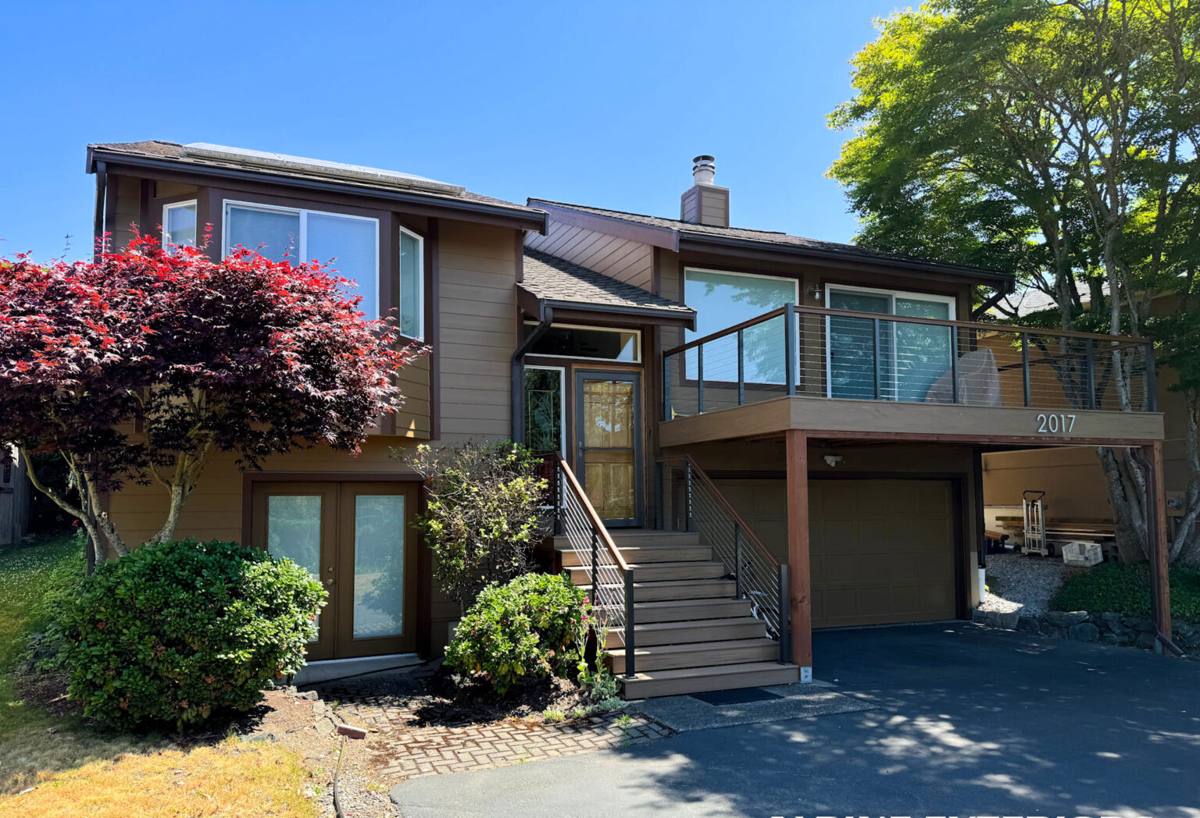
Why Mountain Lake's Climate Is Hard on Siding
Three things stack up against exterior siding in this part of Orcas Island, and they compound each other rather than acting alone.
Shade and Slow Drying
Heavy tree canopy near the lake blocks the direct sun that would otherwise dry siding out after a storm. On more exposed parts of the island, wet siding gets a few hours of sun and wind to shed moisture. Around Mountain Lake, a north-facing or tree-shrouded wall can stay damp for days. That extended dry time is the single biggest driver of moss growth and slow wood decay.
Moss Season
San Juan County's wet season runs long, and moss doesn't need much — just shade, moisture, and something to grip. Once it establishes on lap siding, trim, or around fastener heads, it holds water directly against the surface instead of letting it run off. On wood-based products, that's a direct path to rot. On any material, it's a cosmetic and structural warning sign worth addressing early.
Salt Air and Driving Rain
Even set back from the water, Orcas Island homes get salt-laden air carried on prevailing winds, and it accelerates corrosion on fasteners, flashing, and any exposed metal trim. Combine that with wind-driven rain that gets pushed sideways into seams, corners, and butt joints, and you get moisture intrusion points that a calm-weather inspection can easily miss.
Signs Your Siding Needs Repair
Most siding repair calls we get around Mountain Lake start with one of these signs. Catching them early is almost always cheaper than waiting.
- Soft or spongy spots when you press on the siding, especially near the bottom courses or under windows
- Persistent green or black staining that comes back shortly after cleaning
- Visible gaps, cracking, or buckling at seams and butt joints
- Peeling or bubbling paint, particularly on shaded walls
- Rusty streaks below nail heads or trim fasteners
- Soft trim boards around windows, doors, or corner posts
- A musty smell or visible mold on the interior wall directly behind an exterior section
- Warping or separation where siding meets flashing, decking ledgers, or roof lines
What a Correct Repair Actually Involves
The most common mistake in siding repair isn't skill — it's scope. A patch that only addresses the visible damage without finding what caused it tends to fail again within a season or two, especially in a damp, shaded environment like Mountain Lake.
Diagnosing the Root Cause
Before any board comes off, we look at why that section failed. Was it a flashing detail that let water behind the siding? A shaded corner that never dries? A missing kickout flashing above a lower roofline? Repairing the siding without fixing the underlying moisture path just buys a few years before the same spot fails again.
Removing Damaged Material Completely
Rot and moisture damage spread further than they appear on the surface. A proper repair removes material back to solid, dry substrate — not just the visibly stained boards — and checks the sheathing and house wrap underneath for hidden damage before anything new goes back on.
Correcting the Water Management Details
This is the step that gets skipped most often on quick patch jobs. Proper repair means restoring or upgrading flashing, sealing seams with the right materials, and making sure water has a clear path off the wall instead of behind it.
Matching Material and Finish
Where the existing siding is in good shape overall and only a section needs replacement, matching the profile, reveal, and finish matters for both appearance and long-term performance — mismatched materials at a seam create their own new moisture entry point.
Common Siding Materials We See on Mountain Lake Homes
Repair work looks different depending on what's already on the wall. Here's how the materials we commonly encounter around the island tend to hold up under Mountain Lake's shade-and-moisture conditions.
| Material | How It Handles Shade & Moisture | Typical Repair Pattern |
|---|---|---|
| Cedar / primed spruce | Absorbs moisture readily; shaded walls stay damp longer, encouraging rot and moss | Board replacement, refinishing, and repeated maintenance cycles |
| Vinyl | Doesn't rot, but traps moisture behind it if installed tight; can warp or crack in temperature swings | Panel replacement, but hidden sheathing damage often found underneath |
| LP SmartSide (engineered wood) | Better moisture resistance than raw wood, but edges and cut ends remain vulnerable if not sealed and maintained | Edge sealing, panel swaps, and flashing corrections |
| Fiber cement (James Hardie) | Non-combustible and dimensionally stable; doesn't swell, rot, or feed moss growth the way wood-based products do | Typically isolated to installation errors — flashing, caulking, or impact damage — rather than material failure |
We install James Hardie fiber cement exclusively for full re-siding work, but repair calls come in on whatever material is already on the house. When we can extend the life of existing siding with a sound repair, we'll say so — replacement isn't always the answer, and we'll tell you honestly when a patch will hold versus when it's a stopgap.
Our Repair Process, Step by Step
- On-site inspection. We walk the exterior, check shaded and low-lying sections first, and probe any soft spots to gauge how far damage has spread.
- Moisture and cause assessment. We identify the water source — flashing, grade, gutter overflow, shade-driven drying failure — before recommending a fix.
- Written scope and estimate. You get a clear explanation of what needs to be replaced, what can be sealed or restored, and why.
- Removal and substrate check. Damaged siding comes off, and we inspect the sheathing and house wrap underneath before closing anything back up.
- Repair of water management details. Flashing, seams, and drainage paths are corrected, not just covered.
- Reinstallation and finish matching. New material is installed to match the surrounding siding as closely as possible in profile and color.
- Final walkthrough. We review the completed work with you and point out any maintenance items worth watching going forward.
Repair vs. Replacement: How We Help You Decide
Not every damaged section means the whole house needs new siding, but there's a point where repeated patching costs more over time than a planned re-side. These are the factors we weigh with you.
| Factor | Leans Toward Repair | Leans Toward Replacement |
|---|---|---|
| Extent of damage | Isolated to one or two wall sections | Recurring failures across multiple elevations |
| Underlying material condition | Rest of the siding is sound and well-adhered | Widespread softness, warping, or delamination |
| Age of existing siding | Relatively recent, still within useful life | Original material nearing or past its expected service life |
| Moisture source | Identifiable and fixable (flashing, grade, gutters) | Systemic — shaded exposure the material was never suited for |
| Cosmetic match | Repaired sections can blend acceptably | Color or profile mismatch would be visually obvious |
When repair makes sense, we'll do the repair. When the underlying material simply isn't suited to a shaded, damp site like Mountain Lake, we'll walk you through what a James Hardie fiber cement re-side would involve and let you decide — no pressure either direction.
Why a Crew That Already Works Mountain Lake Matters
Access and logistics on Orcas Island aren't the same as on the mainland. Ferry scheduling affects how materials and crews move, and a contractor who already routes regular work through the island can plan a job around that instead of treating it as a special trip. Familiarity with the Mountain Lake area specifically — the shade patterns, the moss buildup pace, which wall orientations fail first — means less time spent diagnosing from scratch and more time spent fixing the actual problem.
It also means a shorter response window if a repair uncovers something that needs a follow-up visit, and a contractor who can speak plainly about what conditions on your specific lot are doing to your siding rather than giving a generic answer that could apply anywhere in Western Washington.
Maintaining Your Siding After the Repair
A good repair holds longer with a little seasonal attention, especially in a shaded, moss-prone spot like Mountain Lake.
- Rinse moss and organic buildup off siding before it has a chance to establish, particularly on north-facing and shaded walls
- Keep gutters clear so overflow doesn't run down the siding face
- Trim back branches and vegetation that keep a wall in constant shade or hold moisture against it
- Check caulking at trim, corners, and penetrations annually and re-seal where it's cracked or pulled away
- Address soft spots or new staining right away rather than waiting for the next dry season
If you're seeing signs of trouble on a Mountain Lake home — or just want an honest read on whether a section needs repair or is heading toward replacement — we're happy to take a look. The estimate is free, there's no pressure to commit to anything on the spot, and you'll get a straight answer about what your siding actually needs.