 Orcas Island Siding
 Window Replacement Built for Lopez Village's Climate
Lopez Village sits close to the water in San Juan County, and that location shapes everything about how windows age here. Homes get a steady dose of salt-laden air off the surrounding marine waters, long stretches of wind-driven rain through the fall and winter, and shaded, damp conditions that keep moss and mildew active most of the year. Windows that would hold up fine forty miles inland often start failing early out here — not because they were bad windows, but because they were never built or installed for a marine climate.
We're a siding and exterior crew based on Orcas Island, and Lopez Village is part of our regular service area in San Juan County. We're not driving in once for a one-off job and disappearing — we come back for warranty visits, we know what island weather does to a window over five and ten years, and we plan every install around the realities of getting materials and crews to an island community. This page covers what window replacement should actually involve for a Lopez Village home, not a generic checklist written for a mainland subdivision.
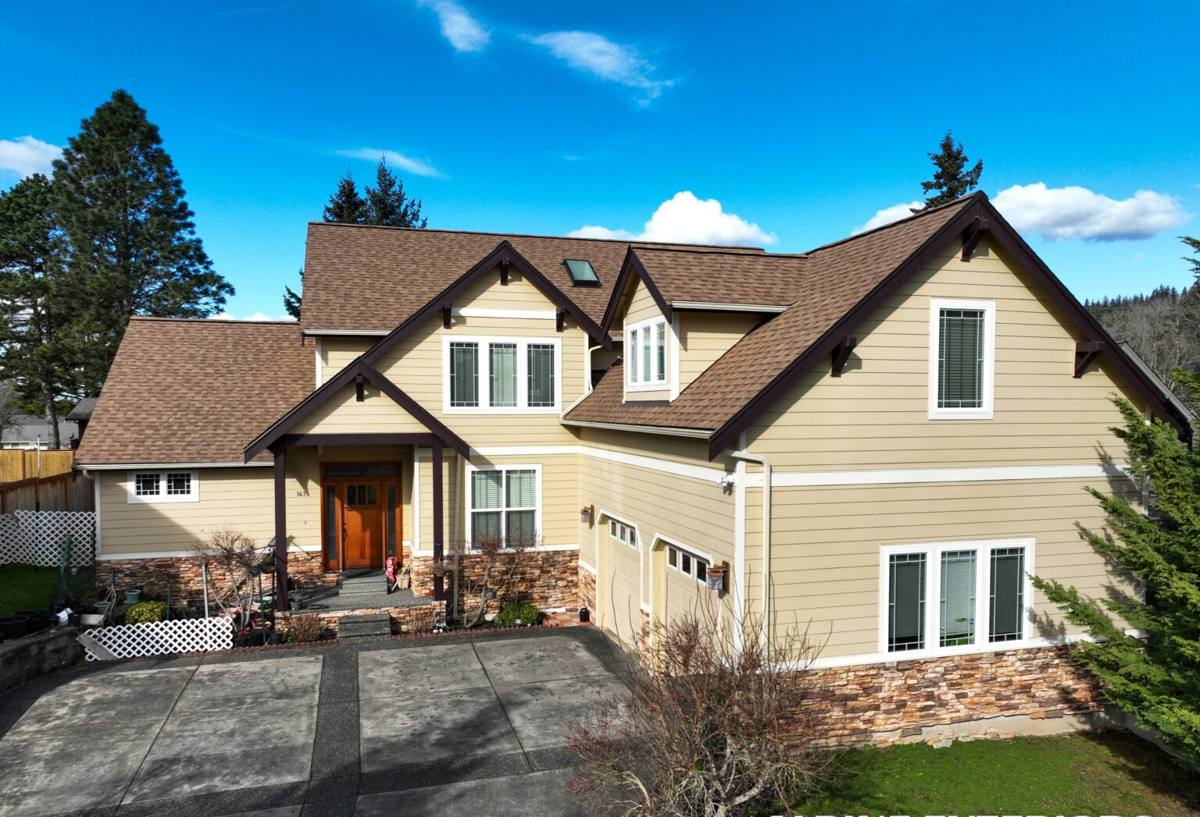
What Salt Air, Rain, and Moss Actually Do to Older Windows
Salt Air and Hardware
Airborne salt is corrosive to metal. Window locks, hinges, balance mechanisms, and screen frames on older units start to pit, stick, or seize up years before a comparable window would fail somewhere without marine exposure. Aluminum-framed windows are especially prone to this, and even vinyl and wood windows have metal hardware inside that takes the same beating.
Wind-Driven Rain and Water Intrusion
Rain that comes in sideways behaves differently than rain that falls straight down. It finds gaps in old caulking, worn weatherstripping, and butt joints in trim that were never a problem in calmer weather. Once water gets behind a window frame, it doesn't dry out quickly in our humidity — it sits, and that's when rot and mold set in.
Moss, Shade, and Constant Dampness
Wood sills, sashes, and exterior trim in shaded or north-facing spots stay damp longer here than almost anywhere else in the state. Moss and algae growth on nearby siding and roofing hold moisture against the wall assembly, and that moisture migrates toward window openings. Over time this softens wood components and breaks down old glazing putty and caulk faster than a sun-exposed window on the same house.
Signs a Lopez Village Home Needs Window Replacement
Not every issue means a full replacement — sometimes a window can be repaired or re-sealed. But certain signs point toward replacement being the more honest, cost-effective answer:
- Soft, spongy, or visibly rotted wood at the sill, jamb, or exterior trim
- Windows that are difficult to open, close, or lock — often a sign of hardware corrosion or a warped frame
- Persistent condensation between panes, which means the seal on a double- or triple-pane unit has failed
- Visible daylight or a noticeable draft around the frame when it's windy
- Peeling paint or staining on interior trim below or around the window, suggesting water intrusion
- Fogging, cloudiness, or a chalky film on the glass that cleaning doesn't fix
- A noticeable rise in heating costs with no other explanation
If a window is showing one or two of these signs, a repair might buy time. If several are present, or the frame itself is compromised, replacement is usually the more practical long-term move — a repaired frame that's already rotting will keep failing.
What a Correct Window Replacement Job Actually Involves
Window replacement done right is not just popping a new unit into an old opening. On a marine-climate home, the details around the window matter as much as the window itself.
Full Assessment Before Removal
Before we touch anything, we check the condition of the framing, sill, and sheathing around each window. If there's hidden rot from years of water intrusion, that needs to be addressed before a new window goes in — installing a good window into a compromised opening just delays the same problem.
Proper Flashing and Water Management
Every opening gets flashed to shed water down and away from the frame, tying into the home's existing weather-resistive barrier correctly rather than just caulking the perimeter and calling it done. In a climate with regular wind-driven rain, flashing details at the head, jambs, and sill are the difference between a window that stays dry for decades and one that leaks again in a few years.
Sealants and Materials Rated for the Exposure
We use sealants and flashing tapes suited to sustained UV, moisture, and salt exposure rather than generic products that harden and crack early in this environment. Fasteners and any exposed hardware should be corrosion-resistant, not just standard-grade.
Insulation and Air Sealing
The gap between the new window frame and the rough opening gets properly insulated and air-sealed — not stuffed with excess foam, which can bow a frame, and not left with gaps, which undermines both energy performance and water management.
Interior and Exterior Finish Work
Trim, casing, and any siding disturbed during the install get finished and sealed to match, so the completed opening looks intentional and stays weathertight on both sides of the wall.
Choosing the Right Window Material for an Island Home
Material choice matters more here than in a drier, inland climate, because the window is fighting salt air and moisture for its entire service life. Here's how the common options compare for a Lopez Village setting:
| Material | Salt Air & Moisture Resistance | Maintenance | Typical Lifespan |
|---|---|---|---|
| Vinyl | Good — won't corrode or rot, though hardware quality varies by manufacturer | Low — occasional cleaning, no painting | 20–30+ years |
| Fiberglass | Very good — dimensionally stable, resists warping in temperature and moisture swings | Low | 30–40+ years |
| Wood (unclad) | Poor without diligent upkeep — attractive but demands regular maintenance in this climate | High — repainting/sealing on a recurring schedule | Varies widely with upkeep |
| Aluminum-clad wood | Good exterior protection, but clad seams and corners need careful detailing near salt exposure | Moderate | 25–35+ years |
We don't push one material on every job. The right call depends on the home's style, budget, and how much upkeep an owner realistically wants to do. What we do steer people away from is unclad wood in directly exposed, shaded locations unless they're committed to a real maintenance schedule — it's simply a heavier maintenance burden than this climate rewards.
Glass Packages Worth Considering in a Marine Climate
The glass unit itself matters as much as the frame material. A few things worth understanding before choosing:
Double-Pane vs. Triple-Pane
Double-pane with a quality low-E coating and argon fill performs well for most Lopez Village homes and is the more common, budget-friendly choice. Triple-pane adds another layer of insulation and sound dampening — worth considering for a home with a lot of glass facing prevailing wind and rain, or for an owner prioritizing energy performance over the added upfront cost.
Seal Quality
A failed seal shows up as fogging or moisture trapped between the panes, and it's one of the most common warranty issues on lower-grade windows in coastal climates. Ask about the manufacturer's seal warranty specifically — it tells you a lot about how confident they are in their own product for a demanding environment.
Condensation and Ventilation
Tighter, better-sealed new windows reduce drafts, but they also reduce incidental air exchange. Homes that were drafty for decades sometimes see more interior condensation once new windows go in, simply because moist indoor air isn't escaping through old gaps anymore. This is a normal adjustment, and we'll talk through ventilation with you if it's likely to be a factor in your home.
Our Process for a Lopez Village Project
Working across the San Juan Islands means factoring in logistics that a mainland contractor doesn't have to think about. Here's roughly how a project runs:
- On-site assessment: We look at every window in scope, check framing condition, and talk through material and glass options based on your budget and how exposed each window is.
- Accurate measurement and ordering: Custom windows are ordered to the exact opening. Because materials often arrive by ferry or barge, we build realistic lead times into the schedule rather than promising a turnaround we can't hit.
- Install day planning: We schedule around weather windows where possible — opening a wall to wind-driven rain is asking for trouble, so timing matters more here than it would in a drier climate.
- Careful removal and opening prep: Old windows come out, framing is inspected and repaired if needed, and the opening is properly flashed before the new unit goes in.
- Installation and sealing: New windows are set, insulated, flashed, and sealed with materials rated for sustained moisture and salt exposure.
- Finish work and cleanup: Interior and exterior trim is finished to match, and the site is cleaned up — old windows and debris hauled off, not left for an inter-island trip you have to arrange yourself.
Cost Factors for Lopez Village Window Replacement
Every home is different, so we won't quote a number without seeing the job — but these are the main factors that move the price up or down:
| Factor | How It Affects Cost |
|---|---|
| Number and size of windows | The most straightforward driver — more openings and larger units mean more material and labor |
| Frame material | Vinyl is typically the most budget-friendly; fiberglass and clad-wood options cost more upfront |
| Glass package | Triple-pane and specialty coatings add cost over a standard double-pane low-E unit |
| Hidden rot or framing repair | Discovered damage around an opening adds labor and material not visible before removal |
| Access and site conditions | Second-story windows, tight access, or extensive trim work take more time |
| Delivery logistics | Ferry and barge scheduling for custom orders affects lead time more than final price, but should be planned for |
We'd rather walk your home, give you an honest range, and explain what's driving the number than throw out a figure that won't hold up once we're actually on site.
Why Hiring a Crew That Already Works the San Juan Islands Matters
Getting a contractor to an island job is its own logistical exercise, and it shapes how a project — and any warranty work after it — actually goes. A crew based on Orcas Island that regularly works Lopez Village already has the ferry schedule, delivery timing, and site logistics figured out; it's not a novelty trip that gets deprioritized the moment something on the mainland comes up. That matters most after the job is done. If a seal fails or a corner of trim needs attention two years down the road, you want a crew for whom a return visit to Lopez Village is routine, not a hassle they'd rather avoid.
Local, ongoing presence also means we've seen how different products and installation details actually hold up in San Juan County's specific conditions over years, not just in a showroom or a manufacturer's spec sheet. That's the kind of judgment that only comes from doing the work here repeatedly.
Caring for New Windows in a Salt Air, Moss-Prone Environment
A correctly installed window still benefits from basic upkeep in this climate:
- Rinse exterior frames periodically to clear salt residue, especially on windows facing open water or prevailing wind
- Keep gutters and nearby drainage clear so water isn't sheeting down across window heads
- Check and clean weep holes on vinyl and fiberglass frames so water can drain as designed
- Trim back vegetation and clear moss buildup on adjacent siding or trim so damp material isn't sitting against the window opening
- Re-caulk exposed joints if you notice cracking or gaps, rather than waiting for water to find its way in
None of this is heavy maintenance — it's the same kind of periodic attention any exterior component needs out here, and it goes a long way toward getting the full service life out of a new window.
Get a Straight Answer for Your Lopez Village Home
If your windows are showing their age, or you're just not sure whether repair or replacement is the right call, we're happy to take a look. There's no pressure and no obligation — just an honest assessment from a crew that already knows what San Juan County's salt air, rain, and moss do to windows over time. Use the form below to request a free estimate.