 Orcas Island Siding
 Building New in Lopez Village: What the Climate Actually Demands
If you're framing a new home or a major addition in Lopez Village, the windows are one of the few components that have to perform against everything the San Juan Islands throw at a building envelope at once: salt-laden air off the water, wind-driven rain that doesn't fall straight down, and a wet season that stretches long enough for moss and algae to get a foothold on anything shaded or slow to dry. None of that is exotic weather, but it is persistent, and persistent is what wears out flashing details and hardware finishes that would be fine in a drier inland climate.
New-construction window work is different from a replacement job, and it's worth understanding why before you pick a contractor or sign off on a window schedule. Get it right at framing stage and the windows should give you decades of trouble-free service. Get it wrong, and you won't see the consequences until the finishes are painted, the siding is closed up, and the leak is already inside the wall cavity.
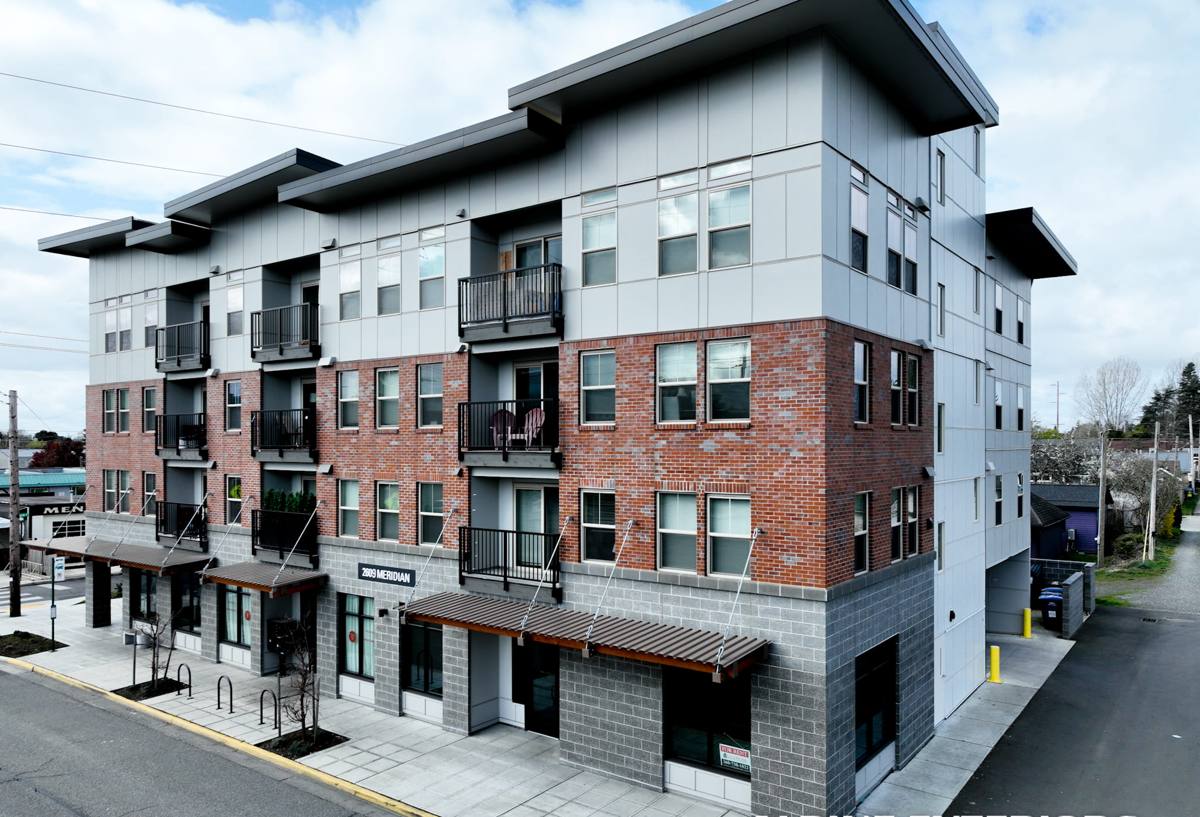
New-Construction vs. Replacement: Why the Distinction Matters
A replacement window goes into an existing, already-flashed opening — the contractor is working with what's there. A new-construction window is installed into a raw rough opening before siding, before the weather-resistive barrier is fully lapped, and often before the roof is even watertight. That means the window installer is setting the flashing sequence that the rest of the building envelope depends on, not just hanging a unit and caulking around it.
This is also where "new-construction" windows differ as a product: they typically include a nailing fin around the perimeter of the frame, designed to be integrated into the wall's weather-resistive barrier (WRB) in a specific shingle-lap order. Replacement windows generally don't have this fin, because they're designed to seat into an existing frame instead. Using the wrong window type, or installing the right window with the wrong flashing sequence, is one of the more common and expensive mistakes we see corrected on new builds across the islands.
Why This Matters More in a Marine Climate
In a drier climate, a flashing shortcut might go unnoticed for years. On a site exposed to Salish Sea weather, wind-driven rain finds gaps that vertical rain never would. Water pushed sideways by wind will travel uphill along a poorly lapped flange or through a sealant-only "flashing" job. On Lopez Village builds, we treat the window opening as a drainage plane problem first and a fastening problem second.
What a Correct New-Construction Window Install Involves
There's a specific, sequential order to this work, and skipping steps — even ones that seem redundant — is where leaks start. A correct install includes:
- Sill pan flashing at the rough opening, sloped or with a back dam, so any water that gets past the window has a way out instead of pooling on the sill framing.
- Back-bedding or sealant at the nailing fin in the manufacturer-specified pattern — not a full bead that traps water, but a pattern that lets any incidental moisture drain rather than sit against the frame.
- Shingle-lap integration with the WRB: house wrap or building paper at the sides and top must overlap the fin correctly so water sheds down and over the flashing, never behind it.
- Head flashing above the window, installed last in the sequence, lapped over the WRB above it.
- Proper shimming and fastening so the frame isn't racked or bowed, which affects both weather sealing and how the sash operates for the life of the window.
- Interior air sealing with low-expansion foam or backer rod and sealant — this is an energy and condensation-control step as much as a weatherproofing one.
Every one of these steps is inspectable before siding goes on, which is exactly why we photograph flashing details during the rough-in stage — not for show, but because it's the only point in the build when this work is visible.
Choosing Frame Material and Glass for This Climate
Material choice matters more in a coastal, high-moisture environment than it does inland. Salt air accelerates corrosion on certain hardware and finishes, and constant moisture exposure rewards materials and finishes that don't depend on paint film integrity to stay protected.
| Frame Material | How It Handles Salt Air & Moisture | Trade-Offs |
|---|---|---|
| Vinyl | Won't corrode or rust; consistent performance in wet, salty air | Limited color/finish options; can flex on larger sizes without added reinforcement |
| Fiberglass | Very stable dimensionally, resists moisture and corrosion well, holds paint finishes long-term | Higher upfront cost than vinyl |
| Wood-clad | Attractive interior wood, but the exterior cladding and joints need to be well-sealed and inspected | More maintenance sensitivity long-term; cladding seams are a moisture entry point if neglected |
| Bare aluminum | Prone to corrosion and condensation issues in humid coastal air unless thermally broken | We generally steer new builds away from unclad aluminum in this climate for this reason |
We're not going to tell you a given brand or material is "bad" — most quality window lines perform fine when installed correctly. What we will say plainly: in a marine environment, we favor frame materials and hardware finishes with a track record of holding up without constant upkeep, because moisture and salt exposure here are relentless, not occasional.
Glass and Energy Code
Washington's energy code sets minimum U-factor requirements for new construction, and San Juan County enforces those same standards. Most quality double-pane, low-E units meet code comfortably; the bigger real-world factor for island homes is condensation resistance and how well the glass and frame combination handles a home that's often shut up tight against wind and salt spray for stretches at a time.
Our Process, Rough Opening to Final Seal
- Review the window schedule and rough opening sizes against the manufacturer's specs before any units arrive on site.
- Confirm WRB and flashing materials are compatible with the window manufacturer's requirements — mismatched sealant and membrane chemistries can fail to bond.
- Install sill pan flashing and dry-fit each window before permanent fastening.
- Set, shim, and fasten the window plumb, level, and square, then integrate side and head flashing in proper shingle-lap order.
- Photograph flashing details at each opening before siding closes them in.
- Air-seal the interior perimeter and confirm sash operation once the unit is fully fastened.
- Final walkthrough once siding and trim are complete, checking reveals, caulking lines, and operation.
This is deliberately unglamorous work. The goal on every opening is the same: water that reaches the window sheds back out, never behind the WRB.
Cost Factors for a New-Construction Window Package
Every project's total depends on the window count, sizes, and material grade, but the line items that typically move the price are consistent:
| Factor | Why It Affects Cost |
|---|---|
| Frame material and glass package | Vinyl, fiberglass, and wood-clad options span a wide price range; upgraded low-E or impact-resistant glass adds cost |
| Window size and configuration | Large picture windows, custom shapes, or multi-unit combinations cost more to source and install than standard sliders or casements |
| Site access and logistics | Ferry scheduling and delivery lead times for materials to the islands can affect both cost and timeline |
| Flashing and WRB detailing complexity | Homes with more corners, dormers, or complex rooflines simply have more openings requiring careful flashing work |
| Coordination with siding trade | Tighter sequencing between window install and siding close-in reduces exposure time to weather during the build |
We'll walk through these specifics for your plan set at the estimate rather than quoting broad numbers that don't reflect your actual window schedule.
Mistakes We Catch on New Builds
Most window problems we're called to fix later trace back to a handful of avoidable errors during the original install. On new-construction jobs we specifically watch for:
- Sealant-only "flashing" instead of proper mechanical lapping of the WRB over the fin
- Reversed shingle-lap order, where head flashing goes on before the side WRB laps over it correctly
- No sill pan or back dam, leaving incidental water with nowhere to go but into the framing
- Over-shimmed or racked frames that bind the sash or stress the seal over time
- Full sealant beads at the nailing fin that trap water instead of letting it drain
- Mismatched sealant chemistry between the window manufacturer's requirements and what's used on site
Why a Crew That Already Works Lopez Village Matters
General construction knowledge gets a house built. Local knowledge is what keeps that house dry ten years later. Wind exposure and rain direction vary noticeably from one site to another across the San Juan Islands depending on how sheltered or exposed a lot is, and a crew that's worked multiple builds on Lopez Village has a feel for where extra attention to flashing and drainage pays off versus where a standard detail is sufficient.
There's also the practical reality of building on an island: material deliveries, ferry schedules, and weather windows all affect how a project gets sequenced. A crew that already accounts for those logistics tends to keep window openings closed in faster, which matters directly for how much weather exposure that WRB and rough framing see before siding goes on.
Living With the Moss Season
San Juan County's long damp season is hard on anything horizontal or shaded — sills, trim, and the tops of window and door casings included. Moss and algae growth on those surfaces isn't just cosmetic; a buildup that holds moisture against wood trim or a poorly sealed joint accelerates rot over time. Choosing durable sill and trim materials at the framing stage, and keeping window and door casings clear of overhanging vegetation shade where the plan allows, both help reduce how much upkeep the exterior needs once the home is finished.
What to Ask Before You Sign a Window Contract
Whether you're vetting us or another contractor for new-construction window work, a few direct questions tell you a lot about how seriously flashing and sequencing are taken on your job:
- Will you photograph flashing details at each opening before siding closes them in?
- What sill pan and back dam detail do you use, and does it match the window manufacturer's installation instructions?
- Who coordinates the WRB lap sequence between the framer, window installer, and siding crew?
- What happens if a window arrives damaged or doesn't match the rough opening — what's the fallback plan?
- Do you warranty the installation separately from the manufacturer's product warranty?
If you're planning a new build or addition in Lopez Village and want windows installed the way this climate actually requires, we're happy to walk your plans and give you a straightforward, no-pressure estimate — just fill out the form below.