 Orcas Island Siding
 Why Lopez Island Roofs Wear on Their Own Timeline
A roof on Lopez Island doesn't age the way a roof does forty miles inland. The same shingles, installed the same way, will hold up longer in a dry valley than they will out here, where salt-laden air moves off the water almost every day and rain rarely falls straight down. If you're planning a roof replacement, it helps to understand why island roofs fail differently before you decide what to put back up.
We work on homes across Orcas Island and the surrounding San Juan County islands, and Lopez has its own particular mix of exposure: open shoreline properties that take the brunt of wind-driven rain, and tree-covered interior lots where moss and moisture are the bigger problem. A good replacement plan accounts for which situation your house is actually in, not a generic checklist.
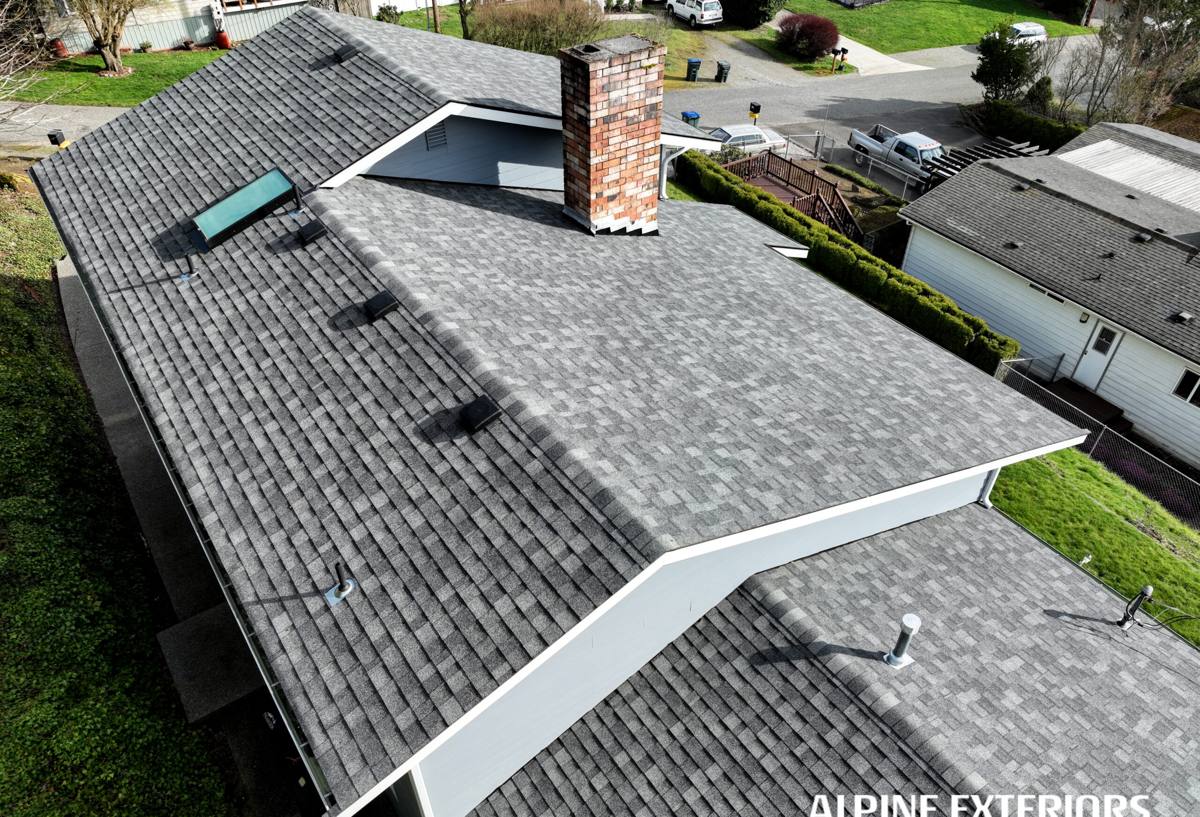
What Salt Air, Rain, and Moss Actually Do to a Roof
Salt Air and Metal Fatigue
Salt in the air accelerates corrosion on anything metal — flashing, fasteners, drip edge, valleys, and vent stacks. Standard galvanized fasteners and low-grade flashing can start showing rust streaks and pinholing years before a comparable roof would inland. This matters more than most homeowners expect, because flashing failure is one of the most common causes of roof leaks, not shingle failure itself.
Driving Rain and Wind-Driven Moisture
San Juan County gets plenty of rain that doesn't fall straight down — it comes in sideways off the water. That kind of wind-driven rain finds its way under poorly lapped shingles, undersized underlayment, and marginal flashing details around chimneys, skylights, and roof-to-wall transitions. A roof that would be fine in a calm rain event can still leak in a wind-driven one if those details were cut short the first time around.
The Long Moss Season
Shade, moisture, and mild temperatures make a long moss season here, especially on north-facing slopes and roofs under tree cover. Moss isn't just cosmetic — it holds water against the roofing material, works its way under shingle tabs, and can lift edges over time. Left unchecked for years, moss growth shortens the effective life of almost any roofing material.
Signs Your Lopez Island Home Needs Replacement, Not Repair
Not every roof problem calls for a full replacement. But there's a point where patching stops making financial sense and a new roof becomes the honest recommendation. Some signs to watch for:
- Shingles that are curling, cupping, or losing granules across large sections, not just one isolated area
- Repeated leaks in different spots after previous repairs — a sign the underlayment or decking is failing broadly, not locally
- Visible daylight or soft spots in the roof deck when accessed from the attic
- Heavy, long-term moss buildup that has lifted shingle edges rather than just staining the surface
- Flashing that's rusted, cracked, or pulling away around chimneys, vents, and valleys
- A roof that's at or past the manufacturer's expected service life for this climate, even if it "looks okay" from the ground
If your roof shows two or more of these, it's worth having someone look at it in person rather than guessing from curb appeal.
Choosing a Roofing Material for This Climate
There's no single "best" roofing material for every Lopez Island home — it depends on tree cover, roof pitch, budget, and how much maintenance you want to take on. Here's how the common options compare for this specific climate:
| Material | Salt Air Behavior | Moss Resistance | Typical Lifespan Here |
|---|---|---|---|
| Architectural asphalt shingle | Good with corrosion-resistant flashing | Moderate — benefits from zinc/copper strips | 20-30 years |
| Standing seam metal | Excellent with marine-grade coatings | Very good — sheds moss more easily | 40-50+ years |
| Cedar shake | Fair — needs regular treatment | Poor without diligent upkeep | 20-25 years with maintenance |
| Synthetic/composite shingle | Good | Moderate to good | 30-40 years |
We install and recommend materials based on where your roof sits and what exposure it actually gets — a shaded, tree-covered interior lot and an open waterfront lot on the same island can reasonably end up with different recommendations.
A Note on Cedar Shake
Cedar has a real place on island homes and plenty of owners love the look. Our professional standard is to be upfront that it carries a higher maintenance burden in this climate — periodic treatment and moss management — than asphalt or metal. We'll install it if that's the right fit for your home and your willingness to maintain it, but we won't oversell it as low-maintenance when it isn't.
What a Correct Roof Replacement Actually Involves
A roof replacement is more than swapping old shingles for new ones. On island homes exposed to salt air and driving rain, the details underneath the visible surface matter as much as the material on top.
Full Tear-Off and Deck Inspection
We remove the existing roofing down to the deck rather than layering over it. This lets us actually inspect the sheathing for soft spots, rot, or moisture damage that wouldn't be visible from above — common on roofs that have had long-term moss coverage or slow leaks.
Underlayment Built for Wind-Driven Rain
Given how often rain here comes in sideways, we use underlayment and ice-and-water shield details at eaves, valleys, and penetrations that are built for wind-driven moisture, not just standard vertical rainfall.
Corrosion-Resistant Flashing and Fasteners
Because salt air accelerates corrosion, flashing, drip edge, and fasteners matter more here than they would on an inland home. We use materials rated for coastal exposure rather than standard-grade components that may look fine on day one but corrode early.
Ventilation That Reduces Moss Pressure
Proper attic and roof ventilation reduces the trapped moisture that feeds moss growth and speeds up material breakdown. Where it makes sense, we address ventilation as part of the replacement rather than leaving an undersized system in place under a new roof.
Our Process From Estimate to Cleanup
- On-site assessment — we inspect the current roof, attic, and structure in person, not from a photo or satellite view
- Honest scope and options — we walk through material options and what each one means for this specific roof and exposure
- Written estimate — clear scope, materials, and timeline before any work starts
- Scheduling around ferry logistics — materials and crew arrival planned to avoid mid-project delays
- Tear-off, deck repair, and installation — done in sequence with weather windows in mind
- Final walkthrough and cleanup — site cleared, details reviewed with the homeowner before we consider the job done
Cost Factors for a Lopez Island Roof Replacement
Every roof is different, so we don't quote a number without seeing the job. But the main factors that move cost up or down are consistent from house to house:
| Factor | Why It Matters |
|---|---|
| Roof size and pitch | More surface area and steeper pitches mean more material and labor time |
| Deck condition | Rotten or soft sheathing found during tear-off adds repair scope |
| Material choice | Asphalt, metal, and cedar carry different material and install costs |
| Number of penetrations | Chimneys, skylights, and vents each need flashing detail work |
| Access and logistics | Island delivery and site access can affect scheduling and cost |
| Existing layers | Removing multiple old roofing layers adds tear-off time |
Why a Crew That Already Works Lopez Island Matters
Getting materials, crew, and equipment to Lopez Island isn't as simple as pulling up to a job site on the mainland. Ferry schedules affect when a crew can realistically arrive and how a project gets sequenced. A contractor who already works this island regularly builds their scheduling and material orders around that reality — instead of discovering it mid-project and leaving a torn-off roof exposed to rain while they wait on a delayed ferry or a missed materials run.
Local familiarity also means we already understand which parts of the island tend to be more exposed to wind-driven rain, which lots hold onto moss longer under tree cover, and what flashing and fastener grade actually holds up here versus what's sold as standard in a big-box catalog built for inland climates.
Maintaining Your New Roof Through Moss Season
A correctly installed roof still benefits from basic upkeep in this climate. A few habits go a long way:
- Keep overhanging branches trimmed back to reduce shade and debris buildup
- Clear gutters and valleys before the wet season so water has somewhere to go
- Have moss growth addressed early, before it lifts shingle edges rather than after
- Schedule a periodic visual inspection, especially after major wind events
- Address small flashing or fastener issues promptly rather than waiting for a leak to appear inside
None of this requires major work if it's done consistently — it's the neglected roofs, not the maintained ones, that end up needing early replacement out here.
If your Lopez Island roof is showing its age or you just want an honest opinion on repair versus replacement, we're happy to take a look. Reach out for a free, no-pressure estimate using the form below.