 Orcas Island Siding
 Roof Repair Built for Eastsound's Marine Climate
Homes in Eastsound sit right in the path of everything Orcas Island's weather throws at a roof: salt-laden air off the water, driving rain that comes in sideways during winter storms, and long stretches of shade and dampness that keep moss growing for most of the year. A roof repair here has to account for all three, not just patch the spot where water finally showed up inside the house. We repair roofs across Eastsound and the rest of Orcas Island, and the patterns of damage we see are shaped directly by this stretch of San Juan County's climate.
This page covers what roof repair actually means for a home in Eastsound — what typically fails first, what a repair done right involves, and how to tell when a repair is still the right call versus when it isn't.
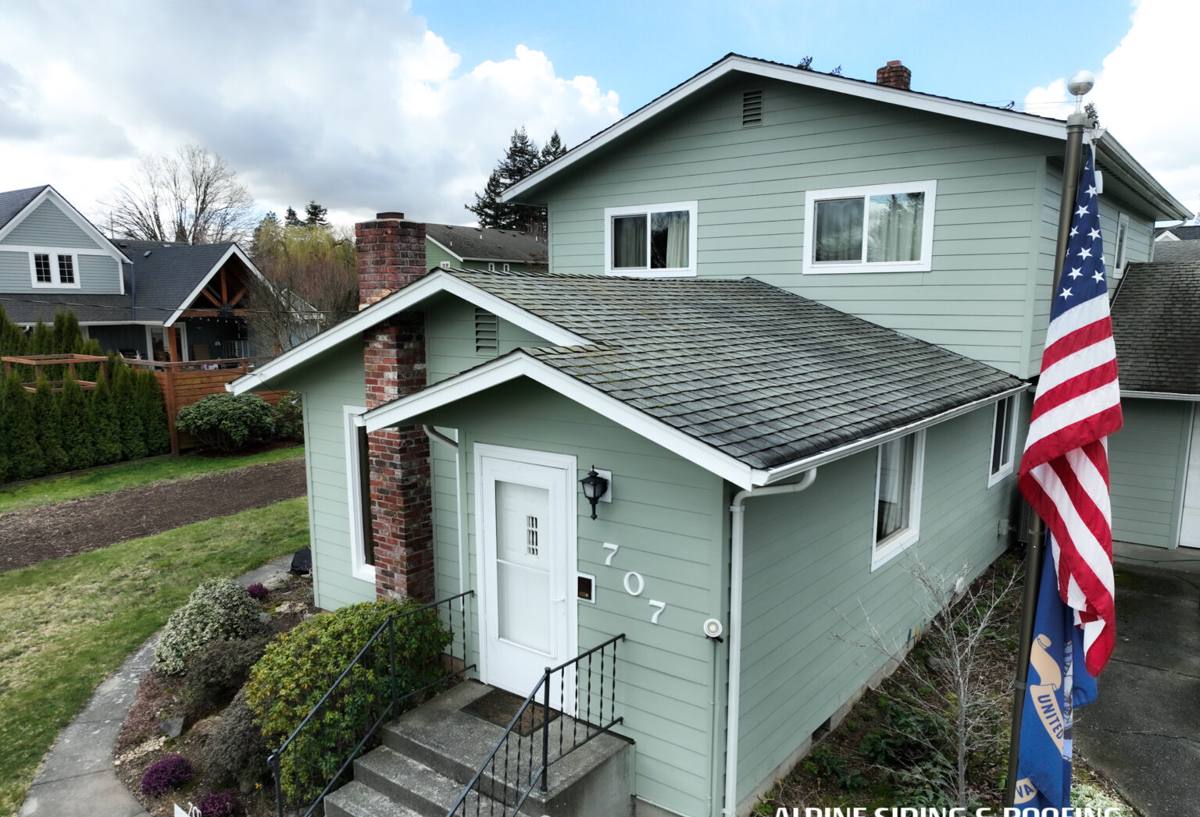
Why Eastsound Roofs Wear Differently Than Inland Roofs
Salt Air and Metal Fatigue
Salt air accelerates corrosion on any exposed metal — flashing, fasteners, gutter hangers, roof vents. On a roof further inland, a galvanized nail or a piece of unpainted flashing might hold up for decades. On Orcas Island, that same metal can start showing rust and pitting years earlier. When we find a leak that traces back to corroded flashing or fastener heads that have rusted through, salt exposure is almost always part of the story.
Driving Rain and Wind-Driven Water
Eastsound gets its share of Pacific storms moving through the San Juans, and when rain comes in at an angle instead of straight down, it finds every weak point in a roof's water-shedding system — lifted shingle tabs, undersized flashing laps, gaps around vent boots. Roofs that would stay dry in a light, vertical rain can leak under wind-driven conditions if those details aren't built with enough margin.
Moss, Shade, and Extended Moisture
Orcas Island's tree cover and cooler, damp shoulder seasons give moss a long growing window. Moss holds moisture against the roof surface far longer than the roof itself would otherwise stay wet, which softens shingles, works into seams, and can lift edges enough for wind and rain to get underneath. Left unaddressed, moss doesn't just look bad — it actively shortens the life of the roofing material underneath it.
Signs an Eastsound Roof Needs Repair
Most roof repairs start with a small, specific symptom rather than obvious, widespread damage. Homeowners typically call us after noticing one or more of the following:
- A water stain on a ceiling or in an attic that only shows up during or after heavy, wind-driven rain
- Visible moss growth concentrated on the shaded or north-facing slopes of the roof
- Shingles that look cupped, curled, or lifted at the edges, especially after a windy stretch
- Rust streaks below metal flashing, vents, or fasteners
- Granules collecting in gutters, which signal shingle surface wear
- Soft or spongy spots when walking the roof, which usually mean the decking underneath has taken on moisture
- Daylight visible through the roof deck from inside an attic
None of these automatically mean a full replacement is needed. Most of them, caught early, are exactly what a targeted repair is meant to fix.
What a Correct Repair Actually Involves
A roof repair that holds up in Eastsound's climate goes further than covering the visible problem. We treat every repair as three separate questions: what failed, why it failed, and what needs to change so it doesn't fail again in the same spot.
Finding the Real Source
Water travels before it shows up as a stain. A leak that appears over a bedroom might originate several feet away, at a flashing lap or a nail pop higher up the roof plane. We trace the actual entry point rather than patching wherever the stain is visible, because a cosmetic patch over the wrong spot just delays the next leak.
Matching Materials and Method
Repairs need to match the existing roofing system in material, profile, and fastening method — mismatched shingles or the wrong flashing gauge can create new weak points even when the workmanship is careful. On older roofs, this sometimes means sourcing a close match rather than an exact one, and being upfront with the homeowner about that tradeoff.
Addressing Moss Correctly, Not Just Cosmetically
Pressure washing moss off a roof can do more harm than good — it can drive water under shingle tabs and strip protective granules. We remove moss with methods appropriate to the roofing material, treat the affected area to slow regrowth, and check for soft decking underneath where moss has been established for a long time.
Checking the Assemblies Around the Repair
A flashing repair is only as good as the underlayment and decking it ties into. Part of a correct repair is confirming that the surrounding materials are still sound — if the decking has softened or the underlayment has failed over a broader area than the visible symptom suggests, that needs to be part of the conversation before we close the roof back up.
Common Eastsound Roof Repair Issues
| Issue | Typical Cause | What the Repair Involves |
|---|---|---|
| Leak at chimney or wall flashing | Corroded or improperly lapped flashing, often accelerated by salt air | Remove and replace flashing with correct step and counter-flashing detail |
| Leak at roof penetrations (vents, pipes) | Cracked or UV-worn pipe boots, wind-driven rain finding gaps | Replace boot and surrounding shingles, reseal correctly |
| Soft or spongy decking | Prolonged moisture from moss or an undetected slow leak | Cut out and replace affected decking, then repair roofing over it |
| Lifted or missing shingles | Wind events common to San Juan County storms | Replace missing shingles, re-secure lifted tabs, check for hidden fastener damage |
| Rust staining and metal deterioration | Ongoing salt air exposure on exposed fasteners and flashing | Replace corroded metal components with materials suited to marine exposure |
| Heavy moss coverage | Shade, tree cover, and extended damp seasons | Safe moss removal, treatment, and inspection of the roofing beneath it |
Our Roof Repair Process
We keep the process straightforward so homeowners know what to expect before any work starts.
1. On-Site Inspection
We walk the roof and the attic where accessible, looking for both the visible symptom and its actual source. We also check the general condition of the roofing field, not just the area where the problem was reported.
2. Honest Assessment
We explain what we found in plain terms — what needs to be repaired now, what's worth keeping an eye on, and whether repair is genuinely the right call or if a larger issue makes replacement the more sensible long-term option. We'd rather tell a homeowner a repair is temporary than let them think it's a permanent fix when it isn't.
3. Written Estimate
The estimate covers scope, materials, and what the repair does and does not address, so there are no surprises once work begins.
4. The Repair
We complete the work using materials matched to the existing roof and appropriate to Orcas Island's climate, then check surrounding areas to confirm the fix holds under the roof's actual drainage pattern rather than just visually.
5. Follow-Up
For repairs tied to moss or drainage issues, we let homeowners know what to watch for afterward, since some conditions — like regrowth on a heavily shaded slope — are ongoing maintenance items rather than one-time fixes.
Repair or Replace? How We Help You Decide
Not every roof problem in Eastsound calls for the same solution. The right call usually comes down to how much of the roof is affected, how old the roofing material already is, and how the damage relates to the deck and structure underneath it.
| Factor | Leans Toward Repair | Leans Toward Replacement |
|---|---|---|
| Extent of damage | Isolated to one area or penetration | Spread across multiple slopes or the whole roof |
| Age of roofing material | Well within its expected service life | Near or past the end of its expected life |
| Decking condition | Sound, dry decking beneath the damage | Widespread soft or rotted decking |
| Moss history | Recent growth, roofing still intact underneath | Long-term moss coverage with material breakdown |
| Cost relative to remaining life | Repair cost is modest relative to years of life left | Repeated repairs are approaching the cost of replacement |
Costs vary a lot depending on scope — a contained flashing or shingle repair is generally a modest expense, while a repair that uncovers extensive decking damage or widespread moss deterioration will cost more because of the added materials and labor. We'll always walk through that math with you rather than just quoting a number.
Materials and Methods We Use on Orcas Island Roofs
Given the salt air and moisture exposure common in Eastsound, we favor fasteners and flashing rated for coastal or marine environments over standard-grade materials wherever the existing roof system allows it — the small added cost upfront generally pays for itself by not corroding out again in a few years. For moss-prone slopes, we look at drainage and airflow around the repair area, not just the shingles themselves, since standing moisture is what lets moss take hold in the first place. We're straightforward about tradeoffs: a cheaper fastener or a shortcut flashing detail might save a little now, but on this island's climate it usually means doing the same repair again sooner than it should be needed.
Why Hire a Crew That Already Works Eastsound
Roofing on Orcas Island comes with logistics that a mainland crew doesn't have to think about — ferry schedules affect how repair days get planned, and material availability isn't as immediate as it would be in a larger market on the mainland. A crew that regularly works Eastsound and the rest of San Juan County plans around those realities instead of getting caught by them, which means fewer delays and fewer surprise return trips. Just as important, we've seen firsthand how this specific stretch of coastline treats roofing materials — which flashing details hold up to the salt air, which slopes collect moss fastest, and which storm patterns cause the most wind-driven leaks. That local pattern recognition is what turns a repair into a lasting fix instead of a temporary one.
Simple Maintenance Checklist for Eastsound Homeowners
Between repairs, a little regular attention goes a long way on a roof exposed to this much salt air and moisture:
- Clear gutters and downspouts at least twice a year so water isn't backing up under the roof edge
- Trim back tree limbs that shade roof sections and keep them damp longer than the rest of the roof
- Check shaded, north-facing slopes for early moss growth before it spreads
- Look at exposed flashing and fasteners periodically for early rust staining
- After major windstorms, do a visual check from the ground for lifted or missing shingles
- Have soft spots or ceiling stains looked at promptly rather than waiting for them to spread
If you're dealing with a leak, moss buildup, or storm damage on an Eastsound roof, we're happy to take a look and give you a straightforward, no-pressure estimate on what it would take to fix it right. Use the form below to get in touch.