 Orcas Island Siding
 West Beach's Weather Is Rough on Windows
West Beach sits exposed to whatever comes off the water — steady wind, driving rain that hits siding and glass sideways rather than straight down, and a damp, mossy stretch of the year that can run from late fall well into spring. On Orcas Island, and across San Juan County generally, that combination is harder on windows than most manufacturers' warranty language accounts for. Salt-laden air accelerates corrosion on hardware and fasteners. Constant moisture works into any gap in the flashing or sealant. And moss doesn't just grow on roofs — it takes hold in sill tracks, weep holes, and frame corners that stay wet and shaded for weeks at a time.
A window that's rated well on paper can still underperform here if it wasn't installed with this specific exposure in mind. We've replaced enough failed installs on this side of the island to know that the product matters less than people think, and the installation detail matters more.
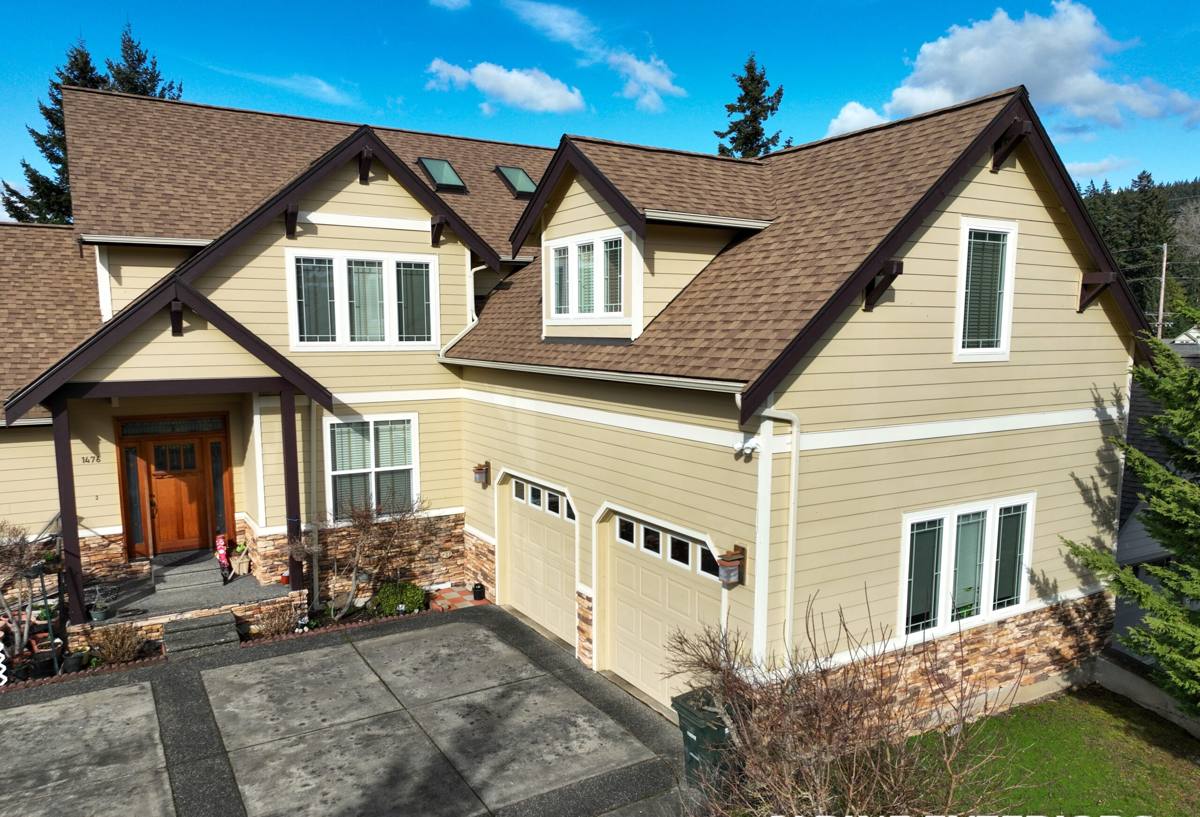
What "Energy-Efficient" Actually Means in This Climate
Energy efficiency for a Pacific Northwest marine climate isn't the same problem as energy efficiency in a hot, dry climate. Homeowners here aren't fighting intense summer sun through most of the year — they're fighting heat loss, condensation, and moisture intrusion. That changes which window specs actually matter.
- U-factor — measures how much heat escapes through the window. Lower is better for our cool, wet winters. This is the number that matters most for heating bills on Orcas Island.
- Solar Heat Gain Coefficient (SHGC) — measures how much solar heat passes through. Less critical here than in sunnier climates, but still worth checking on west- and south-facing openings.
- Air leakage rating — how much air passes through the window assembly itself. On a wind-exposed lot like West Beach, this affects both comfort and how hard your heating system works.
- Condensation resistance — how well the window resists interior fogging and moisture buildup when it's cold outside and warm and humid inside, a near-daily occurrence in island winters.
A window that's simply "double-pane" isn't automatically efficient. Gas fill (usually argon), low-e coatings, and warm-edge spacer technology all affect real-world performance, and they matter more here than the glass count alone.
Signs Your Current Windows Are Costing You Money
Most homeowners don't replace windows because they woke up wanting new windows — they replace them because something is visibly wrong. On West Beach, we see the same handful of warning signs repeatedly:
- Fogging or a milky haze between the panes — the seal has failed and the gas fill is gone.
- Drafts you can feel near the frame, especially on windy days off the water.
- Soft, discolored, or spongy wood at the sill or lower frame corners.
- Visible moss or dark streaking in the sill track or exterior trim.
- Hardware — locks, cranks, hinges — that's stiff, corroded, or no longer closes tight.
- Noticeably higher heating costs compared to similar-sized homes nearby.
Any one of these is worth a look. Several at once usually means the windows are past the point where caulk and weatherstripping will fix the problem.
Window Materials: What Holds Up on This Side of the Island
Salt air and constant moisture rule out some otherwise good options, or at least push them further down the list. Here's how the common choices stack up for a coastal Orcas Island install:
| Material | How It Handles Salt Air & Moisture | Maintenance | Typical Lifespan |
|---|---|---|---|
| Vinyl | Doesn't corrode or rot; handles moisture well | Low — occasional cleaning | 20–30+ years |
| Fiberglass | Excellent — very stable in swings of temperature and humidity, resists corrosion | Low | 30+ years |
| Aluminum | Prone to corrosion in salt air unless well-coated; conducts cold, which invites condensation | Moderate | Varies widely with coating quality |
| Wood (uncoated or poorly clad) | Vulnerable to rot and moss colonization if finish is neglected | High — regular refinishing needed | Highly dependent on upkeep |
| Wood-clad (aluminum or vinyl exterior) | Good — exterior shell protects the wood core if cladding and seals stay intact | Moderate | 25–30+ years with proper care |
We don't push one brand or material on every job. The right call depends on the home's exposure, the existing framing condition, and what the homeowner wants to maintain long-term. What we won't do is install a material that we know struggles in this specific climate just because it's cheaper up front — that's a decision we'll walk through honestly, including the trade-offs, before you commit to anything.
The Installation Details That Actually Matter
A quality window, installed poorly, will fail early — usually at the flashing, not the glass. This is the part of the job that's invisible once it's done, and it's also the part most likely to be rushed on a lower-bid install.
What a correct install includes
- Removing old windows carefully enough to inspect the framing and sheathing underneath for hidden rot before anything new goes in.
- Repairing or replacing any compromised framing — never sealing a new window over a soft or wet sill.
- Installing flashing in the correct shingle-lap order (sill pan, then side flashing, then head flashing) so water is directed out and down, never trapped behind the window.
- Using sealants and flashing tapes rated for sustained UV and moisture exposure, not general-purpose caulk that breaks down in a season or two.
- Proper shimming and squaring so the sash operates smoothly and the weatherstripping seats evenly — a racked frame leaks air no matter how good the window itself is.
- Insulating the gap between the rough opening and the window frame without overpacking it, which can bow the frame and cause operation problems.
On a west-facing, wind-driven-rain site, the sill pan flashing step alone is often the difference between a window that lasts decades and one that causes a rot problem behind the wall five years from now.
Our Process
We keep the process straightforward and communicate what we find along the way, since West Beach homes vary a lot in age and prior workmanship.
- On-site assessment — we look at existing window condition, framing, and exposure on each elevation of the house, since the west and south sides typically take the worst weather.
- Product recommendation — we walk through material and glass package options suited to the home's specific exposure and your budget, without steering you toward the most expensive option by default.
- Scheduling around weather and logistics — material deliveries to the island depend on ferry schedules, so we plan installs with realistic timelines rather than promising next-day turnarounds we can't guarantee.
- Removal and framing inspection — old windows come out one opening at a time so the house stays weathertight, and we flag any hidden rot before proceeding.
- Installation with proper flashing sequence — as detailed above, this is the step we don't shortcut.
- Interior and exterior finish work — trim, caulking, and touch-up so the opening looks finished inside and out, not just functional.
- Final walkthrough — we test operation, locks, and seals with you before calling the job done.
What Affects the Cost
Every West Beach home is a little different, so we won't quote a number without seeing the job, but these are the main factors that move the price up or down:
| Factor | Why It Matters |
|---|---|
| Number and size of openings | More and larger windows mean more material and labor |
| Material choice (vinyl vs. fiberglass vs. wood-clad) | Fiberglass and wood-clad run higher than standard vinyl |
| Condition of existing framing | Rot repair adds labor and material beyond a straight window swap |
| Glass package (standard vs. upgraded low-e/gas fill) | Better-performing glass costs more but pays back over time in comfort and heating costs |
| Access and site conditions | Difficult access, upper stories, or tight lots can add labor time |
| Delivery timing | Custom sizes and ferry-dependent shipping can affect scheduling, though not the base cost |
We'll always give you a written estimate that breaks these out, rather than a single lump number, so you can see where the money is going.
Why a Crew That Already Works West Beach Matters
Getting materials and crews to Orcas Island isn't the same as scheduling a job on the mainland. Ferry timing affects delivery windows, weather affects install timing more directly than in a lot of other places, and San Juan County permitting and inspection processes have their own timelines worth planning around. A crew that already works this island — and specifically this side of it — has already worked through those logistics and knows what West Beach's exposure actually does to a window installation over time, not just in theory.
It also means fewer surprises. We've seen what happens when a window is installed correctly here and what happens when it isn't, and that experience shapes every recommendation we make, from material choice to flashing detail.
Get a Straight Answer About Your Windows
If your windows are drafty, fogged, or showing wear at the sill, it's worth a second opinion before you decide whether to repair or replace. We offer free, no-pressure estimates for West Beach homeowners — use the form below to get a time on the calendar and we'll take a straightforward look at what your home actually needs.