 Orcas Island Siding
 Why Siding Fails Faster on Orcas Island Than It Does Inland
A home in Eastsound sits in a different environment than a home forty miles inland, and its siding ages accordingly. Salt-laden air off the surrounding Salish Sea works its way into seams, fasteners, and trim joints year-round, and it doesn't take a direct waterfront view for a house to feel it — wind carries salt moisture well past the shoreline. Add driving rain that comes in sideways during fall and winter storms, and siding here is being tested from multiple directions at once, not just from above.
Then there's the moss. San Juan County's long, damp, shaded shoulder seasons give moss, algae, and lichen months of ideal growing conditions on north-facing walls, under eaves, and anywhere siding stays wet longer than it can dry. None of this means Eastsound homes need exotic materials or unusual techniques — it means repairs have to account for how water actually moves and lingers on this island, not just patch what's visible.
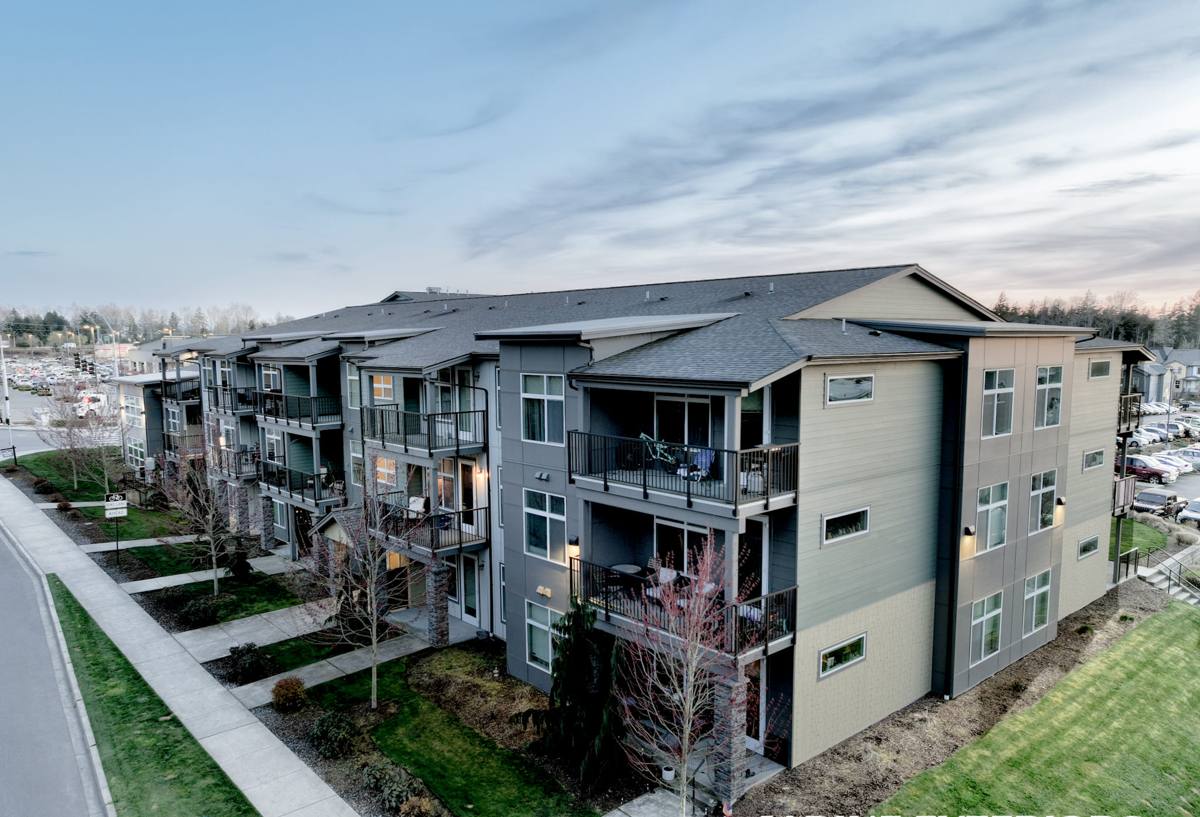
Signs an Eastsound Home Needs Siding Repair, Not Just Paint
Homeowners often call us after noticing a paint or cosmetic problem, but siding damage on the island is frequently structural underneath a cosmetic symptom. Before assuming a section just needs a fresh coat, it's worth checking for these signs:
- Soft or spongy spots when you press on siding near the bottom of walls or below windows
- Paint that's bubbling, peeling, or failing in the same spot repeatedly, even after repainting
- Persistent moss or dark streaking that keeps returning within a season of cleaning
- Visible gaps, warping, or buckling at seams and butt joints
- Cracked or crumbling caulk around trim, windows, and corner boards
- A musty smell or soft drywall on the interior side of an exterior wall
- Rust streaks below fasteners, which often signal moisture reaching the nail line
Any one of these on its own might be minor. Several together, especially on walls that face prevailing weather, usually mean water has been getting behind the siding for a while.
What a Correct Siding Repair Actually Involves
Finding the real extent of the damage
The biggest mistake in siding repair is treating the visible damage as the whole problem. A stained or soft board is often just the spot where water finally showed itself — the actual entry point can be a failed seal several feet away, or a flashing detail that was never installed correctly. A proper repair starts by pulling back enough siding to see the sheathing, house wrap, and framing underneath, not just swapping the damaged piece for a new one.
Matching materials and fasteners correctly
Mixing incompatible materials or using the wrong fastener type is a common source of repeat failures. Fastener corrosion is accelerated by salt air, so hardware needs to be rated for it. Replacement siding also needs to match the existing profile, reveal, and thickness closely enough that water sheds the way the wall was designed to shed it — a mismatched patch can create a new place for water to catch.
Rebuilding the water management, not just the surface
Siding is one layer of a system that includes house wrap, flashing, and proper gaps for drainage and drying. A repair that only replaces boards without restoring flashing at windows, doors, and horizontal joints will often fail again in the same place within a year or two, especially on a wall that takes direct driving rain.
Repair or Replace? How We Help You Decide
Not every problem calls for full replacement, and not every problem is a good candidate for a spot repair. The right call depends on how much of the wall is affected, how old the existing siding is, and what's happening underneath. We walk through this honestly with every homeowner rather than defaulting to the bigger job.
| Factor | Leans toward repair | Leans toward replacement |
|---|---|---|
| Extent of damage | Isolated to one wall or a few boards | Recurring across multiple walls or elevations |
| Underlying sheathing | Dry and sound once opened up | Soft, rotted, or water-stained over a wide area |
| Age of existing siding | Still well within its expected service life | Nearing or past the end of its useful life |
| Cause of failure | A single identifiable flaw (flashing, caulk, one bad board) | A systemic issue like poor original installation or unsuitable material |
| Material match | Close match available for a seamless patch | Original product discontinued or mismatched to current siding |
When we open a wall for repair and find the framing and sheathing are sound, a targeted fix is often the right, cost-effective answer. When we find the moisture problem is widespread or the existing material has reached the point of diminishing returns, we'll tell you that too, along with why.
Why We Repair Toward James Hardie Fiber Cement
When a repair calls for replacing a section of siding, we use James Hardie fiber cement rather than trying to source a patch in whatever material is currently on the wall. This isn't a sales preference — it's a standard we've set because of what we've seen fail on homes in this climate. Fiber cement doesn't absorb water and swell the way wood-based products can, it won't rot, and it holds up to sustained salt exposure far better than materials that rely on a surface coating alone for protection. Hardie's ColorPlus factory finish is baked on and warranted separately from the substrate, which matters on an island where recoating a whole elevation isn't a quick weekend project.
We don't install LP SmartSide, vinyl, Cemplank, Allura, or primed wood siding, and that applies to repair work as well as full installs. If your existing siding is one of those materials and a section needs replacing, we'll be upfront that a perfect material match may not be realistic, and we'll talk through whether a broader transition to Hardie on that elevation makes more sense long-term than chasing a patch in a product we don't stand behind.
Our Process for Eastsound Repair Jobs
- On-site inspection where we open up affected areas rather than estimating from the outside
- A clear explanation of what we found, what caused it, and what your realistic options are
- A written estimate that separates the repair scope from anything discovered once we're inside the wall
- Correcting the underlying issue — flashing, house wrap, sealant, or framing — before any new siding goes on
- Installing matched Hardie fiber cement, fastened and finished to the manufacturer's specifications
- A final walk-through so you know exactly what was done and what to watch for going forward
We schedule around the weather here as much as around our own calendar. Fiber cement and sealants need the right conditions to install and cure properly, and rushing a repair into a wet stretch just sets it up to fail again.
Why It Matters That We Already Work This Island
Getting materials, crews, and equipment to Orcas Island isn't the same as working in a mainland neighborhood. Ferry schedules affect how a job gets planned, and a contractor who doesn't already build that into their routine will either pad your price to cover the uncertainty or show up unprepared. Because we already work in Eastsound and across the island regularly, we order materials with realistic lead times, batch trips efficiently, and aren't learning the local logistics on your project.
There's also a practical, honest reason local experience matters for repair work specifically: we've already seen how homes in this part of San Juan County typically fail, which walls take the worst of the weather, and where builders here have historically cut corners on flashing and water management. That background shortens the diagnostic part of the job and reduces the chance of missing a related problem nearby.
Keeping Repaired Siding Protected Through Moss Season
A correct repair should hold up on its own, but a little seasonal attention extends the life of any siding here. Keep gutters clear so overflow doesn't run down and pool against walls. Trim back vegetation and tree cover that keeps shaded walls damp longer than they need to be. Rinse visible moss and algae growth before it gets established rather than after, since removal gets harder — and more likely to damage the surface — the longer it sits. And keep an eye on caulking at trim and penetrations once a year, since it's usually the first thing to give out under repeated wet-dry cycling.
If you're seeing soft spots, recurring moss, failing paint, or gaps opening up in your siding, it's worth having it looked at before the next round of driving rain finds its way further in. We offer free, no-pressure estimates for Eastsound homeowners — we'll tell you honestly whether you're looking at a repair or something bigger, and what it would involve either way.