 Orcas Island Siding
 Windows Built for How Eastsound Actually Weathers
Eastsound sits close to the water, and that proximity shapes everything about how windows perform here. Salt-laden air moves through the area constantly, driving rain comes in sideways off the Sound during winter storms, and the long stretch of damp, low-sun months each year keeps moss and mildew active on anything that holds moisture. A window that would last two decades in a dry inland climate can show real wear in half that time on Orcas Island if it wasn't specified or installed with this environment in mind.
This page covers what we've learned installing and replacing custom windows for homes in and around Eastsound: what the climate does to windows over time, what a correct installation actually involves, and why local experience matters as much as the product itself.
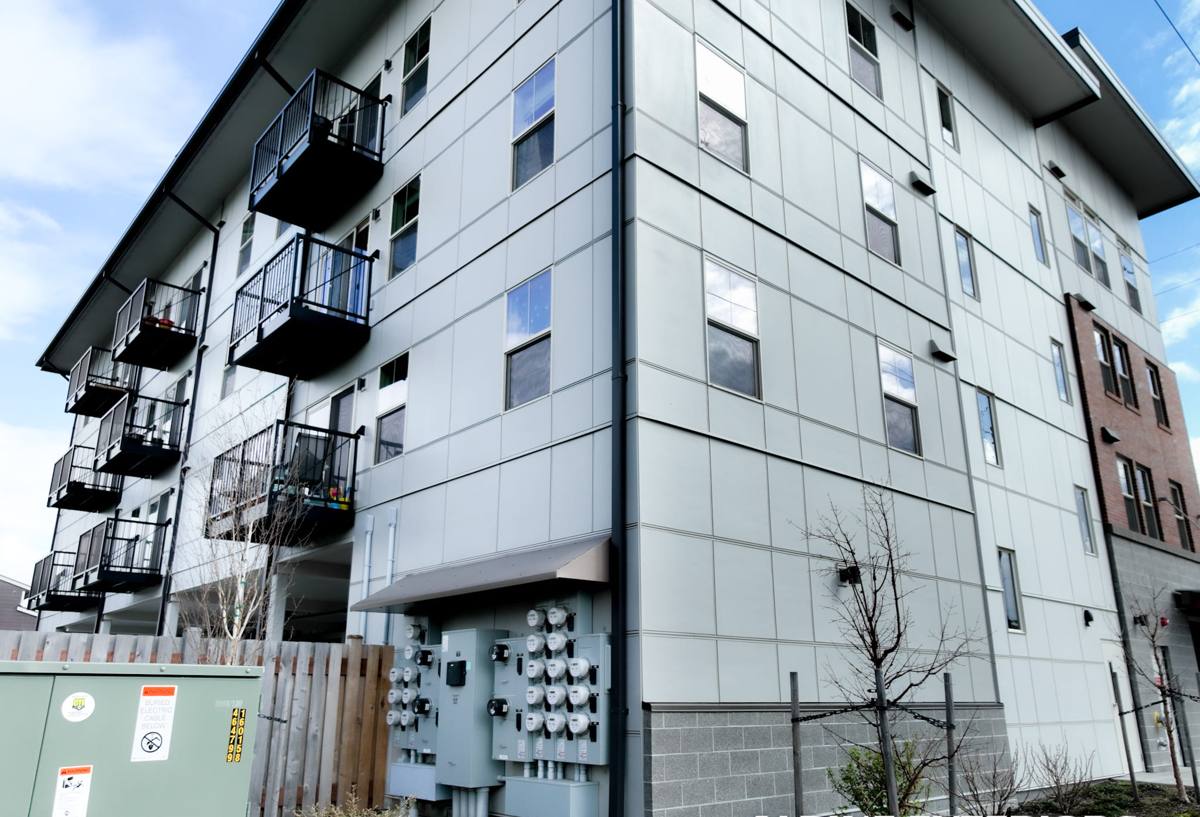
What Salt Air, Rain, and Moss Season Do to Windows
Salt Air and Metal Components
Airborne salt is corrosive to unprotected or poorly coated metal. Over years, it attacks hardware — hinges, cranks, locks, and screws — before it ever touches the visible frame. On aluminum-framed windows without a marine-grade finish, salt exposure can also lead to pitting and oxidation on the frame itself. This is one reason frame material and hardware finish matter more here than they would forty miles inland.
Driving Rain and Water Intrusion
Wind-driven rain doesn't just fall on a window — it gets pushed into any gap in the flashing, sealant, or rough opening. San Juan County's exposed shoreline areas see this regularly during fall and winter storms. A window can look fine from the outside for years while water is slowly working its way into the wall cavity around it, because the failure point is almost always the installation detail, not the window unit itself.
The Long Moss and Damp Season
Moss and algae need sustained moisture and shade to establish, and Orcas Island's extended damp season gives them plenty of time. Around windows specifically, this shows up as green or black growth on sills, trim, and the lower edges of frames — a sign that water is sitting there longer than it should. Left alone, that trapped moisture accelerates wood rot in trim and sheathing.
Signs an Eastsound Home's Windows Need Attention
Most window problems in this climate develop slowly. Homeowners often notice one or two symptoms without realizing they're connected. Some common signs it's time to have windows evaluated:
- Fogging or a visible film between panes of double-glazed glass (a sign the seal has failed)
- Soft, discolored, or crumbling wood at the sill or lower frame
- Persistent drafts near the window even when it's fully latched
- Hardware that's stiff, corroded, or won't fully lock anymore
- Condensation forming on the interior glass or frame regularly through fall and winter
- Moss, algae, or dark staining building up on the sill or exterior trim
- Visible daylight or gaps around the frame from outside
Any one of these on its own might just need minor maintenance. Two or more together, especially on the same window, usually means the seal, flashing, or frame has started to fail.
What a Correct Custom Window Installation Involves
It Starts Before the Window Arrives
A proper job begins with an honest look at the rough opening — checking the sheathing, sill, and existing flashing for hidden rot or past water damage before ordering anything. Custom sizing only works well if the opening it's going into is sound. Installing a new window into a compromised opening just hides a problem that will resurface.
Flashing and Sealing Are Where Jobs Succeed or Fail
The window unit itself rarely fails first — the flashing, house wrap integration, and sealant details around it do. A correct install layers flashing tape and building paper so water is always directed outward and down, never trapped behind the trim. In a driving-rain climate like this one, that shingle-style layering isn't optional detail work — it's the difference between a window that stays dry and one that quietly rots the wall behind it.
Insulation and Air Sealing
The gap between the window frame and the rough opening needs to be filled with an appropriate low-expansion foam or backer rod and sealant — not stuffed with fiberglass insulation alone, which does little to stop air and moisture movement. Done right, this step also cuts down on the drafts and condensation that show up around poorly sealed windows during Orcas Island's colder, wetter months.
Finish Work That Matches the Climate
Exterior trim and caulking need to be rated for sustained moisture exposure, not just general-purpose products. We finish with sealants and, where wood trim is used, coatings suited to a marine environment, so the finish work doesn't become the next point of failure.
Choosing Window Materials for a Marine Climate
There's no single "best" window material for every home — it depends on exposure, budget, and the look a homeowner wants. Here's how the common options actually hold up around Eastsound's salt air and moisture:
| Frame Material | Behavior in Salt Air & Moisture | Maintenance Needs | Typical Fit |
|---|---|---|---|
| Vinyl | Doesn't corrode; performs consistently in coastal air | Low — occasional cleaning | Strong all-around choice for exposed or budget-conscious projects |
| Fiberglass | Very stable in temperature and moisture swings; resists corrosion | Low | Good for higher-exposure sites or larger custom sizes |
| Wood-clad (exterior clad, wood interior) | Clad exterior protects the wood, but any breach in the cladding lets moisture reach wood underneath | Moderate — clad seams and any exposed wood need monitoring | Best where interior wood appearance matters and upkeep is expected |
| Aluminum (non-marine-grade) | Prone to pitting and oxidation without a proper marine finish | Higher near the water | We're selective about where we use this near the shoreline |
Glass package matters as much as frame material. For Eastsound homes we typically recommend dual-pane glass with a low-E coating and an argon or similbest gas fill — this combination cuts down on interior condensation and improves comfort during the cold, damp months, without adding meaningful cost to the overall project.
Our Process, Start to Finish
- On-site assessment: We look at each opening, not just the window count — checking existing flashing, sill condition, and any signs of past water intrusion.
- Honest recommendation: We walk through frame and glass options suited to that specific exposure, with real trade-offs, not upselling.
- Custom measurement and ordering: Openings on older or custom-built homes are rarely perfectly standard sizes, so we measure and order accordingly.
- Removal and opening prep: Any rot or damage found during removal gets addressed before the new window goes in — not covered over.
- Installation with proper flashing and sealing: Following the layered, water-managed approach outlined above.
- Interior and exterior finish work: Trim, caulking, and paint or stain matched to the rest of the home.
- Final walkthrough: We check operation, seals, and finish work with the homeowner before calling the job done.
Why a Crew That Already Works Eastsound Matters
Window work on Orcas Island isn't quite like window work on the mainland. Materials and crews often come over by ferry, which means scheduling has to account for sailing times and weather windows rather than just calendar days. A crew that already works Eastsound regularly has that logistics figured out, keeps the right materials on hand, and isn't learning San Juan County's permitting and inspection process on your project.
Just as important is the climate knowledge itself. A contractor who mostly works drier, inland conditions may not think twice about flashing details or hardware finish that make a real difference here. A crew with ongoing Eastsound experience has already seen how salt air, driving rain, and the long moss season affect windows over time, and builds that into how the job gets done — not as an afterthought, but as the baseline.
What Drives the Cost of a Custom Window Project
Every home and opening is different, so we don't quote sight-unseen. But these are the main factors that move the price on custom window projects in this area:
| Factor | Why It Affects Cost |
|---|---|
| Number and size of windows | More or larger openings mean more material and labor |
| Frame material chosen | Vinyl, fiberglass, and wood-clad carry different material costs |
| Glass package | Low-E coatings and gas fills add a modest cost but improve performance |
| Condition of the existing opening | Rot or water damage found during removal requires repair before the new window goes in |
| Access and removal complexity | Upper-story, tight, or oddly shaped openings take more labor time |
| Trim and exterior finish work | Matching existing trim profiles or upgrading materials affects the finish budget |
We break these out clearly in every estimate so homeowners can see exactly what they're paying for and where, if needed, there's room to adjust scope.
Get an Honest Look at Your Windows
If your Eastsound home has windows showing any of the wear signs above, or you're planning a custom window project and want it done with this climate in mind from the start, we're happy to take a look. The estimate is free, there's no pressure, and you'll get a straight answer about what your windows actually need — just fill out the form below to get started.