 Orcas Island Siding
 Siding Built for Doe Bay's Particular Weather
Doe Bay sits on the exposed east side of Orcas Island, where San Juan County's marine climate shows up in a very specific combination: salt-laden air off the water, long stretches of driving rain carried in on southeasterly wind, and shaded, tree-covered lots that stay damp well after a storm has passed. That mix is harder on a home's exterior than people expect. Siding here doesn't just need to look good — it needs to shed water fast, resist the slow chemical wear of salt air, and stand up to moss and mildew that thrive in the shoulder seasons when the sun barely reaches some north-facing walls.
We install James Hardie fiber cement siding exclusively, and Doe Bay is a good example of why. This is a climate that punishes the wrong material choice slowly, over years, in ways that are expensive to catch late. A siding job done right here has to account for the site conditions, not just the product spec sheet.
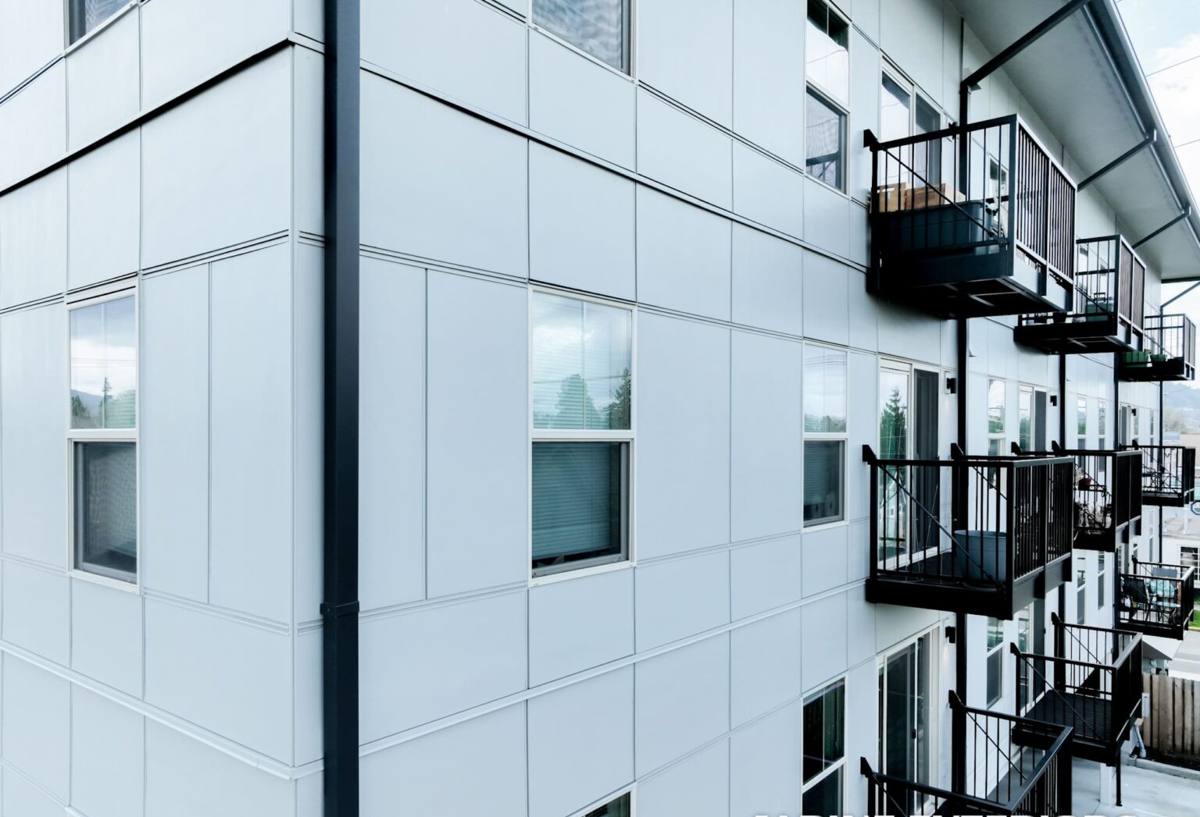
What Salt Air, Rain, and Moss Actually Do to a House
Salt Air
Airborne salt from Puget Sound and the surrounding straits settles on exterior surfaces year-round, and it's more corrosive to certain building materials and fasteners than most homeowners realize. It accelerates the breakdown of untreated wood fibers, degrades cheaper paint finishes faster than inland homes ever experience, and can corrode fasteners and trim components that aren't rated for coastal exposure.
Driving Rain
Orcas Island gets wind-driven rain that hits siding at an angle instead of falling straight down, which means water gets forced into laps, seams, and butt joints that a calmer climate would never test. Any gap in flashing, caulking, or panel overlap becomes a point where water works its way behind the siding rather than off of it.
Moss and Mildew Season
Shaded, tree-lined lots — common around Doe Bay — stay damp for extended stretches, especially fall through spring. Moss and mildew take hold on any surface that holds moisture or organic debris, and on wood-based sidings that moisture retention can eventually lead to rot underneath. Fiber cement doesn't feed mold and mildew growth the way wood-based products can, and moss on the surface is a cosmetic wash-off issue rather than a structural one.
Why James Hardie Fiber Cement Fits This Site Condition
James Hardie fiber cement is a cement, sand, and cellulose fiber composite — it's non-combustible and dimensionally stable in a way that wood-based and vinyl products aren't. For a climate like Doe Bay's, three things matter most:
- Moisture resistance — fiber cement doesn't absorb and swell with water the way wood products do, which matters when rain is hitting the wall sideways for days at a time.
- Factory-applied ColorPlus finish — baked-on finish resists fading and holds up to salt air and UV exposure far longer than field-applied paint, which is the finish most exposed to weathering in a marine environment.
- Climate-engineered HZ5 formulation — Hardie's HZ5 product line is engineered for the Pacific Northwest's freeze-thaw and moisture cycling, which is the right specification for San Juan County rather than a generic all-climate board.
We don't install LP SmartSide, vinyl, Cemplank, Allura, primed spruce, or cedar. Each of those has legitimate uses elsewhere, but for a wind-and-salt-exposed island site, we've standardized on Hardie because the finish, the moisture behavior, and the warranty structure are the best match for what this climate does to a house over twenty or thirty years.
What a Correct Installation Involves Here
Fiber cement siding is only as good as the installation behind it. In a high-rain, salt-exposed setting like Doe Bay, a handful of details separate a job that lasts decades from one that fails early:
- Rain screen or drainage gap — a ventilated gap behind the siding lets any moisture that does get past the cladding drain and dry out instead of sitting against the sheathing.
- Correct flashing at every penetration — windows, doors, and any wall penetration need step and head flashing that directs water out, not sideways into the wall assembly.
- Proper fastener selection — corrosion-resistant fasteners rated for coastal exposure, installed per Hardie's fastening pattern, not generic trim nails.
- Manufacturer-specified caulking and gapping — Hardie's install guidelines call for specific joint treatment; skipping or shortcutting this is one of the most common causes of early failure on fiber cement jobs generally.
- Clearance from grade, roofline, and decks — siding installed too close to soil, roofing, or deck surfaces traps moisture against the bottom edge, which is a common problem on sloped, wooded island lots.
None of this is unique to Doe Bay — it's the Hardie install spec everywhere. What's unique to this site is how quickly the consequences show up if any of it is skipped, because the rain and salt exposure here don't give a marginal install much room for error.
Why a Crew That Already Works Doe Bay Matters
Orcas Island isn't like working a mainland neighborhood. Materials, equipment, and crew all have to move by ferry, which means scheduling has to account for sailing times and weather windows rather than just calendar days. A crew that regularly works the island already has that logistics figured out — material orders timed to arrive with enough buffer, crews staged so a job isn't stalled waiting on a missed boat, and a working knowledge of San Juan County permitting requirements before the first board goes up.
There's also a site-knowledge advantage. A crew that has worked Doe Bay and the surrounding shoreline knows which walls take the worst of the driving rain, which lots hold moisture longest under tree cover, and how to sequence a job around the wetter months instead of fighting them. That's the kind of judgment that doesn't show up on a spec sheet but shows up in how the siding performs ten years in.
Cost Factors for a Doe Bay Siding Project
Every home is different, but the factors that move the price on a fiber cement job in this area are consistent. We give firm numbers only after walking the site — the table below is meant to explain what drives the estimate, not to quote a price.
| Factor | Why It Matters Here |
|---|---|
| Home size and wall complexity | More corners, dormers, and trim details mean more cuts, more flashing, and more labor time. |
| Existing siding removal | Tear-off versus overlay changes both labor and disposal, and disposal on the island has its own logistics. |
| Site access and staging | Ferry scheduling, driveway access, and how close a truck can get all affect crew efficiency. |
| Substrate condition | Wood-framed walls with rot or moisture damage from a prior siding failure need repair before new siding goes on. |
| Trim and accent selection | Hardie Trim boards, shakes, or panel accents add material and detail labor beyond lap siding alone. |
| Color and finish | Factory ColorPlus finishes versus field-painted finishes carry different material costs and different long-term maintenance. |
Maintaining Fiber Cement Siding in a Moss-Prone Climate
Fiber cement is low-maintenance compared to wood, but "low-maintenance" doesn't mean "no maintenance" — especially on a shaded lot near the water. A simple annual routine keeps it performing the way it's designed to:
- Rinse the siding down once or twice a year, more often on north-facing or heavily shaded walls where moss and algae take hold fastest.
- Avoid pressure washing directly into joints and seams — a garden hose and soft brush is enough and won't force water behind the panels.
- Keep gutters clear so overflow isn't running down the face of the siding and feeding moisture into joints.
- Trim back vegetation and tree limbs that keep a wall shaded and damp longer than necessary.
- Inspect caulked joints every year or two and have any cracked or shrunken caulk redone before it lets water in.
- Watch for chalking, fading, or peeling paint on any field-painted trim — it's a sign the finish is due for attention before moisture becomes an issue underneath.
What This Means for Your Home
A fiber cement siding job on a Doe Bay home isn't just a material swap — it's a system that has to be specified and installed with the site's actual exposure in mind. The right product line, the right install details, and a crew that understands the island's logistics and weather patterns are what turn a siding job into something that still looks and performs right fifteen or twenty years from now, instead of something that needs attention again in five.
If you're planning a siding project on Orcas Island, we're happy to walk your property, look at your specific exposure, and put together a straightforward estimate — no pressure, no upsell. Use the form below to get in touch.