 Orcas Island Siding
 Deer Harbor Sits in a Tough Spot for Siding
Deer Harbor is a small, low-key waterfront community on the west side of Orcas Island, and homes here take on a specific combination of stresses that inland San Juan County properties don't deal with in the same way. Salt-laden air moves off the water and settles on exterior walls day after day. Winter storms bring driving, wind-pushed rain that finds every gap in a siding system instead of just running down the face of the wall. And the tree cover that makes this part of the island so pretty also means shade, moisture, and a moss season that runs a lot longer than most homeowners expect.
None of that means siding here is doomed — it means siding here has to be installed and repaired with those conditions specifically in mind. A repair that would hold up fine on a dry, sun-exposed lot in eastern Washington can fail within a couple of seasons on a shaded, water-facing wall in Deer Harbor. That's the gap we're trying to close on this page.
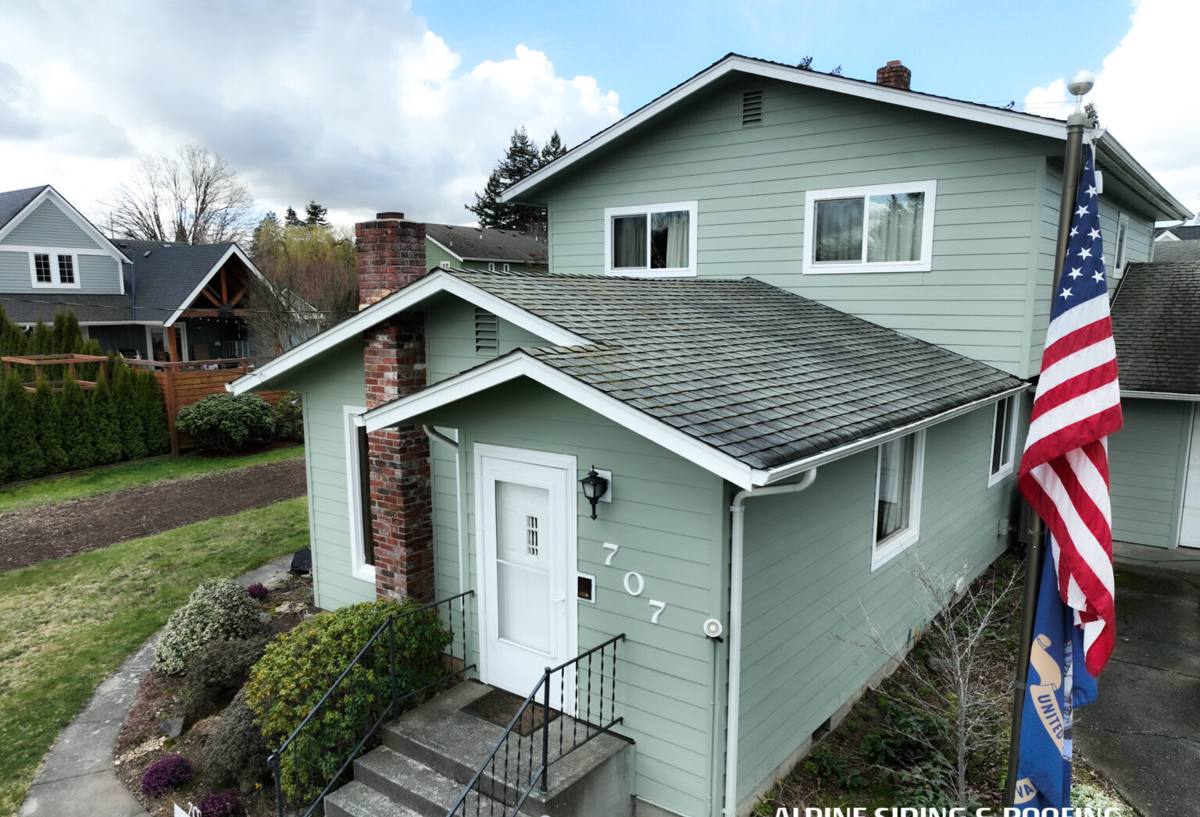
What Salt Air, Rain, and Moss Actually Do to Siding
Salt Air
Airborne salt is corrosive to exposed metal fasteners, flashing, and trim, and it accelerates the breakdown of finishes that aren't rated for a marine-influenced environment. Over years, homes closer to the water tend to show fastener staining, chalking paint, and finish fade faster than homes set back from the shoreline, even within the same neighborhood.
Driving Rain
Orcas Island doesn't get the heaviest rainfall totals in Western Washington, but winter storms bring rain sideways off the water, which is a different problem than straight-down rain. Wind-driven rain gets pushed up and under laps, into butt joints, and around trim that would stay dry in a calmer climate. Once water gets behind siding, the damage usually starts on the sheathing and framing — not on the siding face, where a homeowner would notice it first.
Moss and Algae
Shaded, damp walls near tree lines hold moisture longer, and that's exactly what moss and algae need to establish. Beyond looking bad, a moss mat on siding holds water against the surface far longer than open air would, which keeps the material wet and slows drying between rain events. On some siding materials that constant damp exposure is a serious long-term problem; on others it's mostly cosmetic. Knowing which is which matters when you're deciding whether to repair or replace a section.
Common Repair Issues We See on Orcas Island Homes
- Soft or delaminating panels near ground level, deck ledgers, and downspout discharge points, where water sits longest
- Rot at butt joints and corners where caulking has failed and water has been tracking behind the siding for a while
- Rusting or backed-out fasteners on older installations, especially anything installed with the wrong nail type for the material
- Damaged or missing flashing above windows, doors, and trim, which is one of the most common root causes of "siding" damage that's actually a flashing problem
- Moss and algae buildup on north- and west-facing walls that stay shaded most of the day
- Impact damage from storm debris, tree limbs, or equipment, common on properties with mature trees close to the house
Repair or Replace? How We Make That Call
Not every siding problem needs a full re-side, and we're not going to tell you it does. But we also won't patch a section if the underlying moisture damage is going to reappear a season later. The honest answer usually comes down to how much of the wall is affected, what's happening behind the siding, and what the existing material is.
| Factor | Usually Points to Repair | Usually Points to Replacement |
|---|---|---|
| Extent of damage | Isolated to one or two sections or panels | Spread across multiple walls or elevations |
| Sheathing condition | Dry and solid once siding is pulled back | Soft, delaminated, or visibly rotted |
| Existing material | James Hardie fiber cement in otherwise good shape | Vinyl, LP SmartSide, or wood past its practical service life |
| Cause of damage | A single identifiable event (impact, one failed joint) | Systemic moisture intrusion or age-related failure |
| Age of siding | Well within expected service life | Nearing or past it, with more failures likely soon |
We'll walk the whole exterior with you, explain what we find, and give you a straight recommendation — not just the answer that leads to the bigger job.
What a Correct Siding Repair Actually Involves
Look Behind the Siding, Not Just at It
The visible damage is rarely the whole story. Before we touch a repair, we pull back enough siding to check the sheathing, house wrap or building paper, and framing underneath. If those are compromised, patching the surface without addressing what's underneath just hides the problem for a while.
Fix the Water Path, Not Just the Symptom
Most siding failures on Orcas Island trace back to water management — a piece of flashing that was skipped, a joint that was never sealed correctly, or a kick-out flashing that was left off at a roof-to-wall intersection. A repair that doesn't correct the water path will fail again in the same spot.
Match Materials and Fasteners Correctly
Repairs need to use fasteners and materials rated for the exposure they're going into — corrosion-resistant fasteners near the water, proper clearances, and correct nailing patterns matter more here than in a drier, inland climate. When we're patching James Hardie siding, we use Hardie-approved materials and follow their fastening and clearance specifications so the repair performs the way the rest of the wall does.
Finish It So It Actually Blends
A patch that's structurally sound but obviously mismatched isn't a finished job. On James Hardie's factory-finished ColorPlus siding, we work to match color and reveal so a repaired section reads as part of the wall, not a visible add-on.
Why We Only Install James Hardie Fiber Cement
Our company made a decision to install one siding system — James Hardie fiber cement — and we stand behind repairs the same way. It's non-combustible, it's engineered in HZ product lines for different climate zones, and it comes with a strong transferable warranty when installed to spec. In a marine climate like Deer Harbor's, that matters more than in most places: fiber cement doesn't rot, doesn't attract pests, and holds up to salt air and moisture exposure far better than wood or many engineered wood products over the long run.
That's why, when a repair on non-Hardie siding turns into something bigger than a patch — widespread rot, a material at the end of its service life, or damage that keeps recurring — our recommendation is to move to James Hardie rather than keep chasing repairs on a product that's fighting the local climate. We'll always tell you honestly when a smaller repair is the right call, too. We're not trying to upsell every job into a full re-side.
Our Process for Deer Harbor Homeowners
- Site visit and inspection. We walk the exterior, identify every area of concern, and check behind the siding where damage is visible.
- Honest assessment. We explain what caused the damage, whether it's isolated or systemic, and what repair or replacement realistically involves.
- Written scope and estimate. You get a clear plan before any work starts — what's being repaired, with what materials, and why.
- Repair work. Water management is corrected first, then siding, trim, and flashing are repaired or replaced to match.
- Cleanup and walkthrough. We review the finished work with you before we call the job done.
Scheduling and Logistics for Island Work
Working on Orcas Island means planning around ferry schedules and weather windows, and we build that into how we quote and schedule Deer Harbor jobs. Materials get ordered and staged ahead of time so a repair crew isn't making multiple ferry trips mid-job, and we're realistic with homeowners about timing during the wetter months, when drying time and workable weather windows matter more than they would on the mainland. San Juan County's marine climate rewards patience on timing — rushing a repair into a wet stretch just sets it up to fail again.
Signs Your Siding Needs Attention Now
- Soft spots when you press on the siding, especially near the ground or under windows
- Paint or finish bubbling, peeling, or chalking earlier than expected
- Visible gaps at joints, corners, or trim where caulking has failed
- Persistent moss or algae growth that keeps returning after cleaning
- Staining or streaking below fasteners or trim edges
- Musty smell or visible staining on interior walls near exterior siding
If any of these sound familiar, it's worth having someone look before the next storm season rather than after. We're happy to come take a look, explain what we find, and give you a straightforward, no-pressure estimate for the repair — no obligation, just an honest read on what your Deer Harbor home actually needs.