 Orcas Island Siding
 Why Deer Harbor Roofs Age Differently Than Roofs on the Mainland
A roof in Deer Harbor doesn't fail the way a roof does in a typical inland subdivision. Between the salt-laden air coming off the water, long stretches of driving rain in the fall and winter, and a moss season that can run most of the year under tree cover, the materials and details that hold up on a dry, sunny roof somewhere else often come up short here. San Juan County's marine climate is mild compared to a lot of the country, but "mild" doesn't mean gentle on a roof. It means slow, steady, year-round moisture exposure that finds every weak seam, every under-spec fastener, and every spot where ventilation was an afterthought.
We've replaced roofs across Orcas Island long enough to know that a roof built for Deer Harbor needs to be built differently from day one — not patched with mainland assumptions and hoped into working. That starts with an honest look at what's actually failing on your roof, not a generic sales pitch.
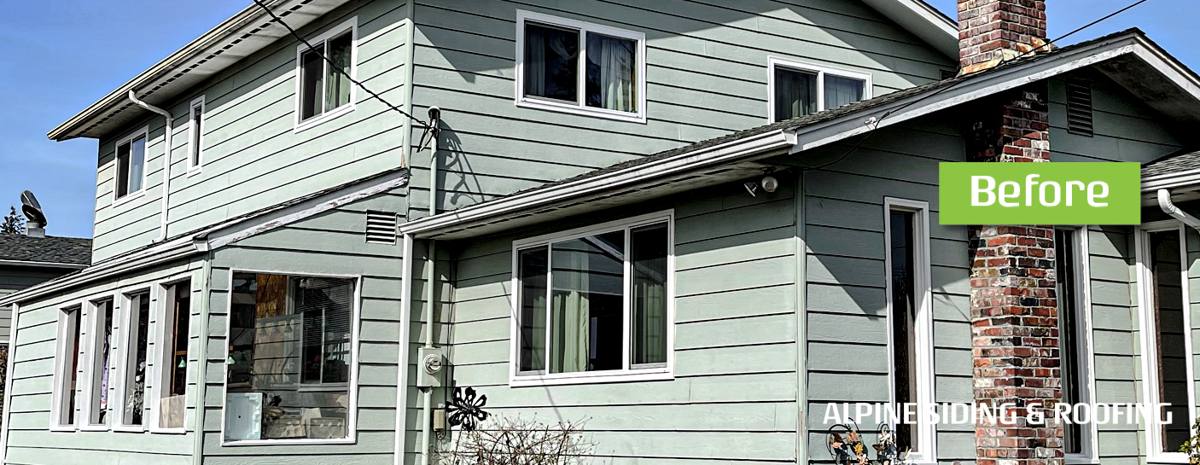
Signs a Deer Harbor Roof Has Reached Replacement Time
Most roofs don't fail all at once. They send signals for months or years before a leak actually shows up inside the house. On the water side of Orcas Island, those signals often show up faster than they would elsewhere, because salt air accelerates corrosion on fasteners and flashing, and moss holds moisture against the shingle surface far longer than open, sunny roofs ever experience.
- Moss or algae growth that keeps coming back within a season or two of cleaning
- Granule loss showing up in gutters or at the base of downspouts
- Shingles that are cupping, curling at the edges, or lifting in the wind
- Rusting nail heads, streaking, or corroded flashing around chimneys and vents
- Soft spots or slight sagging when walked on the decking below
- Daylight visible through the roof deck from inside the attic
- A roof that's 20+ years old and has never had the underlayment or flashing updated
- Interior water stains that appear only during heavy, wind-driven rain events
Any one of these on its own might just mean a repair. Several at once, especially on an older roof, usually means the underlying materials are past the point where patching makes financial sense.
Why Moss Is More Than a Cosmetic Problem Here
On a lot of Orcas Island properties, especially wooded or shaded ones common around Deer Harbor, moss isn't just an appearance issue. It roots into shingle granules, lifts tabs, and holds a layer of damp organic material against the roof surface through the wettest months of the year. Over time that shortens shingle life significantly and can work moisture down into the deck itself. Regular moss removal helps, but on a roof that's already aging, it's often a sign the shingles have lost enough granule protection that moss has something to grab onto in the first place.
Material Options for a Marine, High-Moisture Climate
There isn't one "right" roofing material for every Deer Harbor home — it depends on the house, the budget, and how much long-term maintenance an owner wants to take on, especially for properties that aren't occupied year-round. Here's how the common options actually perform in this climate, based on install experience rather than a manufacturer's brochure.
| Material | Moisture & Salt Air Performance | Maintenance | Typical Lifespan |
|---|---|---|---|
| Architectural asphalt shingles | Good, with proper underlayment and algae-resistant granules | Low — occasional moss treatment | 25–30 years |
| Standing seam metal | Excellent when fasteners and flashing are corrosion-rated | Very low | 40–50+ years |
| Cedar shake | Traditional look, but needs consistent upkeep to resist rot and moss in a wet, shaded climate | High — regular treatment and inspection | 20–30 years with upkeep |
| Synthetic/composite shingles | Good moisture resistance, consistent performance | Low | 30–40 years |
Cedar shake has a place on some Orcas Island homes, particularly where it matches the existing character of the property, but we're straightforward with owners about the trade-off: it asks for more attention over its life than asphalt or metal, and in a climate with this much sustained moisture and moss pressure, skipping that upkeep shortens its lifespan noticeably. If a homeowner wants the look with less maintenance burden, we'll talk through composite alternatives rather than just installing what's easiest for us.
Metal roofing has become a strong option for waterfront and higher-wind-exposure lots specifically because it doesn't give moss anything to root into and handles wind-driven rain better than a shingle field with more seams and edges.
What a Correct Roof Replacement Actually Involves
A roof replacement is more than stripping old shingles and nailing down new ones. On a property exposed to salt air and heavy seasonal rain, the details underneath the shingles matter as much as the shingles themselves.
Full Tear-Off and Deck Inspection
We don't install over existing layers. A full tear-off is the only way to actually see the deck — and on older homes near the water, that's often where problems are hiding. Soft, delaminated, or rot-damaged sheathing gets replaced before anything new goes down, because no shingle or underlayment can compensate for a compromised deck underneath it.
Underlayment and Flashing Built for Driving Rain
Wind-driven rain doesn't behave like a straight-down shower — it gets pushed sideways and upward under roof edges, valleys, and around penetrations. That's exactly where a lot of roof failures start. We use ice-and-water barrier at eaves, valleys, and roof-to-wall transitions, and we pay close attention to flashing details around chimneys, skylights, and vents, since these are the first places driving rain and salt corrosion find a way in.
Ventilation That Actually Fights Moss and Moisture
A roof that can't breathe traps moisture underneath the shingles, which speeds up moss growth and shingle deterioration from below as well as above. Balanced intake and exhaust ventilation keeps the deck drier and the attic space from becoming a slow-moving moisture problem — something that matters more here than in a drier climate.
Corrosion-Resistant Fasteners and Hardware
Standard fasteners can start showing rust streaks within a few years this close to salt water. We use corrosion-resistant nails and flashing components suited for a marine environment, because a roof is only as good as its weakest hardware, and staining or failure at the fastener level shows up long before the shingle field itself gives out.
Cost Factors on a Deer Harbor Roof Replacement
Every roof is priced on its own specifics, and we're not going to throw out a number that doesn't hold up once we're actually on the roof. But these are the factors that most commonly move the price up or down on properties in this area.
| Factor | Why It Matters |
|---|---|
| Roof size and pitch | Steeper roofs take longer and require more safety setup and material |
| Deck condition | Rot or soft sheathing found during tear-off adds repair scope |
| Material selection | Asphalt, metal, and cedar carry different material and labor costs |
| Number of existing layers | Multiple layers add tear-off time and disposal volume |
| Access and site conditions | Waterfront lots, steep driveways, or limited staging area affect logistics |
| Chimneys, skylights, valleys | More penetrations mean more flashing detail work |
We walk every roof and give a real number based on what we find, not a phone-quote estimate. On an island, surprises during tear-off cost more in time and delay than they do on the mainland, so we'd rather catch deck issues at the estimate stage whenever possible.
The Logistics of Roofing on Orcas Island
Working in Deer Harbor means working around the realities of island life, and that shapes how we schedule and run a job. Material deliveries, dumpster drop-off and pickup, and crew transport all have to work around ferry schedules — something a contractor based off-island has to learn on your job, usually at the cost of your timeline. We plan material orders and haul-off with enough lead time that ferry availability doesn't turn into a delay on your roof.
A lot of homes in this part of Orcas Island are seasonal or part-time residences, which means coordination often happens with a property manager or an owner who isn't on-site during the work. We're used to running a clear, well-communicated job for owners who can't just walk outside and check progress themselves — photos, direct updates, and a firm schedule matter more here, not less.
Weather windows also matter more on a job that depends on getting a roof dried in before the next rain system moves through. We track the forecast closely and stage the tear-off and dry-in sequence so your home isn't left exposed longer than necessary.
Our Process, Start to Finish
- On-site inspection and estimate — we walk the roof, check the deck where accessible, and discuss material options honestly based on your home and budget
- Scheduling around weather and logistics — material orders and delivery timed with ferry and weather windows in mind
- Full tear-off — old roofing removed down to the deck, with sheathing inspected and repaired as needed
- Underlayment, flashing, and ventilation installed — the details that actually determine how the roof performs in this climate
- New roofing material installed — to manufacturer specification, with corrosion-resistant fasteners throughout
- Site cleanup and haul-off — debris and old material removed and coordinated for ferry transport off-island
- Final walkthrough — so you know exactly what was done and what to expect going forward
Why Local Experience in Deer Harbor Actually Matters
Any licensed contractor can install a roof. Fewer have actually worked through the specific combination of challenges that come with this part of San Juan County: salt exposure, sustained moss pressure, wind-driven rain, and the logistics of getting materials, equipment, and crews to and from the job on island time. A crew that's done this work in Deer Harbor before knows which flashing details tend to fail first on waterfront-adjacent homes, which fastener choices hold up and which don't, and how to plan a job so a ferry schedule doesn't turn into a week of delay.
That experience shows up less in what a homeowner sees on the surface and more in whether the roof is still performing well ten and twenty years later, when the salt air and the moss and the rain have had time to find every shortcut that was taken.
If your roof is showing its age, or you just want an honest read on how much life it has left, we're happy to take a look. The estimate is free, there's no pressure attached to it, and you'll get a straight answer about what your roof actually needs — use the form below to get started.