 Orcas Island Siding
 Decks Around Cascade Lake Take a Different Kind of Beating
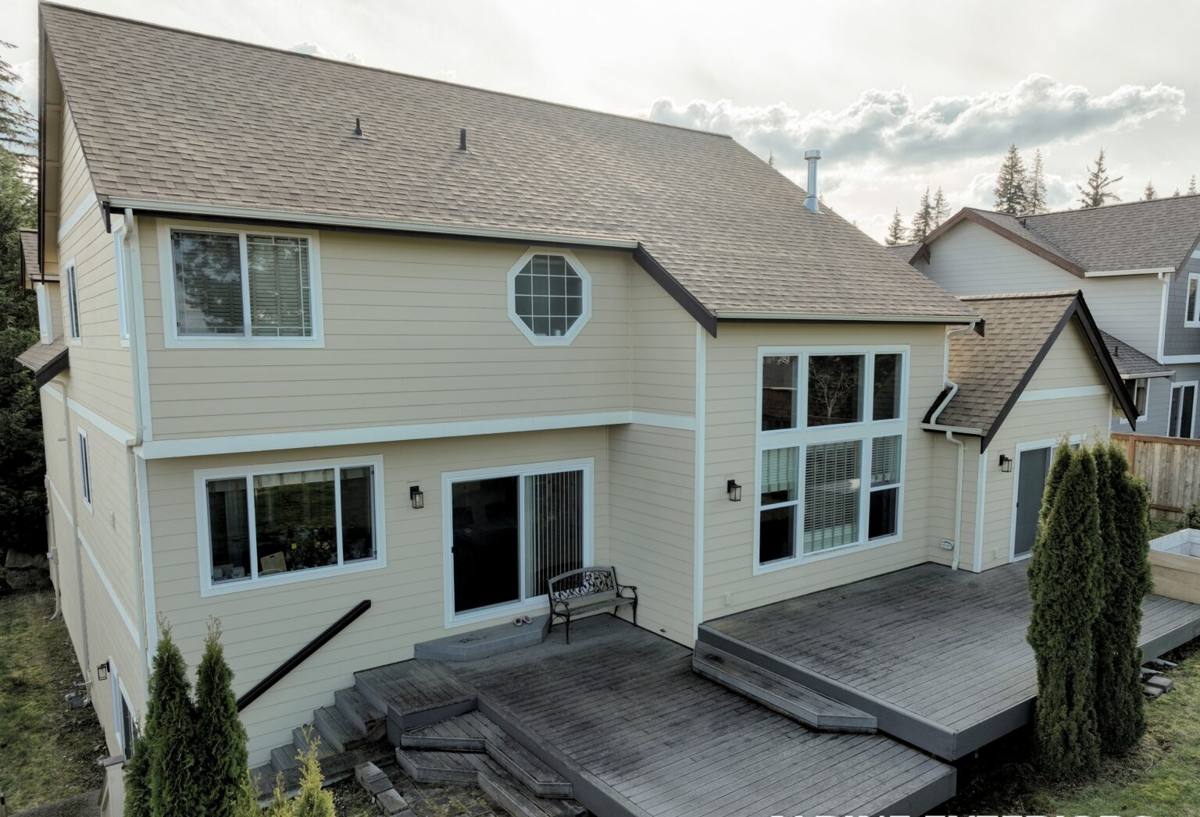
Cascade Lake sits in one of the shadier, more forested pockets of Orcas Island, and that changes how a deck ages compared to a deck out in the open on a south-facing bluff. Tree cover keeps the air damp longer after a storm, moss and algae get a head start on any surface that doesn't dry out quickly, and needle litter builds up in the gaps between boards where it holds moisture against the wood. Add in the San Juan County staple of salt-laden air drifting off the water and driving rain that comes in sideways during fall and winter systems, and you've got a combination that's hard on fasteners, framing, and decking alike.
None of that means a deck near Cascade Lake is doomed — it just means repairs have to account for the actual conditions instead of treating every deck the same way a contractor would in a dry inland climate. A patch job that ignores drainage, ventilation under the deck, or the corrosion risk on hardware tends to fail again within a season or two.
What We See Most Often on Cascade Lake Decks
The pattern is fairly consistent on shaded, lake-adjacent properties:
- Soft or spongy decking boards where moss and debris have trapped moisture
- Rust streaking or corroded fastener heads, especially on older galvanized nails and screws
- Ledger board and rim joist rot where the deck meets the house, often hidden under flashing that's failed silently
- Railing posts loosening at the base from repeated wet-dry cycling
- Green or black staining on stair treads and north-facing sections that rarely see direct sun
Signs Your Deck Needs Repair, Not a Full Rebuild
Most homeowners call us assuming the worst, but a good number of Cascade Lake decks are structurally sound underneath surface-level damage. The trick is knowing which symptoms point to a targeted repair and which point to something more serious.
Repair Territory
Isolated soft boards, surface graying or moss growth, a handful of corroded fasteners, a wobbly railing section, or minor gaps opening up between boards are all things we can fix without touching the rest of the structure. If the framing underneath probes solid with an awl or screwdriver and shows no punky, crumbling wood, repair is usually the right call.
When It's More Than a Patch
Widespread soft spots across multiple joists, a ledger board that's separating from the house, structural posts with rot at the base, or a deck that visibly sways under normal foot traffic are signs the problem has moved past the decking surface and into the frame. We'll always tell you honestly when a repair would just be delaying a rebuild — that's not a sale we're interested in making twice.
What a Correct Deck Repair Actually Involves
A repair that's done right starts below the decking, not on top of it. Replacing a few visibly bad boards without checking what's underneath is how a "fixed" deck ends up back on our schedule a year later.
Structural Inspection First
We check joists, beams, posts, and the ledger connection to the house before recommending anything. On lake-adjacent lots with heavier shade, we pay particular attention to areas that stay damp longest — usually the north side and anywhere debris collects against the framing.
Fastener and Hardware Assessment
Corroded fasteners are one of the most common failure points we find. Even when the wood itself is in decent shape, rusted screws and nails lose their grip and let boards shift, squeak, or work loose entirely. Given the salt air common across Orcas Island, we favor stainless steel or heavy-duty coated fasteners rated for coastal exposure rather than standard hardware that wasn't built for this environment.
Drainage and Airflow
A repair that doesn't address how water moves off and under the deck is a repair that will need to happen again. That means proper board spacing, clearing blocked drainage paths, and, where needed, improving ventilation underneath so the framing gets a chance to dry between rain events instead of staying wet for weeks at a time.
Railings and Stairs
Railings take abuse from both weather and use, and they're a safety item, not a cosmetic one. We re-secure loose posts to solid framing (not just to the decking), and replace any stair stringers or treads that have gone soft.
Repair vs. Replacement: How We Help You Decide
| Factor | Leans Toward Repair | Leans Toward Replacement |
|---|---|---|
| Framing condition | Solid, probes firm, no widespread rot | Multiple joists or the ledger board are compromised |
| Age of deck | Under 15-20 years, built with pressure-treated framing | Original construction is old or undocumented |
| Extent of damage | Isolated boards, fasteners, or railing sections | Damage is spread across most of the surface |
| Moisture exposure | Some shade, manageable drainage | Heavy year-round shade with chronic dampness and no airflow underneath |
| Budget goal | Extend usable life at lower cost | Want a long-term reset and possibly a design change |
Most homes near Cascade Lake fall somewhere in the middle, which is why we assess in person rather than quoting off a phone description. A deck that looks rough on the surface can have perfectly good bones underneath.
Materials We Use for Repairs Here
Decking Boards
For wood repairs, we match new boards to the existing decking as closely as possible in species and dimension, and we treat cut ends before installation since factory treatment doesn't reach a fresh cut. For sections that see constant shade and moisture, composite decking is worth discussing — it resists moss growth and won't rot, though it comes with a higher upfront cost and its own maintenance considerations around cleaning and expansion gaps. We'll walk through the real trade-offs rather than pushing one material as a cure-all.
Framing Lumber
Any framing repairs use pressure-treated lumber rated for ground contact or exterior structural use, matched to code requirements for the span and load involved. We don't reuse questionable framing just to save a step.
Fasteners and Connectors
As mentioned above, corrosion resistance matters more here than in a lot of inland climates. We use fasteners and structural connectors rated for exterior, coastal-adjacent exposure so the repair holds up rather than becoming the next weak point.
How Our Process Works
1. On-Site Assessment
We walk the entire deck, probe suspect areas, check the ledger connection, and look underneath where access allows. You get a straight answer about what's actually wrong, not a guess.
2. Written Scope and Estimate
Before any work starts, you get a clear breakdown of what's being repaired, what materials we're using, and why. No vague line items.
3. The Repair Itself
We work section by section so your deck stays as usable as possible during the job, and we clean up debris and old fasteners as we go rather than leaving it for the end.
4. Final Walkthrough
We check the repaired areas with you before calling the job done, including railing stability and how the surface drains.
Scheduling Around Island Logistics
Working on Orcas Island means factoring in ferry schedules and material delivery timing into every job. We plan around that up front so a repair doesn't stall out waiting on a board or a fastener that should have been on the truck the first trip.
Keeping a Repaired Deck in Good Shape
A solid repair buys you years, but the same conditions that caused the original damage don't go away. A little seasonal upkeep goes a long way, especially on shaded, lake-adjacent lots.
- Sweep debris and needle litter off the deck regularly, especially in fall
- Keep gutters and downspouts clear so runoff isn't dumping onto or under the deck
- Rinse off moss and algae before it gets a foothold rather than after
- Check railings and stair treads for movement once or twice a year
- Trim back vegetation that's shading the deck more than necessary, where practical
- Reseal or refinish wood decking on the manufacturer's recommended schedule, not just when it looks bad
Why It Matters to Hire a Crew That Already Works Cascade Lake
A contractor who mostly works drier, sunnier parts of the region can miss what's specific to a shaded, lake-adjacent property — how long moisture actually sits, which fastener grades hold up, where drainage tends to fail first. We work throughout Orcas Island and San Juan County, so we've seen how moss season, salt air, and driving rain play out differently from one property to the next, and we bring that into every repair instead of applying a one-size-fits-all approach.
It also means we're not learning island logistics on your job. Materials, scheduling, and access all get planned with the realities of working here already built in.
Get an Honest Look at Your Deck
If your deck near Cascade Lake has soft spots, rusting hardware, a wobbly railing, or just looks worse for wear after another wet season, we're happy to take a look and tell you plainly what it needs. The estimate is free, there's no pressure attached to it, and if a simple repair is all it takes, that's exactly what we'll recommend.