 Orcas Island Siding
 Windows Built for a Small Island in a Big Strait
Shaw Island sits in the heart of San Juan County, surrounded by the same salt water, wind, and weather that shapes every home in the archipelago. It's a small, quiet island — no strip malls, no traffic lights, just houses and cabins that have to hold up against marine weather with less foot traffic from contractors than you'd find on Orcas or San Juan Island itself. That's part of why window problems on Shaw often go unnoticed longer than they should: fewer eyes pass by, and homeowners are sometimes off-island for stretches at a time. When a window does start failing here, the fix needs to be done right the first time.
Custom windows on Shaw Island aren't a cosmetic upgrade. They're a functional barrier between a house and a climate that includes salt-laden air, wind-driven rain, and long stretches of damp, mossy shade. Get the product, the flashing, and the installation right, and a window will do its job quietly for decades. Get any one of those wrong, and you're looking at rot, fogged glass, or drafts within a few winters.
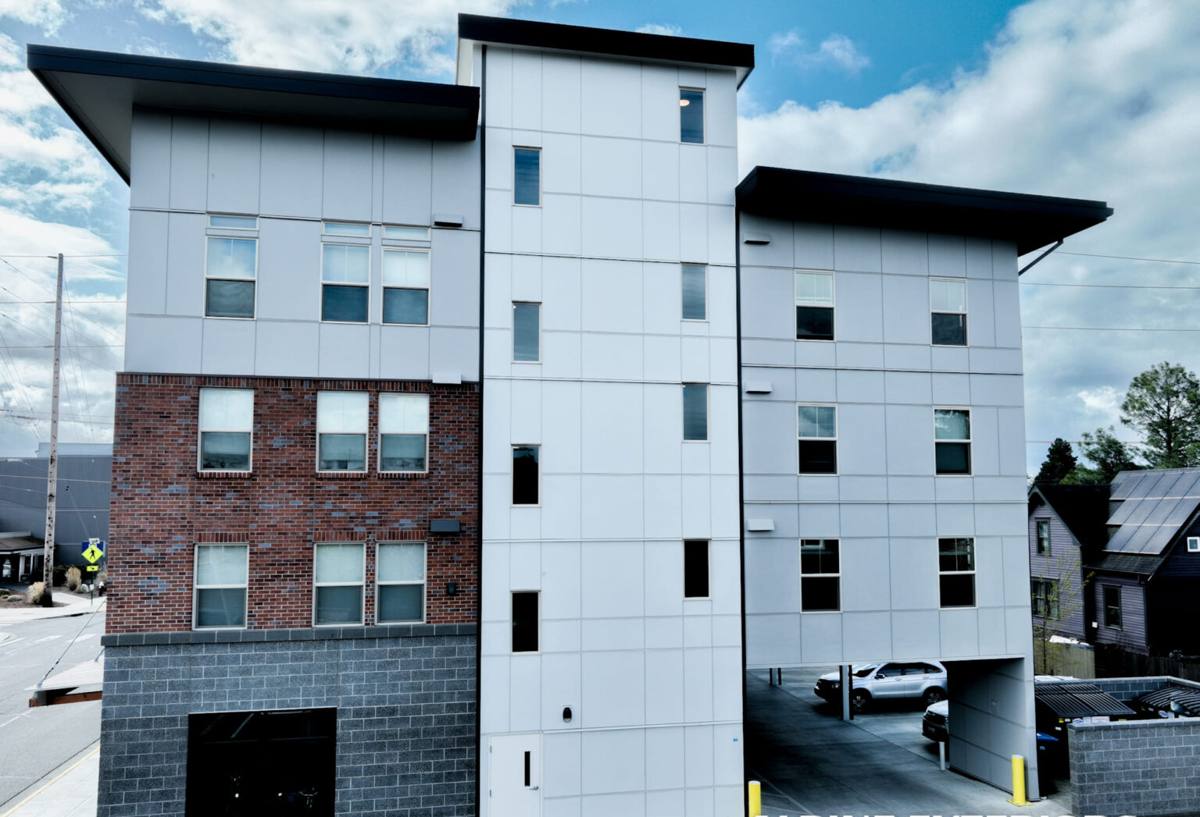
What Salt Air, Driving Rain, and Moss Season Actually Do to a Window
Every coastal contractor talks about "harsh weather," but on the San Juan Islands it's specific and cumulative. Understanding the mechanism helps explain why the installation details matter more here than in a drier inland climate.
Salt Air
Airborne salt settles on and around window components year-round, not just during storms. It accelerates corrosion on hardware, fasteners, and lesser-grade metal components, and it can degrade some finishes over time. This is why hardware quality and finish selection matter more on Shaw Island than they would forty miles inland.
Driving Rain
Wind off the water doesn't let rain fall straight down — it drives it sideways into wall assemblies, especially on west- and south-facing elevations. A window that's watertight in a calm rain can still leak under wind-driven conditions if the flashing and sill pan weren't detailed for it. This is one of the most common causes of hidden water intrusion we find behind older window installs.
Moss and Persistent Dampness
Shaded, tree-covered lots — common across Shaw Island — stay damp longer after every rain. Moss and algae growth around window trim and sills isn't just a cosmetic nuisance; it holds moisture against wood surfaces and finishes, extending the time materials stay wet and accelerating decay in anything that isn't properly protected or naturally decay-resistant.
What a Correct Window Installation Involves
A window is only as good as the assembly around it. Most window failures we get called out to fix on the islands aren't caused by a bad window — they're caused by a rushed or incomplete installation. A correct job includes:
- Removing the old window and inspecting the rough opening framing for hidden rot before anything new goes in
- Installing a properly sloped sill pan so any water that gets past the window drains outward, not into the wall
- Flashing integrated correctly with the home's water-resistive barrier (house wrap or building paper), lapped shingle-style so water always moves down and out
- Sealing and insulating the gap around the window frame without over-packing it, which can bow the frame and affect operation
- Setting the window level, plumb, and square so sashes operate smoothly and weatherstripping seals evenly
- Finish trim and caulking detailed to shed water away from seams, not trap it
Skip the sill pan or get the flashing lap backward, and a window can look fine for years while water quietly works its way into the wall framing behind it. On a shaded, damp lot, that hidden moisture has ideal conditions to cause real structural damage before anyone notices a problem from inside the house.
Choosing Window Materials for a Marine Climate
There's no single "best" window material — the right choice depends on the home's style, budget, and how exposed the window locations are to salt air and driving rain. Here's how the common options compare for island use:
| Material | Salt air performance | Maintenance | Notes for Shaw Island |
|---|---|---|---|
| Vinyl | Good — won't corrode | Low | Budget-friendly; quality varies widely by manufacturer, so frame stiffness and weatherstripping quality matter |
| Fiberglass | Excellent — very stable, low expansion | Low | Handles temperature swings and moisture well; strong long-term option for exposed elevations |
| Aluminum-clad wood | Good exterior, but hardware and cladding seams need attention | Moderate | Popular for the look of real wood inside with weather protection outside; cladding must be detailed to shed water |
| All-wood | Requires diligent upkeep in salt air | High | Beautiful in the right setting, but demands regular refinishing and isn't our default recommendation for directly exposed, wind-driven sides of a home |
We don't push one brand or material on every job. We size up each opening's exposure — is it sheltered by trees and a covered porch, or facing open water and prevailing wind — and recommend accordingly. A window on a protected north wall doesn't need the same spec as one facing the strait.
Our Process for Custom Window Projects on Shaw Island
Assessment First
We start with an on-site look at the existing windows and the wall assembly around them, not just a measurement for new glass. That includes checking for soft framing, past water staining, and how each elevation is exposed to wind and rain.
Custom Sizing and Ordering
Older island homes are rarely built to modern standard window sizes. We measure and order to the actual opening, or build out trim and framing to fit a standard size cleanly — whichever gets the best long-term result rather than the easiest install.
Scheduling Around Island Logistics
Shaw Island is ferry-served, with no bridge access, which means materials and crew time have to be planned around the ferry schedule rather than treated like a mainland job you can staff same-day. We batch material deliveries and plan crew days to minimize wasted trips, and we build weather windows into the schedule since exterior work here depends on dry stretches between systems coming off the strait.
Installation and Cleanup
Each window is set, flashed, insulated, and finished per the details above, with daily cleanup so a project in progress doesn't leave a home exposed overnight longer than necessary.
Signs Your Current Windows Are Already Failing
Because Shaw Island homes can sit unoccupied for stretches, window problems sometimes go longer before they're caught. Worth checking for on a walk-through:
- Soft or discolored wood trim around the window exterior
- Peeling or bubbling paint near the sill or corners
- Fogging or condensation between panes of double- or triple-glazed glass — a sign the seal has failed
- Drafts or noticeably cold spots near the window in winter
- Difficulty opening, closing, or locking a window that used to operate smoothly
- Moss or dark staining building up on sills or trim that stays damp for days after rain
- Visible daylight or gaps around the frame from outside
Any one of these on its own might be minor. Several together, especially on a wall that faces prevailing wind and rain, usually means it's time for a real assessment rather than a caulk-and-wait fix.
Cost Factors for Custom Window Projects
We won't quote a number without seeing the job, but the main variables that move a project's cost up or down are worth knowing going in:
| Factor | Why it matters |
|---|---|
| Number of openings | More windows spread fixed costs like scheduling and setup, but total material cost scales directly |
| Full-frame vs. insert replacement | Full-frame (tear-out to the rough opening) costs more but is often necessary when framing has moisture damage or the opening size is changing |
| Material and glazing package | Fiberglass and higher-performance glazing cost more upfront than basic vinyl but typically need less upkeep in this climate |
| Wall condition behind the window | Hidden rot found during removal adds repair scope that can't always be predicted before the wall is opened |
| Access and logistics | Second-story openings, tight sites, and ferry-dependent scheduling can add time compared to a straightforward mainland job |
The honest answer to "what will this cost" is almost always "it depends what we find when we open the wall." We'd rather give you a real number after a proper look than a low estimate that grows once the trim comes off.
Why a Crew That Already Works Shaw Island and the San Juans Matters
Working on a ferry-served island isn't the same as working in a typical service area, and it changes how a job should be planned. A crew that regularly works Orcas, Shaw, and the surrounding San Juan County islands already understands ferry scheduling, material staging, and how to plan a job so a delayed sailing doesn't leave a house with an open wall overnight. We also know what this specific climate does to different window products over time, not from a manufacturer's spec sheet, but from what we've seen holding up — and what hasn't — on homes exposed to this exact combination of salt air, wind-driven rain, and shaded, mossy dampness.
That local knowledge shapes real decisions: which elevations need the most robust flashing detail, which materials are worth the extra upfront cost on an exposed wall, and how to sequence a project so the home isn't left vulnerable between ferry trips.
Living With New Windows Afterward
Even a well-installed window benefits from a little seasonal attention in this climate. Rinsing salt residue off exterior surfaces during dry spells, keeping gutters and nearby vegetation clear so water and debris don't sit against sills, and checking caulking annually for cracks all go a long way toward getting the full lifespan out of a new installation. We're happy to walk you through a simple maintenance routine specific to your home's exposure once the work is done.
If your Shaw Island home has windows that are drafty, fogged, hard to operate, or simply original to a house that's been standing for decades, we'll come take an honest look. We offer free, no-pressure estimates — use the form below to get started.