 Orcas Island Siding
 Cascade Lake's Microclimate Is Tougher on Windows Than It Looks
Cascade Lake sits inland from Orcas Island's shoreline, tucked into forest cover that most waterfront properties don't have. That changes the maintenance math on windows in ways homeowners don't always expect. The tree canopy holds moisture against exterior walls longer after a storm, shade keeps siding and trim damp for extra hours or days at a time, and the surrounding conifers shed needles and debris into window tracks and weep holes all year. Add in the salt-laden air that reaches every corner of the island, plus the driving, sideways rain common to San Juan County winters, and you've got a combination that punishes any window with a weak seal, poor flashing, or the wrong frame material.
None of this means Cascade Lake homes need exotic solutions. It means the installation has to be done correctly the first time, with materials and details chosen for a wet, shaded, salt-exposed environment rather than a generic climate. That's the whole focus of this page — not windows in general, but what actually holds up around Cascade Lake.
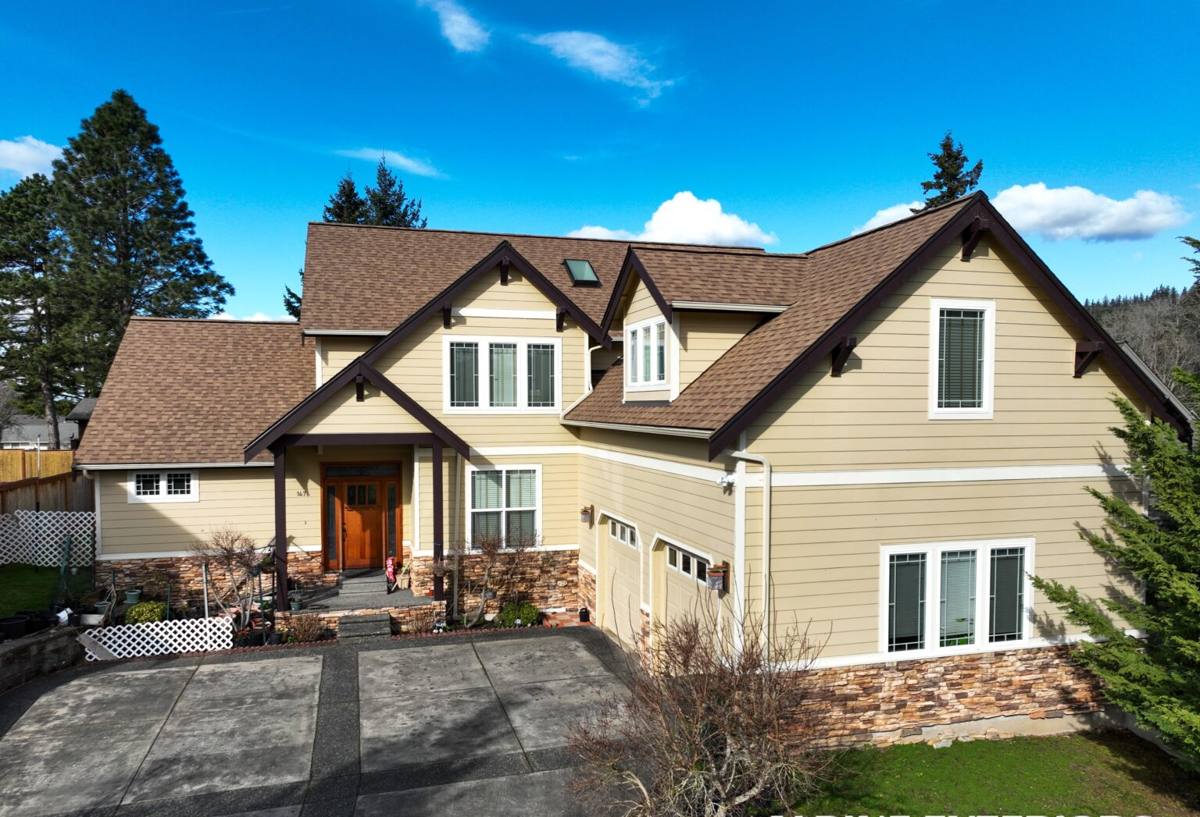
What "Correct" Window Installation Actually Involves
Most window failures we get called out to inspect aren't failures of the window itself — they're failures of the installation around it. A window is only as good as the flashing, sealing, and wall integration behind the trim. On a shaded, moisture-heavy lot like the ones around Cascade Lake, skipping a step that might get away with it in a drier climate will show up as rot or leaks within a few seasons.
The details that matter most here
- Sill pan flashing under every window opening, sloped to shed any water that gets past the glass and frame — not optional in a high-moisture setting
- Proper shingle-lap sequencing of house wrap and flashing tape so water is directed out and down, never trapped behind the siding
- Compatible sealants rated for exterior UV and moisture exposure, applied at the right points — not just a bead of caulk around the trim
- Backer rod and joint design that allows sealant to flex with seasonal wood and frame movement instead of cracking
- Insulation and air-sealing around the rough opening, so the gap between window and framing isn't a cold, damp void
Skip any one of these and the window can look fine from the outside for a year or two while moisture quietly works into the wall behind it. That's the pattern we see most often on older homes in shaded, forested settings — the window itself is often not the problem.
Choosing a Window Material for a Cascade Lake Property
There's no single "best" window for every home, but some materials are a clearly better fit for a shaded, damp, salt-air environment than others. Here's how the common options stack up for this specific setting.
| Material | Moisture & Rot Resistance | Salt Air Behavior | Maintenance |
|---|---|---|---|
| Vinyl | Won't rot; can trap condensation in frame corners if drainage is poor | Handles salt air well; no corrosion | Low — occasional cleaning |
| Fiberglass | Excellent; dimensionally stable in wet, shaded conditions | Very good; resists corrosion and UV fading | Low |
| Wood or wood-clad | Vulnerable if cladding or finish fails; shade slows drying | Finish can degrade faster near salt air | Higher — periodic refinishing |
| Aluminum-clad | Good on the exterior face; thermal bridging can cause interior condensation | Good with proper anodizing/finish | Moderate |
For most Cascade Lake homes, we lean toward vinyl or fiberglass frames with good drainage design, simply because the combination of shade, humidity, and salt air is unforgiving of anything that depends on a finish or coating staying perfect year after year. That's a professional judgment about maintenance burden and long-term performance, not a knock on any manufacturer — wood-clad windows can perform well on a sunny, well-drained lot; a damp, shaded one is a different equation.
Glass and condensation resistance
Double-pane, low-E glass is standard now and performs well here. On homes closer to the lake or in low-lying, poorly ventilated rooms, we'll sometimes recommend an upgraded low-E coating or argon fill specifically to cut down on interior condensation, which is a bigger nuisance in shaded, humid microclimates than in open, sunny spots on the island.
Signs Your Current Windows Are Losing the Fight
Because of the tree cover and moisture retention around Cascade Lake, window problems here tend to show up a bit differently than on an open, wind-exposed shoreline lot. Things we watch for on inspections in this area:
- Soft or discolored trim and casing, especially on the shaded side of the house
- Persistent condensation between panes (a sign the seal has failed on a double-pane unit)
- Moss or dark streaking building up on sills and lower trim faster than the rest of the exterior
- Drafts or a noticeable temperature difference near the window frame in winter
- Paint or finish failing unevenly around the window opening rather than across the whole wall
Any one of these is worth a look before it turns into a framing repair. Caught early, most of this is a window and flashing job. Caught late, it can mean opening up the wall.
Our Installation Process
The process itself isn't unusual — the discipline is in not skipping steps, especially the ones hidden behind the trim once the job is done.
- On-site assessment — we look at the existing window, the wall assembly behind it, and any signs of past moisture intrusion before quoting anything
- Careful removal of the old unit, checking the rough opening and sheathing for hidden rot or damage before installing anything new
- Repair of any compromised framing or sheathing we find — this gets flagged and priced honestly rather than covered up
- Sill pan flashing and house wrap integration, sequenced correctly so water sheds outward at every layer
- Setting and shimming the new window level, plumb, and square, with proper fastening for our wind and weather exposure
- Insulating the gap around the frame and sealing the interior and exterior per the manufacturer's installation instructions
- Final trim, sealant, and cleanup, with a walkthrough so you know exactly what was done and why
Cost Factors for Window Installation Around Cascade Lake
Every project is different, but the same handful of factors drive most of the cost variation we see on jobs in this area.
| Factor | How It Affects Cost |
|---|---|
| Number and size of windows | Larger jobs bring down the per-window cost of mobilization and site setup |
| Existing damage found on removal | Rotted framing or sheathing behind an old window adds repair time before the new one goes in |
| Window material and glass package | Fiberglass and upgraded low-E/argon glass cost more up front, less in long-term maintenance |
| Access and site logistics | Second-story openings, tight lake-side lots, or ferry-dependent material delivery timing all affect scheduling and labor |
| Trim and finish work | Matching existing exterior trim profiles or repainting disturbed areas adds finish labor |
We won't quote a number without seeing the actual openings and the condition of the wall behind them — anyone who does is guessing, and on a shaded, moisture-prone lot that guess can be wrong in either direction.
Maintenance That Actually Matters Here
A well-installed window on a Cascade Lake property should need very little attention, but the local conditions do call for a short seasonal routine:
- Clear needles, moss, and debris from sills and tracks a couple of times a year, especially after fall leaf and needle drop
- Check exterior sealant beads annually for cracking or separation, particularly on the shaded side of the house
- Rinse salt residue off frames and glass periodically, the same as you would with siding or trim
- Watch for interior condensation buildup in winter — persistent fogging between panes means the seal has failed and the unit needs attention, not just wiping down
- Keep gutters and downspouts clear so roof runoff isn't sheeting down across window heads
Why a Crew That Already Works Cascade Lake Matters
Window installation isn't a different trade depending on the neighborhood, but the judgment calls change with the site. A crew that's already worked this part of Orcas Island knows which wall assemblies around Cascade Lake tend to hold moisture, which window materials hold up under heavy shade and salt air over the long run, and how to sequence a job around ferry-dependent material deliveries so a window opening isn't sitting exposed to San Juan County weather any longer than it has to be. That local familiarity shows up in small decisions — extra flashing detail on a north-facing wall, a different sealant choice on a shaded elevation — that a crew seeing the island for the first time might not think to make.
It also matters for follow-up. If a sealant joint needs a look in a year or a warranty question comes up, you're calling a crew that's still working in the area and stands behind the job, not chasing down a company that came over for one project and never came back.
If you're weighing a window project at Cascade Lake — whether it's one failing unit or a full replacement — we're happy to come take an honest look and put together a free, no-pressure estimate. No obligation, just a straight assessment of what your home actually needs.