 Orcas Island Siding
 Why Eastsound Roofs Wear Differently Than Roofs Inland
A roof in Eastsound doesn't fail the same way a roof in Spokane or even Seattle does. Out here on Orcas Island, in the heart of San Juan County, the wear pattern is shaped by three things working together year-round: salt-laden air off the water, long stretches of driving rain that come in sideways off Puget Sound and the Strait, and a moss season that can run eight or nine months out of the year on north-facing slopes and shaded roof planes. None of these alone is unusual for Western Washington. Together, in a marine environment like this one, they add up faster than most homeowners expect.
Salt air accelerates corrosion on exposed metal — flashing, nail heads, vent boots, gutter hardware. Driving rain finds every gap in a shingle field that was installed a little too loose or with the wrong nailing pattern, and it doesn't take a hurricane to do it; a sustained southwest blow off the water is enough. And moss doesn't just sit on the surface looking bad. It holds moisture against the shingle mat, lifts tabs as it grows, and works its way toward fasteners and underlayment seams over time. A shingle roof built and installed with these conditions in mind will outlast one that wasn't, sometimes by a decade or more.
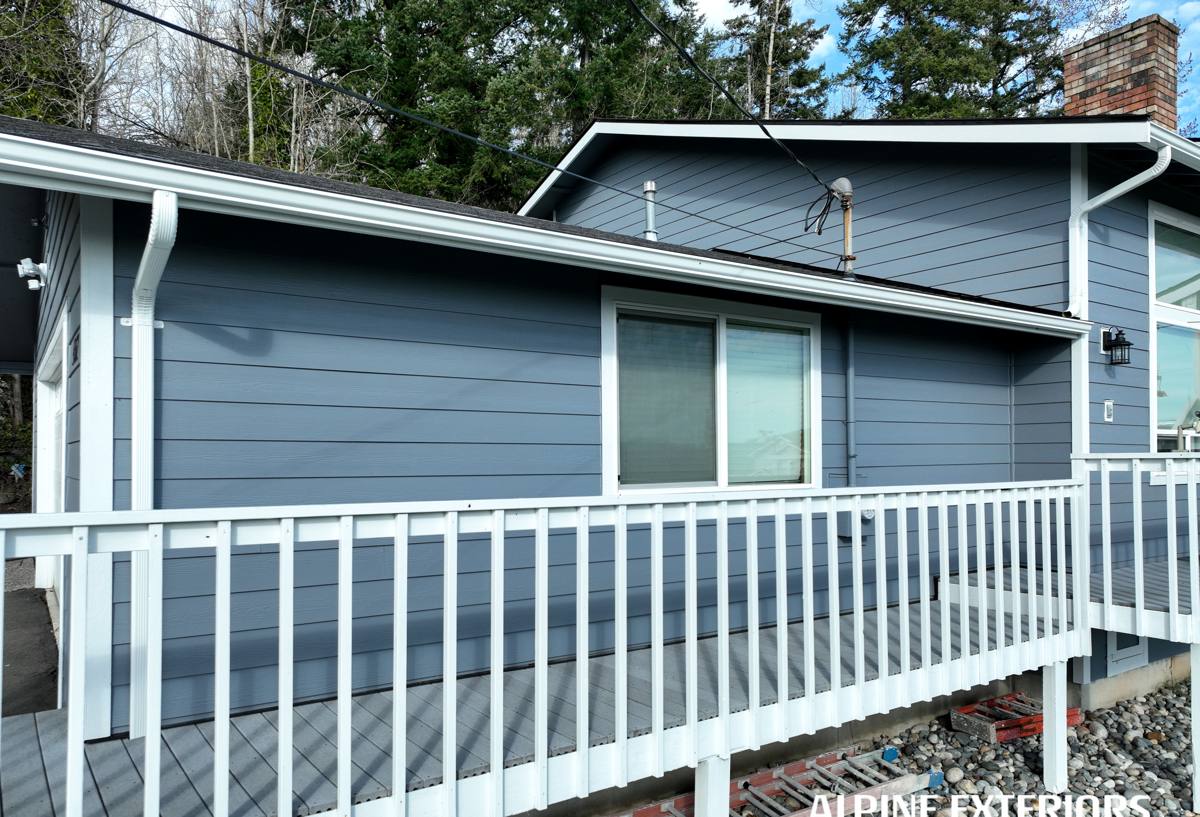
What a Correct Asphalt Shingle Job Looks Like Out Here
Asphalt shingle roofing is still the right choice for most homes on Orcas Island — it's cost-effective, well understood, and when installed correctly it handles this climate fine. The word "correctly" is doing a lot of work in that sentence, though. A roof that looks the same from the street can perform very differently depending on what's underneath the shingles and how the details were handled.
The Layers That Actually Matter
The shingles themselves get the attention, but the underlayment, flashing, and ventilation are what actually determine how the roof holds up to sideways rain and a long wet season. A quality synthetic or self-adhered underlayment, properly lapped and sealed at every penetration, is your backup plan for the water that gets past the shingles — and in a driving-rain climate, some water does get past the shingles from time to time. Flashing at valleys, chimneys, skylights, and wall intersections needs to be sized and lapped correctly, not just caulked and hoped for. Caulk is a maintenance item, not a waterproofing strategy.
Nailing and Wind Exposure
Orcas Island sees real wind events, especially on exposed and waterfront lots. Shingles installed with the manufacturer's high-wind nailing pattern and the correct number of fasteners per shingle hold up considerably better than a standard six-nail pattern rushed through on a production schedule. This is one of those details that costs almost nothing extra at install time and matters enormously five years later during the first real windstorm.
Signs Your Eastsound Roof Needs a Closer Look
Most roof failures in this area don't happen all at once — they build slowly, often starting on the north or shaded slopes where moss gets a foothold first. Homeowners who catch problems early save significantly on repair costs versus waiting for an interior leak to show up.
- Moss or thick algae streaking on north-facing or shaded roof planes
- Granules collecting in gutters or at downspout outlets
- Shingle tabs that look curled, cupped, or lifted at the edges
- Rust staining or visible corrosion at flashing, vent boots, or exposed nail heads
- Soft or spongy spots when walked, especially near valleys or chimneys
- Daylight visible through the roof deck from inside the attic
- Water stains on interior ceilings, especially after a heavy southwest storm
Any one of these on its own isn't necessarily an emergency. Several of them together, or moss that's been left to grow for a few seasons, usually means it's time for a real inspection rather than another patch job.
Our Process for an Eastsound Asphalt Shingle Roof
Assessment First
We start with an honest look at the existing roof — deck condition, current moss and algae growth, flashing condition, and how the roof has been ventilated. Not every roof with moss needs full replacement. Sometimes a roof with a sound deck and reasonable shingle life left just needs the moss properly removed, treated, and the underlying cause addressed rather than torn off.
Tear-Off and Deck Inspection
When replacement is the right call, we remove the old roofing down to the deck and inspect the sheathing itself. Years of trapped moisture under moss or failed underlayment can soften plywood or lead to rot that isn't visible from above. Any compromised decking gets replaced before anything new goes down — installing new shingles over a soft deck is a short-term fix that costs more to undo later.
Underlayment, Flashing, and Ventilation
We install underlayment rated for this climate, with ice-and-water shield style protection at valleys, eaves, and other vulnerable transitions. Flashing is replaced or upgraded where it's undersized or corroded, and we check that intake and exhaust ventilation are balanced — poor attic ventilation is one of the quieter reasons shingle roofs fail early in wet, moss-prone environments, since trapped moisture works against the roof from underneath.
Shingle Installation
Shingles go down with the wind-rated nailing pattern appropriate for an island property, with extra attention at rakes, ridges, and any high-exposure sections of the roof. We follow manufacturer specifications closely, since that's what keeps warranty coverage intact if you ever need it.
Final Walkthrough
Before we consider the job finished, we walk the roof and the property with you, cover what maintenance (if any) makes sense going forward, and make sure gutters and downspouts are clear and functioning — a clogged gutter system undermines even a well-installed roof.
Choosing a Shingle That Fits This Climate
Not every asphalt shingle product is a good match for a marine, moss-prone environment. The table below outlines the general trade-offs homeowners weigh when choosing between common options for a home in this area.
| Shingle Type | Moss/Algae Resistance | Wind Performance | Relative Cost |
|---|---|---|---|
| Standard 3-tab | Lower — no built-in algae resistance | Adequate with proper nailing | Lowest |
| Architectural / laminate | Moderate; heavier mat sheds debris better | Good, especially with high-wind rated lines | Mid-range |
| Algae-resistant (copper or zinc granule) | Best available for this climate | Good to excellent depending on line | Mid to higher |
For most Eastsound homes, especially those with shaded roof planes or tree cover, the modest upcharge for an algae-resistant shingle line pays for itself in reduced moss pressure and fewer maintenance visits over the life of the roof. It's not a requirement, but it's worth discussing during your estimate.
Moss Isn't Just Cosmetic — It's a Maintenance Issue
San Juan County's combination of shade, moisture, and mild temperatures is close to ideal moss habitat, and Eastsound is no exception. Moss doesn't damage a roof the way people sometimes assume — it's not that the plant itself eats through shingles — but it holds water against the shingle surface for extended periods, which accelerates granule loss and, over years, can work its way under tab edges and lift them. On a correctly installed and ventilated roof, moss growth can be slowed considerably and managed with periodic gentle cleaning rather than aggressive pressure washing, which does more harm than good to shingle granules. We can talk through a realistic moss maintenance schedule as part of your estimate, based on your roof's exposure and tree cover.
Ventilation: The Detail Most Homeowners Never See
Attic ventilation doesn't get much attention because it's invisible from the ground, but in a climate with this much moisture and this long a wet season, it's one of the bigger factors in how long a shingle roof actually lasts. Balanced intake at the eaves and exhaust at the ridge keeps moist air moving out of the attic instead of condensing on the underside of the deck, where it can encourage rot and shorten the life of both the sheathing and the shingles above it. If your current roof shows signs of poor ventilation — musty attic smell, visible moisture staining on the underside of the deck, or ice/frost buildup in winter — it's worth addressing as part of any reroof rather than treating it as a separate problem later.
Why Hiring a Crew That Works This Island Regularly Matters
Roofing crews that mostly work inland or in drier parts of the state don't always build in the margin this climate calls for — the extra fastener, the wider underlayment lap, the flashing upgrade at a valley that's going to see more water than a typical mainland roof. A crew that works Orcas Island and the surrounding San Juan Islands regularly has already seen what fails here and what holds up, and builds that experience into every job rather than treating this as a standard install. Logistics matter too — ferry schedules affect material delivery and crew scheduling, and a contractor who already accounts for that in their planning is less likely to leave your project stalled mid-tear-off waiting on a materials run.
Getting the Most Out of Your Roof After Installation
A well-installed asphalt shingle roof in Eastsound still benefits from a little periodic attention:
- Clear gutters and downspouts at least twice a year, more often under tree cover
- Have moss growth addressed gently before it becomes established, rather than after
- Check flashing and vent boots every couple of years for early corrosion signs
- Walk the attic occasionally for moisture or ventilation issues rather than waiting for a visible leak
If you're weighing a repair, a partial reroof, or a full replacement on your Eastsound home, we're happy to take a straightforward look and give you an honest read on where your roof actually stands. There's no pressure and no obligation — just fill out the form below for a free estimate.