 Orcas Island Siding
 Metal Roofing Built for Obstruction Pass Conditions
Homes around Obstruction Pass sit in one of the more demanding microclimates on Orcas Island. The combination of salt-laden air off the water, wind-driven rain that finds every weak seam, and heavy tree canopy that keeps roofs shaded and damp for weeks at a time puts real wear on a roof year after year. Asphalt shingles in this setting tend to show granule loss, algae staining, and moss intrusion faster than they would in a drier, more open part of San Juan County. Metal roofing holds up differently here, which is why we install more of it in this neighborhood than almost anywhere else we work.
This page is specifically about metal roofing for Obstruction Pass properties, not a general overview of every roofing option we offer. If you own or manage a home in this area and you're weighing a metal roof, here's what actually matters for your specific site.
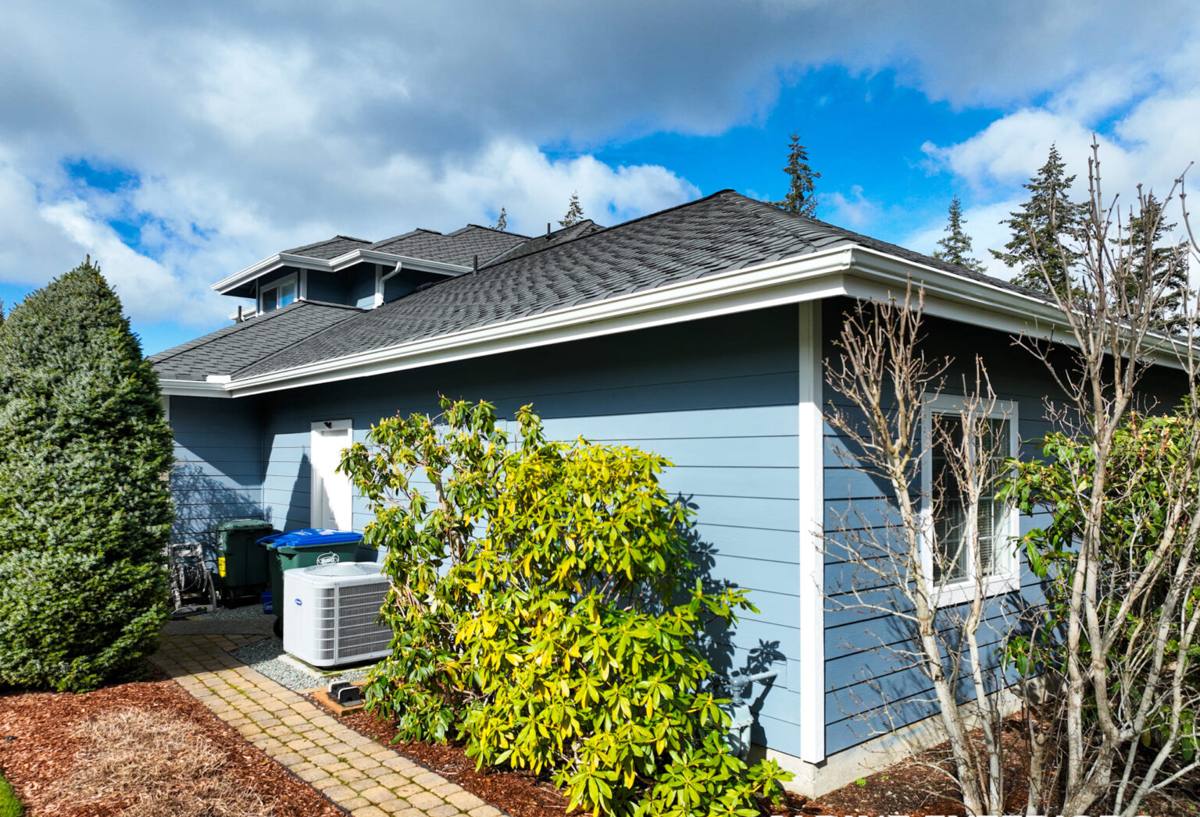
What the Local Climate Does to a Roof
San Juan County's marine climate is milder than the mainland's, but that doesn't mean it's easy on roofing materials. A few conditions specific to Obstruction Pass and the surrounding shoreline properties deserve attention:
Salt Air and Corrosion
Proximity to saltwater accelerates corrosion on any exposed metal, including fasteners, flashing, and gutters. Not all metal roofing products are equally resistant to this. Fastener quality and coating specification matter more here than they would on an inland roof, and it's a detail that gets skipped on cheaper installs.
Driving Rain
Storms coming across the water can push rain sideways, which means water finds its way under poorly lapped panels, undersized flashing, or fastener penetrations that weren't sealed correctly. A roof that would perform fine in a calm, straight-down rain can leak in these conditions if the details weren't built for wind-driven water.
Moss and Shade
Heavy tree cover keeps large sections of many roofs in Obstruction Pass shaded most of the day. Combined with the region's damp winters, that shade extends the "moss season" well beyond what homes in more open areas deal with. Moss holds moisture against a roofing surface, and on organic materials like wood shake or asphalt, that moisture retention shortens the material's life. Metal doesn't feed moss growth the way organic roofing does, and its smooth, sloped surface sheds debris and moisture faster.
Why Metal Roofing Fits This Neighborhood
Metal roofing isn't automatically the right choice for every home, but for Obstruction Pass specifically, several of its practical advantages line up well with the local conditions:
- Sheds moisture quickly rather than holding it against the surface, which matters under tree canopy
- Doesn't provide the organic material moss and algae need to establish and spread
- Handles wind-driven rain well when panels, seams, and flashing are installed correctly
- Resists the freeze-thaw and wet-dry cycling common in shaded, damp areas
- Long service life reduces how often a roof needs to be re-done on a property that may only get seasonal attention
None of this means metal roofing is maintenance-free. It still needs periodic inspection, debris clearing, and fastener checks, particularly on a coastal, tree-covered lot. But the baseline durability is a genuine advantage for this specific location.
Choosing a Metal Roofing System
Not all metal roofing is the same, and the differences matter more in a salt-air, high-rain environment than they would somewhere drier and more sheltered. Here's how the common options compare for a property like yours:
| System | Best For | Trade-Offs |
|---|---|---|
| Standing seam (concealed fastener) | Waterfront and heavily exposed roofs where wind-driven rain is a real concern | Higher material and labor cost; requires an experienced installer to get seams and flashing right |
| Exposed fastener panel | Outbuildings, shops, and lower-budget applications | Fasteners penetrate the panel face, which means more maintenance checking gaskets and seals over time, especially in salt air |
| Metal shingles/shakes | Homes wanting a traditional roofline look with metal's durability | More seams than standing seam, so detailing at valleys and penetrations needs extra care |
For most Obstruction Pass homes we work on, especially those with direct water exposure or significant tree cover, standing seam is our default recommendation. The concealed fastener design removes the most common source of long-term leaks in coastal metal roofing: fastener backout and seal failure at exposed screw heads. We'll still walk you through all three if your home, budget, or aesthetic goals point a different direction.
What a Correct Installation Actually Involves
A metal roof is only as good as what's underneath it and how the details are handled. This is where a lot of the difference between a roof that lasts decades and one that leaks within a few years comes down to installation, not the panel itself.
Underlayment
We use a high-temperature synthetic or self-adhered underlayment rated for the moisture load this area sees, not a basic felt product. In wind-driven rain conditions, underlayment is the backup layer that keeps water out if wind ever pushes moisture past the panel seams.
Fastener and Flashing Selection
In a salt-air environment, fastener and flashing material has to be matched to the panel metal to avoid galvanic corrosion, where dissimilar metals in contact accelerate rust at the contact point. This is a detail that's easy to get wrong if a crew doesn't regularly work coastal properties.
Ventilation
Proper ridge and soffit ventilation keeps moisture from building up in the attic space, which matters in a climate where the roof deck can stay cool and damp under shade for extended periods. Poor ventilation can lead to condensation issues on the underside of the deck even when the roof surface itself is performing well.
Valleys, Penetrations, and Transitions
Chimneys, skylights, vents, and valley lines are where the majority of roof leaks originate, on any roofing material. Correct flashing detail at every one of these points is non-negotiable, and it's the part of the job that separates a rushed install from one built to last.
Our Process, Start to Finish
1. On-Site Assessment
We start with a walk of the roof and attic space, noting slope, tree exposure, existing ventilation, and any signs of past moisture problems. For Obstruction Pass properties, we also look closely at how close the home sits to the water and how much of the roof stays shaded through the day, since both affect our material and detailing recommendations.
2. Honest Estimate
You get a written estimate that breaks out material, labor, and any additional work like ventilation upgrades or deck repair, so there are no surprises once the project starts.
3. Tear-Off and Deck Inspection
Old roofing comes off and we inspect the deck underneath. Any soft, rotted, or moisture-damaged sheathing gets flagged and addressed before new roofing goes down. Installing a new roof over a compromised deck just hides a problem that will resurface.
4. Underlayment and Panel Installation
Underlayment, flashing, and panels go in following manufacturer specifications and the detailing standards described above, with particular attention to seams, valleys, and penetrations.
5. Final Walkthrough
We walk the finished roof with you, confirm everything meets the standard we set at the estimate, and answer any questions about care going forward.
What Metal Roofing Costs and What Drives the Price
We don't publish fixed prices because every roof is different, but the main factors that move the number for an Obstruction Pass project are worth understanding upfront:
| Factor | Why It Matters |
|---|---|
| Panel system chosen | Standing seam runs higher than exposed fastener panel due to material and labor complexity |
| Roof access and site conditions | Tree cover, slope, and water/ferry-dependent logistics can add time and equipment needs |
| Deck condition | Rot or moisture damage found during tear-off adds repair costs before new roofing goes on |
| Ventilation upgrades | Older homes often need added ridge or soffit venting to perform correctly under a new roof |
| Roof complexity | Valleys, dormers, chimneys, and skylights all add flashing work and time |
Broadly, expect metal roofing to cost more upfront than asphalt shingles, with the gap narrowing considerably over the life of the roof given metal's longevity and lower repair frequency in this climate. We'll give you real numbers specific to your roof during the estimate, not a ballpark that doesn't hold up once we're on-site.
Keeping a Metal Roof Performing in This Environment
Metal roofing needs less maintenance than shingle or shake, but "less" isn't "none," especially under tree cover near the water. A simple annual check covers most of it:
- Clear needles, leaves, and debris from valleys and around penetrations before fall rains set in
- Check gutters and downspouts for clogs that can back water up under the roof edge
- Look for any early moss or algae growth on shaded slopes and remove it before it spreads
- Inspect exposed fasteners (if using an exposed-fastener system) for signs of backout or corrosion
- Trim overhanging branches to reduce shading and debris accumulation
- Watch for any staining on interior ceilings that could indicate a slow leak
Why It Matters That We Already Work in Obstruction Pass
A roofing crew that hasn't worked this specific stretch of Orcas Island will make assumptions based on general Pacific Northwest conditions, and those assumptions don't always hold up here. Obstruction Pass properties deal with a tighter combination of salt exposure, heavy shade, and storm-driven rain than a lot of the county sees. Knowing which fastener coatings hold up, which panel systems handle the wind direction off the water, and where moss tends to establish first on a shaded roofline comes from working these specific conditions repeatedly, not from a general roofing background.
We're licensed to work throughout San Juan County, and Orcas Island properties, including Obstruction Pass, are a regular part of our work. That familiarity shows up in the details: how we detail flashing for wind-driven rain, which fastener specs we use near saltwater, and how we plan ventilation for roofs that stay shaded most of the day.
Signs Your Roof May Need Attention
If you're not sure whether your current roof needs a closer look, a few signs are worth acting on before they become bigger problems:
- Moss or algae buildup on shaded slopes, particularly in valleys
- Granule loss or bare patches on asphalt shingles
- Rusted or lifting flashing around chimneys, vents, or skylights
- Staining or sagging on interior ceilings after heavy rain
- Visible gaps or curling at shingle or panel edges
- Gutters that fill with debris faster than they used to, suggesting overhanging growth or a shedding roof surface
If your roof is showing any of these, or if you're simply planning ahead for a replacement, we're happy to take a look and give you a straightforward assessment of your options.
If you'd like a closer look at your specific roof, we offer free, no-pressure estimates for Obstruction Pass homeowners. Fill out the form below and we'll get in touch to schedule a time that works for you.